

 English
 русский
 Français
 Español
 عربى
عربىCan Combined Doors Improve Furniture Function and Space Use
Furniture design often has to solve a basic problem: how to keep storage practical while making doors feel easy to use. In cabinets, wardrobes, and other built-in storage units, the way panels move can affect access, comfort, and the overall look of the space. A coordinated door setup can reduce awkward opening behavior and help the front surface stay visually aligned. In that context, Combined Doors are used as a structural approach that links movement across more than one panel. The result is a door layout that feels more connected, especially in furniture pieces where space, alignment, and daily use all matter at the same time.
What are Combined Doors in modern furniture systems and how do they actually work
Combined Doors are a linked door arrangement in which two or more panels move together through a shared opening logic. Instead of each panel behaving on its own, one movement triggers the next, so the full set works as a coordinated unit. This is useful when a furniture piece needs a wider opening feel without turning the front into a collection of separate actions.
In practical use, the structure usually depends on connection points that transfer motion from one panel to another. When one panel moves, the second follows through the same path or a related path. That shared action helps the doors close in a more even way and keeps the front surface visually balanced when shut. For homeowners, the main benefit is not complexity, but a cleaner and more predictable opening experience.
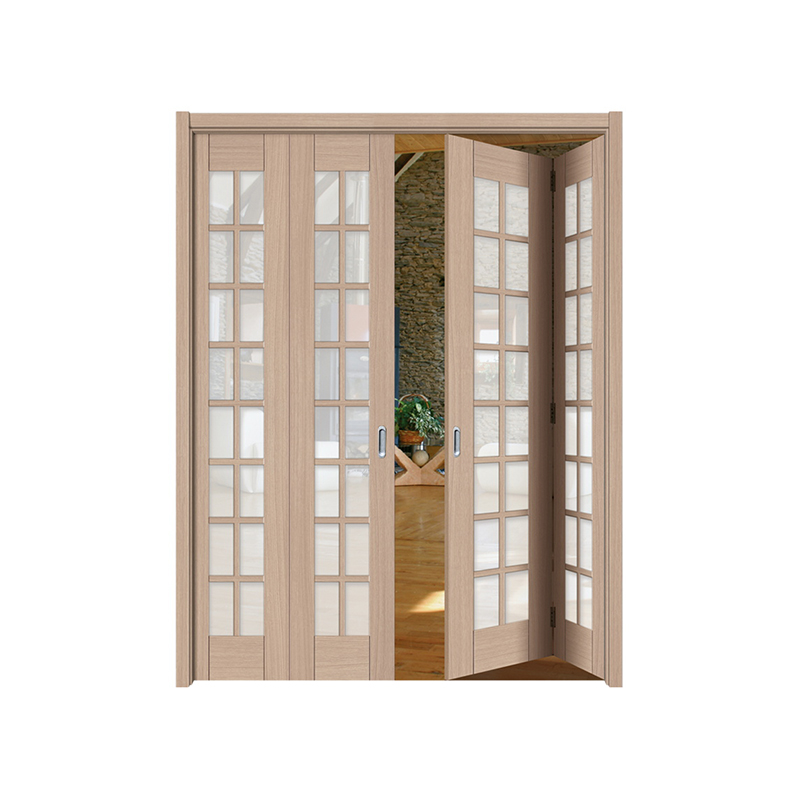
How Combined Doors coordinate movement between panels in cabinet and wardrobe design
The way panel movement is coordinated depends on how the linked parts are arranged inside the cabinet or wardrobe. In a typical setup, one panel serves as the starting point, while the other responds through a connected movement path. This makes the opening action feel connected rather than separate.
In furniture design, that coordination matters because it can affect both handling and appearance. If the movement is not balanced, one side may appear slightly ahead of the other, which can create uneven gaps or uneven closing pressure. When the linkage is set correctly, the panels move in a controlled way and keep a cleaner edge line.
| Door behavior | Separate panels | Linked panel setup |
|---|---|---|
| Opening action | Each panel moves on its own | Panels move in relation to each other |
| Closing feel | May vary by panel | More coordinated movement |
| Visual result | Gaps may differ slightly | Front line appears more even |
| Daily use | Requires separate handling | Feels more connected |
This kind of movement is often chosen in wardrobes and cabinet fronts where the user expects the doors to feel related rather than independent.
Why Combined Doors are used in space saving furniture layouts for kitchens and storage areas
Space is one of the main reasons this kind of door layout appears in furniture planning. In kitchens, storage walls, and compact rooms, the opening path of a door can interfere with nearby furniture, appliances, or walking space. A coordinated door layout can reduce this kind of conflict by keeping the opening movement more organized.
In a narrow room, multiple single panels may create separate swing areas that overlap with each other. That can make access less comfortable and reduce how efficiently the surrounding area is used. A linked panel arrangement helps simplify that movement, so the door system feels easier to manage in smaller spaces.
This is especially relevant in storage areas where front access needs to stay clear. A coordinated opening path can make the layout feel less crowded, while still allowing access to the inside of the cabinet or wardrobe. In that sense, the value of Combined Doors is tied to spatial behavior as much as visual design.
Which structural components inside Combined Doors determine long term stability and alignment
Long term performance depends on how the internal parts carry weight and guide movement. If the structure is uneven, the panels may lose alignment over time, and the closing line may begin to shift. That is why the internal build matters as much as the outer appearance.
Several parts influence stability in a direct way. The connection points need to stay firm. The supporting hardware must hold the panel weight without drifting. The edge control area also needs to keep the panels sitting in the right position when closed. If these parts work together properly, the doors are less likely to feel loose or uneven during regular use.
Some factors matter more than others:
- The strength of the linking points
- The balance of weight across the panels
- The firmness of the support hardware
- The consistency of the closing position
A well arranged structure helps the door set stay aligned and lowers the chance of visible shifts in the front line. That matters in daily use because even small changes in alignment can affect both appearance and handling.
What installation details are important when setting up Combined Door systems in custom furniture
Installation is one of the stages that directly affects how a linked door system performs in daily use. Even when the structure design is consistent, small differences during assembly can influence whether panels move in a coordinated way or feel slightly out of sync. In custom furniture work, this step is often handled with attention to positioning rather than force adjustment after fixing.
A few practical points usually determine the result.
- The mounting positions need to stay consistent across both panels
- The base frame should remain level so movement is not biased to one side
- Connection points should be secured without tension that shifts alignment
When these conditions are met, the panels tend to follow a more stable movement path, and the opening feel stays closer to the intended design.
How to maintain Combined Doors to reduce misalignment and improve long term performance
With regular use, any linked door system can slowly change in alignment. This does not happen suddenly, but gradually through repeated opening and closing. Maintenance is mainly about noticing small changes early, before they affect overall movement.
In many cases, checking is more important than adjustment. If the gap between panels begins to feel uneven or the closing line shifts slightly, minor correction can help restore balance. Lubrication of moving points and light tightening of connection areas are also commonly used approaches, depending on the structure.
The goal is not to change the system, but to keep its movement behavior consistent over time.
Where Combined Doors fit well in modular furniture design and flexible home layouts
In modular furniture systems, flexibility is often more important than fixed structure. Panels may be combined, separated, or rearranged depending on room layout. In this kind of environment, linked door systems can help maintain a consistent opening behavior even when cabinet units change position.
Typical usage areas include wardrobes, storage walls, and integrated cabinet setups where multiple sections sit in a continuous line. In these spaces, the visual surface is as important as access function, so panel coordination becomes part of the overall design logic.
There are two common application patterns worth noting:
- Continuous wall storage where doors align across multiple units
- Independent cabinet modules that still share similar opening behavior
Both approaches rely on keeping panel movement predictable rather than complex.
How Combined Doors influence long term usability across different furniture layouts
Long term use depends less on initial appearance and more on how the system behaves after repeated cycles. When panels share movement, the distribution of force across connection points becomes a key factor. If the load remains balanced, the opening and closing feel tends to stay stable for longer periods.
Different layouts place different expectations on the system. Wide cabinet fronts often require more attention to alignment across larger surfaces, while narrower storage units focus more on smoothness and ease of operation. The same structure can feel different depending on how it is applied.
| Layout type | Movement behavior | Usage focus |
|---|---|---|
| Wide cabinet surface | Shared motion across larger area | Visual alignment consistency |
| Narrow storage unit | Short travel movement | Ease of daily access |
| Modular wall system | Repeated panel coordination | Uniform behavior across sections |
| Built in wardrobe | Frequent use cycles | Stable opening feel |
Across these layouts, the main concern is not complexity, but whether the movement remains predictable in everyday conditions.
In manufacturing environments where cabinet systems are developed with attention to alignment and movement behavior, linked panel structures such as Combined Doors are often integrated into broader furniture planning. In production contexts similar to those associated with Zhejiang Kings Home Decor Co., Ltd., the focus is typically placed on keeping panel coordination consistent across different cabinet forms while maintaining a stable installation approach.
Interested in cooperation or have questions?


 +86-13857003056
 No. 27 Lianhuashan Avenue, Jiangshan Economic Development, Jiangshan, Quzhou, Zhejiang, China
Copyright © Zhejiang Kings Home Decor Co., Ltd. All Rights Reserved.

Interior Wood Door Manufacturer