

 English
 русский
 Français
 Español
 عربى
عربىComposite Door Design and Material Structure Explained
A Composite Door is built using a combination of materials rather than a single solid material. This layered structure is designed to balance strength, appearance, and everyday usability. In recent years, it has become a common option in both residential and commercial building projects where performance and appearance are both considered.
Material Composition and Internal Structure
The structure of a Composite Door typically includes multiple layers. These may involve a solid timber core, insulating foam, and external skins made from materials such as glass-reinforced plastic (GRP) or engineered wood.
Each layer serves a different function. The internal core provides structural stability, while the outer layers help protect against weather exposure and surface wear. This combination allows the Composite Door to maintain shape while handling regular use.
Resistance to Weather and Environmental Changes
One of the practical reasons builders choose a Composite Door is its ability to handle changing weather conditions. Temperature shifts, humidity, and rain can affect traditional materials, but the layered design helps reduce these effects.
The external surface acts as a protective barrier, while the internal structure helps reduce movement caused by moisture or heat. This makes the Composite Door suitable for entrances exposed to outdoor environments.
In areas with frequent seasonal changes, this stability can help maintain door alignment over time.
Design Options and Visual Styles
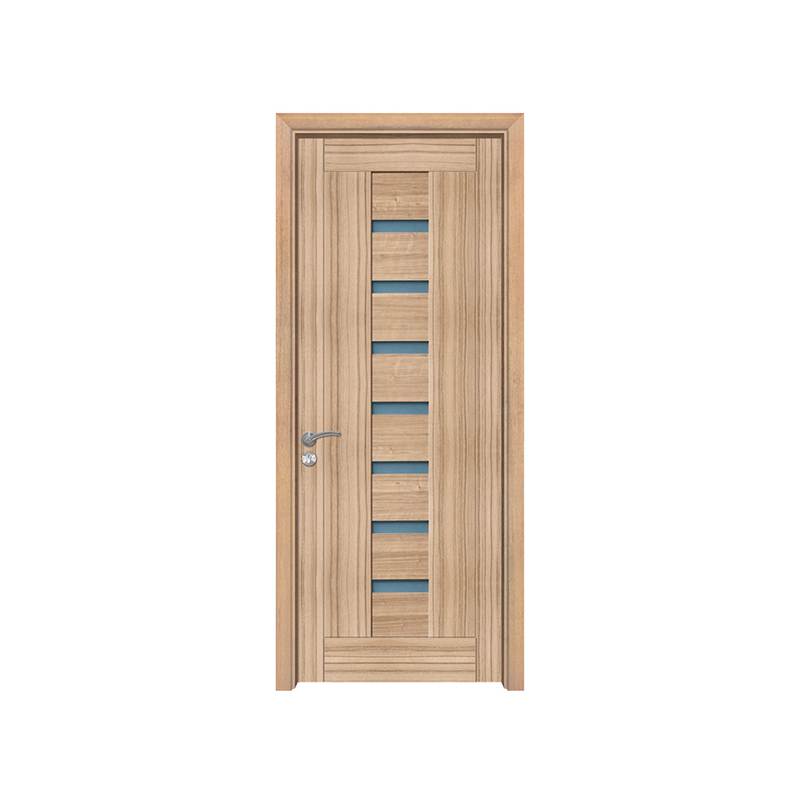
A Composite Door is available in a wide range of styles. Some designs imitate the appearance of traditional timber doors, while others use more modern and simplified finishes.
Color choices, glazing options, and panel layouts allow flexibility in design. This makes it easier to match different architectural styles, whether for new builds or renovation projects.
Manufacturers often provide standard models as well as customized options, allowing users to select according to project needs.
Installation and Everyday Use
Installation of a Composite Door generally follows standard door frame procedures, but attention is given to alignment and sealing. Proper fitting is important to ensure smooth operation and reduce air or water gaps.
In daily use, the door is designed to handle frequent opening and closing without significant wear. The surface coating also helps reduce scratches and fading over time.
Because of its structure, the Composite Door requires less frequent adjustments compared to some traditional door types, though basic maintenance such as cleaning and hardware checks is still recommended.
Security and Functional Considerations
Security is another factor considered in the design of a Composite Door. The internal structure is often reinforced, and locking systems can be integrated depending on project requirements.
Multi-point locking systems are commonly used to improve door stability when closed. While the door is not defined by a single feature, its layered build contributes to a more secure overall structure.
These characteristics make it suitable for both private homes and shared building entrances.
Application in Different Building Types
A Composite Door is used in a variety of environments. In residential buildings, it is often installed as a front or back entrance door. In commercial spaces, it may be used in office entrances or internal access points where durability and appearance both matter.
Its adaptability allows it to fit into different design plans without requiring major structural changes to the building.
A Composite Door combines multiple materials to create a balanced solution for modern building needs. Its layered structure, design flexibility, and stable performance under different conditions make it a practical option for a wide range of applications. By combining visual variety with functional construction, it continues to be used across many types of projects without unnecessary complexity.
Interested in cooperation or have questions?


 +86-13857003056
 No. 27 Lianhuashan Avenue, Jiangshan Economic Development, Jiangshan, Quzhou, Zhejiang, China
Copyright © Zhejiang Kings Home Decor Co., Ltd. All Rights Reserved.

Interior Wood Door Manufacturer