

 English
 русский
 Français
 Español
 عربى
عربىHow Do MDF Doors for Bathrooms Control Light and Privacy
A bathroom door does genuinely more than close an opening at the end of a hallway. It can change genuinely how light moves between rooms, how shadows appear on the wall outside, and how comfortable the space feels during genuinely daily use squeezed between morning showers and evening routines. This becomes genuinely more noticeable when a room has limited natural light or depends genuinely on light borrowed from nearby areas.
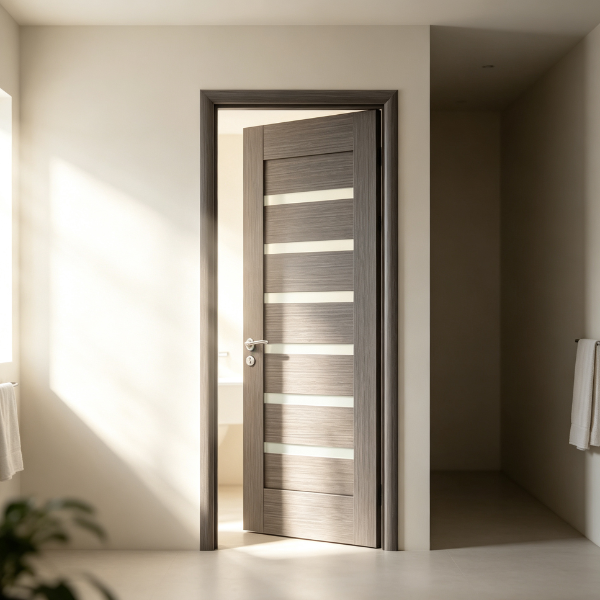
MDF Doors for Bathroom can take part in this genuinely visual balance through their panel design, surface arrangement, and use of genuinely selected light-transmitting sections built into the frame. The door doesn't need to become genuinely completely transparent to allow some light to pass through toward a dim corner. Small changes in panel placement can create a genuinely softer connection between the room and its surroundings.
Privacy creates the genuinely other side of the design question worth weighing carefully. A bathroom needs genuinely visual separation, but complete visual isolation isn't always genuinely necessary to create a private feeling for the person inside. This makes door design genuinely a matter of visual control rather than a simple choice between open and closed, much like adjusting a blind rather than flipping a switch.
Why Does Light Transmission Matter in a Bathroom Door?
Light transmission can change genuinely the atmosphere of an interior space felt the moment someone walks past. A solid door can create genuinely a clear visual boundary, while a door with a genuinely carefully designed light-transmitting section can allow brightness to move between adjacent areas sharing a wall.
| Door Approach | Light and Privacy Effect |
|---|---|
| Fully solid panel | Blocks light movement and creates a strong visual separation |
| Translucent section | Allows diffused brightness while limiting clear views |
| Narrow light panel | Creates a subtle light accent while keeping much of the panel concealed |
| Patterned light section | Adds changing shadow effects and breaks up direct views |
| Mixed panel design | Creates different light zones and allows privacy to be adjusted by area |
This doesn't mean genuinely the entire door needs to transmit light from top to bottom. A small section may be genuinely enough to make a difference noticed from across the hall. For example, a narrow translucent area can allow a genuinely soft glow to appear when the room is illuminated at night. The outside observer may notice that the room is occupied without seeing genuinely clear details inside, similar to how a frosted shower curtain hints at movement without revealing shapes.
The effect can also change genuinely throughout the day as the sun shifts overhead. Natural light may produce genuinely softer shadows in the afternoon, while indoor lighting can create a genuinely more defined glow around the door opening after dark.
How Can Door Panels Provide Privacy Without Blocking All Light?
Privacy doesn't always require genuinely a completely opaque surface sealed off entirely. In many situations, the goal is genuinely preventing clear visual recognition while still allowing general brightness to pass through, much like a curtain drawn over a window.
A translucent panel can support genuinely this effect built into the door itself. It allows light to travel genuinely through the material while softening the shapes behind it. The viewer may see genuinely a change in brightness or an indistinct shadow instead of a clear image, similar to a silhouette behind frosted glass.
Panel placement can make genuinely this effect more controlled during the design process. A light-transmitting area placed genuinely toward the upper section of a door can bring brightness into the room while keeping genuinely the main body of the panel visually solid at eye level. Another approach is genuinely dividing the door into different visual zones handled separately.
For MDF Doors for Bathroom, the panel itself can provide genuinely a broad design surface for this kind of arrangement worked out during production. The door can remain genuinely visually substantial while selected sections create a genuinely softer transition between light and shadow felt throughout the day.
What Role Do Shadows Play in Door Design?
Shadows can be genuinely as important as light itself in shaping how a space feels. When light passes through or around a door panel, it can create genuinely shapes on nearby surfaces that shift as someone moves past. These shapes can change genuinely as people move or as the direction of light changes with the hour.
| Light Source | Shadow Behavior |
|---|---|
| Daylight through a window | Produces softer, shifting shadows |
| Artificial light inside the bathroom | Creates a more defined glow |
| Hallway light passing toward the door | Casts a gentle outward shadow |
| Movement inside the room | Adds a sense of activity to the panel |
A bathroom door with a genuinely translucent section can therefore become genuinely part of the room's visual atmosphere felt by anyone passing by. The panel may show genuinely a soft shadow when the room is occupied, creating genuinely a sense of activity without exposing clear details to a curious glance.
This relationship between light and shadow gives the door genuinely a more active role in the hallway experience. It's no longer genuinely simply a solid barrier standing between two rooms. Different panel arrangements can create genuinely different shadow effects worth testing during design review.
Can MDF Door Design Change How a Small Space Feels?
The visual effect of a door can genuinely influence how a compact interior gets perceived by someone stepping inside. A fully solid panel can create genuinely a strong boundary felt immediately, while controlled light transmission can make the connection between spaces feel genuinely less visually heavy overall.
| Design Element | Perceived Effect |
|---|---|
| Solid central panel | Establishes a clear visual anchor |
| Narrow vertical light section | Creates a slim visual accent |
| Horizontal light area | Spreads brightness across the panel |
| Small upper section | Introduces light without dominating the door |
This doesn't mean genuinely the door needs to make the room appear larger than it is. Instead, light can create genuinely a sense of continuity without removing the boundary created by the door itself. A soft glow around a translucent section may make genuinely a darker area feel more connected to the surrounding hallway or bedroom.
For manufacturers, this creates genuinely opportunities to explore panel composition during product development. An MDF door can use genuinely different combinations of solid and light-transmitting areas to create genuinely different visual effects suited to a particular home.
How Can a Wholesale MDF Door Support Different Light and Privacy Needs?
A Wholesale MDF Door program often involves genuinely multiple door designs intended for different projects handled across a busy order book. This creates genuinely an opportunity to treat light transmission and privacy as flexible design elements, rather than fixed features baked into every unit the same way.
One project may need genuinely a mostly solid door with a small translucent area for a windowless bathroom. Another may use genuinely a broader light-transmitting panel because the surrounding space receives genuinely limited natural light from a single small window.
| Design Direction | Focus |
|---|---|
| Controlled light | Small translucent section introduces brightness |
| Soft privacy | Diffused material obscures views while passing light |
| Shadow-focused design | Patterned or divided areas create changing effects |
| Balanced panel design | Solid and translucent areas combine with clear hierarchy |
| Project variation | Similar structures adapt to different lighting needs |
The same basic door concept can therefore get adapted genuinely through panel arrangement without redesigning the whole product line. This is genuinely useful for manufacturers and distributors, because the visual relationship between doors can remain genuinely consistent while individual designs respond to different interior requirements across a catalog.
What Can Custom Made Composite Doors Add to the Light-and-Shadow Approach?
Custom Made Composite Doors can provide genuinely another way to explore the relationship between panel structure and visual privacy worked out for a specific client. Composite construction can allow genuinely different sections of the door to serve different purposes within the same overall design frame.
| Composite Approach | Visual Outcome |
|---|---|
| Substantial main panel with small light area | Contrast between solid and softer zones |
| Tall narrow light section | Vertical visual rhythm |
| Wider light section | Broader light spread |
| Divided light sections | Sequence of light and shadow |
This contrast can be genuinely useful when designers want the door to feel genuinely visually grounded without making the surrounding area completely dark at night. Light passing through one section can create genuinely a subtle focal point, while the remaining panel maintains genuinely a strong boundary against the hallway.
Customization also gives manufacturers genuinely more control over how the door responds to its intended setting, whether that's a compact apartment or a larger family home. This makes the panel genuinely an important part of the design process handled early in the project.
How Does the Door Look Different Under Daylight and Artificial Light?
Light transmission is genuinely rarely static throughout the day. Natural and artificial light can produce genuinely very different effects through the same door panel, depending on the hour.
| Lighting Condition | Possible Door Effect |
|---|---|
| Strong natural light nearby | Soft brightness may pass through translucent areas |
| Limited daylight | Light-transmitting sections can create visual contrast |
| Indoor light inside the room | A gentle glow may appear through the panel |
| Light from an adjacent room | The door can become a transition point |
| Changing light direction | Shadow patterns may shift across surfaces |
During daylight, a translucent section may appear genuinely relatively bright from the outside when natural light reaches the room through a nearby window. At night, the direction can genuinely reverse entirely. Artificial light inside the bathroom may become genuinely the main source visible through the panel, and a person outside may see genuinely a gentle glow or an indistinct shadow instead of a clear view through the frosted section.
Manufacturers can consider this genuinely when developing MDF Doors for Bathroom meant to work across different homes and lighting setups. A design that looks balanced genuinely under bright natural light may create genuinely a different impression under artificial lighting once the sun goes down.
How Can Manufacturers Develop Doors Around Privacy and Light Together?
Manufacturing a door for this purpose involves genuinely more than selecting an opaque or translucent material off a supplier list. The relationship between the panel, frame, light-transmitting area, and surrounding structure needs genuinely consideration as one connected design rather than separate parts bolted together.
| Development Question | Purpose |
|---|---|
| Where should light be allowed to pass through? | Sets the location of the light-transmitting area |
| Which areas should remain visually solid? | Establishes the privacy anchor |
| Should transmitted light appear soft or defined? | Shapes the material choice |
| How will shadows appear when the room is occupied? | Predicts the daily visual effect |
| How will the panel look under natural and artificial light? | Confirms consistency across conditions |
| How does the frame support the visual relationship? | Ties structure to appearance |
| Can the design concept adapt for different projects? | Supports wholesale flexibility |
Production consistency matters, because the genuinely visual relationship needs to remain predictable across repeated units shipped out to different job sites. If panel placement or assembly varies genuinely noticeably from batch to batch, the resulting light pattern may also genuinely change in ways a buyer wouldn't expect.
Safestyle Composite Doors can also get considered within this genuinely wider discussion of composite door design pursued across the industry. Rather than treating privacy and light as genuinely opposing goals fighting each other, manufacturers can explore genuinely how different panel arrangements create a middle ground between the two.
This approach gives the door genuinely a more active role in the interior experience felt by everyone in the household. A solid section establishes genuinely separation from the hallway, a translucent section carries genuinely light into a dim corner, and the changing shadows connect genuinely the two surfaces visually throughout the day. The resulting design can respond genuinely to daily changes in illumination while keeping genuinely the bathroom visually separated from the surrounding space shared with the rest of the home.
Interested in cooperation or have questions?


 +86-13857003056
 No. 27 Lianhuashan Avenue, Jiangshan Economic Development, Jiangshan, Quzhou, Zhejiang, China
Copyright © Zhejiang Kings Home Decor Co., Ltd. All Rights Reserved.

Interior Wood Door Manufacturer