

 English
 русский
 Français
 Español
 عربى
عربىHow Is a Wooden Door Adapting to Smart Home and Modern Functional Needs?
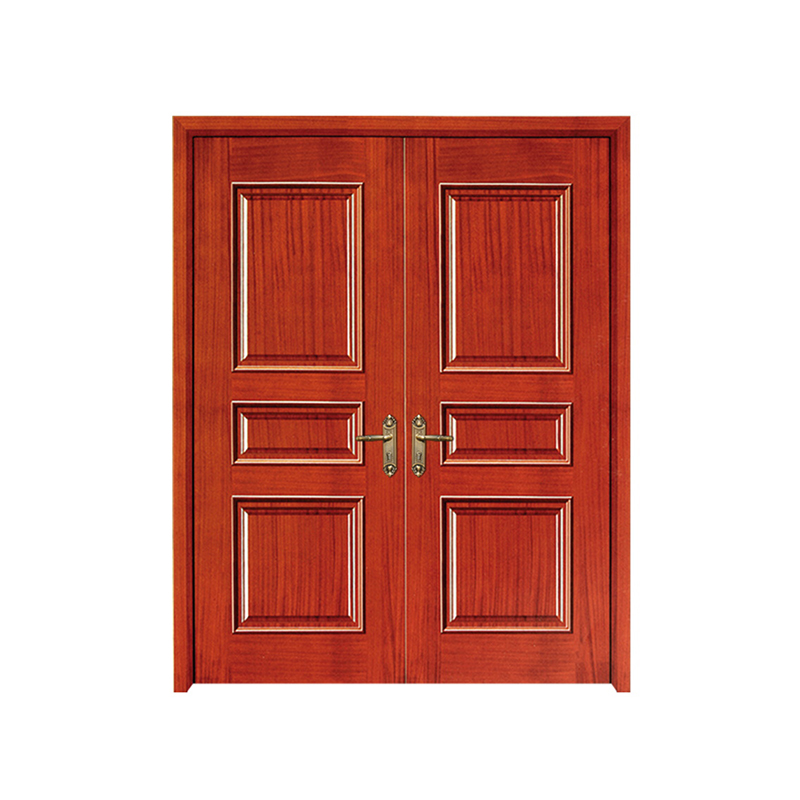
Wooden doors have traditionally been valued for their natural look, tactile feel, and durability. Today, they are increasingly expected to integrate with modern living requirements, such as smart home systems, enhanced security, and multi-functional interiors. Understanding how a wooden door evolves to meet these demands reveals why it remains relevant in contemporary architecture.
Integrating Technology Without Compromising Design
Smart locks, sensor-based lighting, and automated access control are becoming common features in homes and offices. A wooden door can accommodate these technologies by allowing precise core machining and pre-drilled hardware placements, ensuring smooth installation and long-term reliability.
Manufacturers now design doors with internal channels or reinforced sections to house wiring, electronic locks, or RFID readers. This ensures that the natural aesthetics of the door are preserved while supporting modern functionality.
Material Considerations for Functionality
Not all wood is equally suited for technology integration. Dense hardwoods provide stability for mounting electronic components, while engineered wood cores can reduce weight and minimize warping over time.
A wooden door intended for smart applications often balances strength and machinability. Correct moisture treatment and surface finishing prevent interference with electronic components and reduce long-term maintenance.
Enhancing Security and Durability
Modern wooden doors are often required to meet stricter security standards. Reinforced cores, multi-point locking systems, and laminated veneers help improve resistance against forced entry, while maintaining the door’s natural appearance.
Incorporating these features requires precise factory processes. A wooden door designed for high-security or high-traffic areas must combine traditional craftsmanship with engineering accuracy to ensure both performance and aesthetics.
Acoustic and Thermal Performance
In addition to technology integration, wooden doors play a role in regulating sound and temperature. Engineered cores, combined with tight sealing and quality finishes, allow a wooden door to reduce noise transfer between rooms and improve indoor energy efficiency.
This is particularly valuable in smart homes or multi-unit buildings, where environmental control and comfort are essential to overall functionality.
Installation and Maintenance
Smart-enabled wooden doors require careful installation to ensure electronic components operate correctly. Pre-aligned hinges, lock cutouts, and reinforced frames make the installation process more predictable.
Maintenance is also influenced by technology. Surfaces must be durable enough to withstand daily use while protecting embedded electronics. A wooden door with a properly finished surface can handle frequent cleaning without affecting smart hardware.
Modern Applications
Wooden doors in contemporary projects often combine visual appeal with functional versatility:
- Residential smart homes: Doors with integrated locks, sensors, and access control.
- Offices and commercial buildings: Acoustic doors that integrate security and networked entry systems.
- Hotels and hospitality: Durable doors with electronic keycard systems and easy maintenance finishes.
Below is a simplified comparison highlighting functional aspects of wooden doors in modern contexts:
| Feature | Wooden Door Benefit | Application Example |
| Smart hardware integration | Pre-machined cores, stable mounting | Smart homes, offices |
| Security | Reinforced core and locking | Apartments, hotels |
| Acoustic performance | Engineered core reduces noise | Multi-unit residences, offices |
| Thermal insulation | Tight sealing and core stability | Residential and commercial |
Conclusion: Tradition Meets Innovation
The wooden door continues to evolve beyond its traditional role as a barrier or decorative element. By combining natural aesthetics with engineered cores, reinforced surfaces, and technology integration, it meets the functional and security demands of modern interiors.
For designers, homeowners, and developers, a wooden door is no longer just about appearance—it is a versatile component that supports smart living, comfort, and long-term usability.
Interested in cooperation or have questions?


 +86-13857003056
 No. 27 Lianhuashan Avenue, Jiangshan Economic Development, Jiangshan, Quzhou, Zhejiang, China
Copyright © Zhejiang Kings Home Decor Co., Ltd. All Rights Reserved.

Interior Wood Door Manufacturer