

 English
 русский
 Français
 Español
 عربى
What Glass Finishes Are Available for Safestyle Composite Doors
A front door is something homeowners see and use every day, so its appearance and practical features deserve attention. When choosing Safestyle Composite Doors, the glass design can make a noticeable difference to the entrance. Textured, frosted, obscure, clear and decorative finishes each create a different effect. Some allow a clearer view outside, while others help screen the hallway from passers-by. The right choice depends on the layout of the property, the amount of daylight available and the style of the existing exterior. A house opening directly onto a pavement has different requirements from one with a private front garden.
What Glass Designs Can Be Paired with Safestyle Composite Doors?
Glazing can change the appearance of a composite door without changing its main panel colour. It can also make a hallway feel brighter or provide some screening from outside. Available designs depend on the selected door model and its glazing configuration.
Textured Glass Adds Pattern Without a Plain Finish
Textured glass has a patterned surface that changes how objects appear through the panel. It is worth considering when a homeowner wants some daylight but does not want a completely transparent entrance.
Common glass design names include Cotswold, Everglade, Florielle, Mayflower, Minster, Oak Leaf, Stippolyte, Taffeta and Silver Mist. Their patterns differ, so the appearance and screening effect will not be identical.
For example, a house close to a pavement may benefit from a textured finish that softens the view into the hallway. A homeowner choosing this type of glass should look at a physical sample, as photographs do not always show the surface detail clearly.
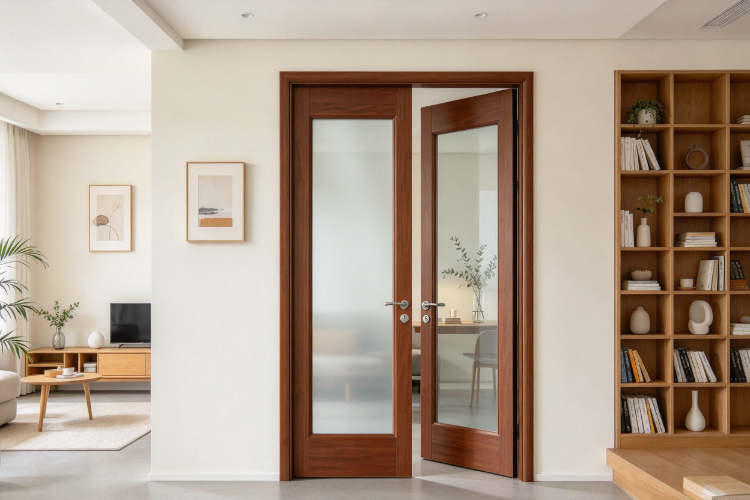
Frosted and Obscure Glass Help Screen the Hallway
Privacy is often a concern when the front door faces a public area. People walking past may be able to see directly into the hallway through clear glazing, particularly when the internal layout is visible from the entrance.
Frosted and obscure glass diffuse the view and can make the interior less exposed. These finishes are worth considering for:
- Homes close to pavements or shared paths.
- Entrances facing neighbouring windows.
- Hallways with limited internal screening.
- Properties where the front door opens directly towards a living space.
The amount of privacy depends on the glass finish. It is sensible to check how clearly objects can be seen through the sample during daylight and when the room lights are on.
Clear Glass Brings a More Open Appearance
Clear glass allows an unobstructed view through the glazed section. It can suit an entrance that faces a private garden or enclosed driveway, where overlooking is less of a concern.
It may also help daylight reach a hallway that has no nearby window. However, the same transparency can expose furniture, coats and other belongings to people outside.
Before choosing clear glazing, stand outside the property and consider what can be seen from the pavement or driveway.
Decorative Glass Adds Individual Character
Decorative glazing introduces patterns into the door and can complement the surrounding architecture. Designs may include floral details, geometric shapes and traditional leaded-style arrangements.
A house with traditional brickwork and classic window frames may suit ornamental glazing. A modern property with simple exterior finishes may look more coordinated with a restrained geometric pattern.
The glass should complement the door panel rather than compete with it.
Which Glass Designs Suit Different Composite Door Styles?
A glass pattern that looks attractive on its own may not work with every door design. The panel shape, colour and surrounding details all influence the finished appearance.
Contemporary Doors Suit Simple Patterns
Contemporary Safestyle Composite Doors can be paired visually with understated glazing. Fine textures, simple geometric details and subtle obscure finishes can maintain a clean appearance.
An anthracite grey door with a narrow patterned glass section, for example, can introduce detail without making the entrance look crowded.
Homeowners with modern properties should also consider the external lighting, window frames and door furniture. Matching the overall design helps the entrance feel connected to the rest of the house.
Traditional Doors Work with Decorative Glass
Traditional composite doors often feature raised panels and classic proportions. Floral patterns, textured finishes and leaded-style details can complement these features.
White and cream doors can create a softer appearance with decorative glazing, while darker colours can give the entrance a more defined look.
Before settling on a design, compare the glass pattern with the actual door panel. A detailed pattern may look busy when placed alongside heavily moulded panels.
Cottage-Style Doors Benefit from Natural Details
Cottage-inspired entrances often include brickwork, stone, timber features or planted front gardens. Softer glass patterns can complement these surroundings.
Nature-inspired textures and gentle floral designs may suit muted green, cream or traditional coloured doors. The aim is to create an entrance that feels consistent with the character of the property.
How Does Glass Affect Privacy and Natural Light?
The glazing needs to work from both sides of the door. A panel may look attractive from the street but feel uncomfortable if it exposes the hallway to people passing outside.
Check the View from Outside
Stand on the pavement or driveway and look towards the front door. Notice whether you can see the stairs, hallway furniture or internal rooms through the existing glazing.
If the entrance faces a busy road, obscure or textured glass may be worth considering. A property set back behind a garden may have different privacy requirements.
Lighting also changes visibility. A hallway that appears private during daylight may become more visible after the indoor lights are switched on in the evening.
Think About the Light Inside Your Hallway
Some British homes have narrow entrance halls with limited natural light. A glazed door section can help bring daylight into this space, although the effect depends on the size and position of the panel.
Clear glass allows a direct view, while textured glass changes the appearance of incoming light. Obscure finishes provide varying degrees of visual screening.
Consider the position of nearby windows, trees and porches before deciding on a finish.
Compare the Main Glass Options
| Glass Design | Privacy | Appearance | Everyday Consideration |
|---|---|---|---|
| Clear | Limited screening | Transparent | Suitable where overlooking is less of a concern |
| Frosted | Diffused visibility | Soft finish | Useful for exposed entrances |
| Textured | Depends on pattern | Decorative | Combines visual detail with screening |
| Ornamental | Depends on design | Traditional or decorative | Needs to suit the door panel |
| Geometric | Depends on finish | Modern and structured | Works with simple exterior styling |
Actual performance varies with glass construction and finish. Ask the supplier about the specifications of the particular product rather than relying on its design name.
How Can Glass Complement Different Door Colours?
Door colour affects the appearance of the glazing. A light-coloured door creates a different visual effect from a dark or brightly coloured finish.
Grey and Black Doors
Grey and black composite doors often suit simple textured or geometric glazing. These finishes can add detail while keeping the overall appearance restrained.
For an anthracite grey entrance, a lightly patterned panel may complement the colour without distracting from the door itself.
White and Cream Doors
White and cream doors can work with floral patterns, traditional textures and decorative glass. These combinations may suit brick houses with classic window frames and traditional exterior details.
A subtle finish can also help keep a light-coloured entrance looking balanced.
Coloured Doors
Red, green and blue composite doors already attract attention through their colour. A simple glass pattern may help prevent the entrance from looking overly decorated.
Compare samples against the actual door colour outside. Digital photographs and showroom lighting can make finishes look different from their appearance in natural daylight.
How Should You Choose Glass for Your Safestyle Composite Door?
A few practical checks can make the selection process easier.
Start with the Position of Your Entrance
Think about whether the door faces a pavement, driveway, garden or neighbouring property. This will help establish how much visual privacy is needed.
If people can see directly into the hallway, compare textured and obscure finishes before considering clear glass.
Consider Your Existing Light Conditions
Look at the hallway during the day. If it remains dark even when the curtains are open, ask about the glazed panel sizes available for your chosen door.
The glass finish matters, but so does the amount of glazing and its position within the door.
Match the Pattern to the Panel
Check whether the glass shape suits the door's design. A narrow vertical section may need a different pattern from a larger decorative panel.
Also consider the handle, letterplate and surrounding frame. These details should work together rather than look like separate design choices.
Confirm the Available Configurations
Not every glass design will necessarily be available with every Safestyle Composite Door. Ask the supplier to confirm compatibility with your preferred model.
It is also worth checking the glass construction, safety specifications, privacy characteristics and whether particular finishes involve additional charges.
What Should You Know About Glass Maintenance and Installation?
Glazing is exposed to rain, dust and everyday contact, so cleaning and inspection should be part of normal door care.
Keep Textured Glass Clean
Patterned surfaces can collect dust and water marks around their textured areas. Use a soft cloth and a suitable glass cleaner, following the manufacturer's instructions.
Avoid abrasive pads or cleaning products that could damage the surface.
Check the Glass and Surrounding Seals
During routine cleaning, look for visible cracks, damaged seals or moisture between the glazing layers. If condensation appears between the panes, contact the supplier or a door specialist for advice.
Moisture on the room-facing surface may have a different cause and can sometimes be associated with indoor humidity or ventilation.
Discuss Installation Before Ordering
Ask whether the chosen glass comes as part of the door unit and whether the installation has any specific requirements.
Correct fitting and sealing help the door close properly and protect the entrance against draughts and rain. A qualified installer can also check the operation of the door after fitting.
Explore Safestyle Composite Doors Glass Options
The glass you choose should suit the layout of your home as well as the appearance of the entrance. Textured and obscure finishes may help screen a hallway, while clear glazing can create a more open feel. Decorative patterns offer another way to coordinate the door with the architecture of the property.
If you are considering Safestyle Composite Doors, ask the supplier to show you the available glass samples alongside your preferred door design. Check the privacy characteristics, panel compatibility and safety specifications before confirming your order.
Contact a composite door specialist to discuss your entrance and glazing preferences. Comparing actual samples can help you select a design that fits your home and feels practical in everyday use.
Interested in cooperation or have questions?


 +86-13857003056
 No. 27 Lianhuashan Avenue, Jiangshan Economic Development, Jiangshan, Quzhou, Zhejiang, China
Copyright © Zhejiang Kings Home Decor Co., Ltd. All Rights Reserved.

Interior Wood Door Manufacturer