

 English
 русский
 Français
 Español
 عربى
عربىWhy Should You Consider a Wooden Door for Renovation or New Construction?
Doors are more than just entry points; they provide security, privacy, and contribute to the overall interior design. A Wooden Door is a popular choice for both residential and commercial spaces due to its combination of durability, style, and versatility. Understanding its structure, materials, and installation considerations helps in selecting the right door for specific applications.
Structure and Material Options
A Wooden Door is typically constructed using solid wood, engineered wood, or a combination of wood panels and frame. Solid wood doors offer durability and natural texture, while engineered wood doors provide stability and resistance to warping under changing humidity conditions.
The choice of wood species affects the door's appearance and strength. Hardwoods like oak, maple, or teak are often used for high-traffic areas, while softer woods like pine can be suitable for interior doors. The door may also feature panels, veneers, or decorative carvings depending on the design preference.
Design and Aesthetic Appeal
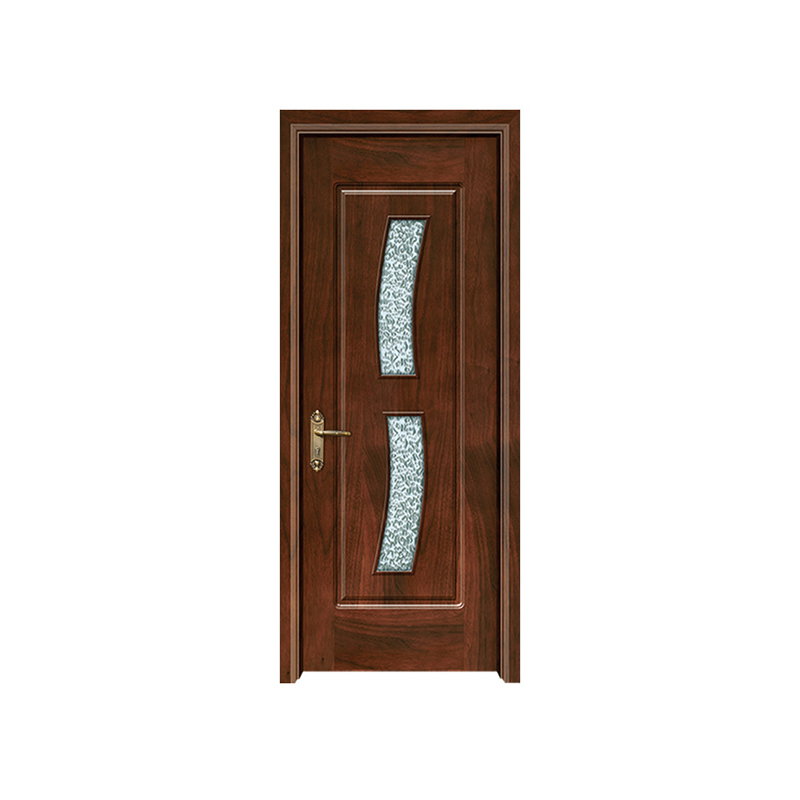
Wooden Doors offer a wide range of styles to match interior decor. They can be minimalist and modern, classic with raised panels, or artistic with intricate carvings. Finishes such as stains, paints, or varnishes enhance the wood grain and protect the surface from moisture and scratches.
Color and texture selection is also important in maintaining a cohesive design. A well-chosen wooden door complements flooring, wall colors, and furniture, contributing to the overall ambiance of the space.
Functionality and Security
Beyond aesthetics, a Wooden Door provides functional benefits such as privacy, sound reduction, and basic security. Solid doors are heavier and provide better noise insulation than hollow alternatives. The door frame and hardware, including hinges and locks, further influence the door's performance and security.
For exterior applications, wooden doors can be treated with weather-resistant coatings to improve durability and protect against rain, sun, and humidity. Proper installation ensures a tight fit that minimizes drafts and maintains energy efficiency.
Installation and Maintenance
Installing a Wooden Door requires accurate measurement, leveling, and secure attachment to the frame. Professional installation helps avoid issues such as misalignment, uneven gaps, or difficulty in operation.
Maintenance of a wooden door involves cleaning, occasional polishing, and inspecting for signs of warping or damage. Exterior doors may require periodic resealing or refinishing to maintain durability against environmental exposure.
Applications in Residential and Commercial Spaces
Wooden Doors are widely used in homes for bedrooms, bathrooms, and main entrances. They also serve commercial purposes in offices, hotels, and public buildings, offering a combination of functional performance and aesthetic appeal.
Interior wooden doors help define spaces while providing visual interest, while exterior doors contribute to curb appeal and security. Their adaptability makes them suitable for modern, traditional, and hybrid architectural styles.
A Wooden Door offers a balanced combination of durability, functionality, and design versatility. With careful selection of materials, finishes, and installation methods, wooden doors can meet the demands of both residential and commercial environments. Understanding the benefits, maintenance needs, and design possibilities ensures that wooden doors provide long-term performance while enhancing the visual appeal of any space.
Interested in cooperation or have questions?


 +86-13857003056
 No. 27 Lianhuashan Avenue, Jiangshan Economic Development, Jiangshan, Quzhou, Zhejiang, China
Copyright © Zhejiang Kings Home Decor Co., Ltd. All Rights Reserved.

Interior Wood Door Manufacturer