

 English
 русский
 Français
 Español
 عربى
عربىCan MDF PVC Door Resist Termites and Mold?
Choosing the right doors for a home or office involves more than aesthetics. Durability, resistance to pests, and performance in humid conditions are critical factors. Among various options, the MDF PVC Door has become popular for its affordability, versatility, and claims of resistance to termites and mold. But how effective is it, and what should buyers consider before selecting one? This article explores the topic in detail.
What Is an MDF PVC Door?
An MDF PVC Door is a hybrid type of door that combines a core made of Medium-Density Fiberboard (MDF) with a surface layer of PVC (polyvinyl chloride). MDF is an engineered wood product created by compressing wood fibers with adhesives and heat, producing a stable, uniform material. PVC, on the other hand, is a synthetic material known for its water resistance and durability.
The combination allows these doors to resemble traditional wooden doors while offering practical benefits in areas prone to moisture or pests. It also enables manufacturers to produce a variety of finishes, from smooth surfaces to textures that imitate real wood grains.
Key Features of MDF PVC Doors
| Feature | Description |
| Core Material | Medium-Density Fiberboard (MDF) – engineered wood fibers with adhesive bonding |
| Surface Layer | PVC – protects against moisture, scratches, and minor impacts |
| Appearance | Available in various textures and colors, including wood-like finishes |
| Maintenance | Easy to clean with a damp cloth, no need for polishing or varnishing |
| Application | Suitable for interior and semi-exterior use, including kitchens and bathrooms |
Termite Resistance of MDF PVC Doors
Termites are a major concern for homeowners and builders, especially in regions with warm and humid climates. These insects feed on cellulose, which is abundant in natural wood. While MDF contains wood fibers, it is compressed and treated with adhesives that reduce cellulose availability. The addition of a PVC layer acts as a barrier, making it harder for termites to reach the core.
How Termite Resistance Works
- Core Protection: The MDF core is less appealing to termites because it lacks solid cellulose and is tightly compressed.
- Surface Barrier: PVC covering prevents termites from directly contacting the wood fibers.
- Edge Vulnerability: Although the surface is protected, exposed edges or damage to the PVC layer can allow termites access. Proper installation and sealing are important to maintain resistance.
While no door is completely immune to termites, MDF PVC Doors perform better than traditional untreated wooden doors in resisting insect damage. Regular inspections can further reduce the risk of infestation.
Mold Resistance and Moisture Management
Mold is another common problem in homes, particularly in humid areas like bathrooms, kitchens, and basements. Traditional wooden doors absorb moisture, providing an environment where mold can thrive. MDF is prone to swelling if exposed to water, but the PVC layer on an MDF PVC Door acts as a protective shield.
How Mold Resistance Is Achieved
- Water Barrier: PVC prevents water from directly contacting the MDF core.
- Reduced Porosity: Unlike natural wood, the MDF core is compact, minimizing the spaces where mold spores can grow.
- Maintenance Ease: The smooth surface allows easy cleaning of any surface mold or dirt without damaging the door.
To ensure long-term mold resistance, it is important to avoid letting water seep into the edges or joints. In areas with consistent high humidity, adding proper ventilation helps maintain the door’s performance.
Durability and Limitations
While MDF PVC Doors resist termites and mold more effectively than conventional wood doors, they are not indestructible. Understanding their limitations helps users make informed choices.
Strengths
- Resistant to minor impacts and scratches due to the PVC surface.
- Uniform appearance without natural defects found in wood.
- Low maintenance; no need for painting or regular polishing.
Limitations
- Edge Sensitivity: If the edges are exposed or damaged, moisture or termites can reach the MDF core.
- Weight: MDF doors can be heavier than hollow wooden doors, requiring sturdy hinges and frames.
- Heat Sensitivity: Prolonged exposure to high heat may warp the PVC layer or cause minor discoloration.
Taking these factors into account ensures the door performs well over its intended lifespan.
Practical Applications of MDF PVC Doors
MDF PVC Doors are suitable for a variety of indoor and semi-exterior applications where moisture and pests are considerations. Common uses include:
- Bathrooms and Kitchens: Areas with frequent water exposure benefit from the PVC layer’s resistance.
- Bedrooms and Living Rooms: Provide a consistent, low-maintenance appearance.
- Offices: Interior partitions or office rooms can use these doors for durability and easy maintenance.
- Commercial Spaces: Ideal for moderate-traffic areas where low-maintenance doors are desirable.
Their versatility makes them a practical choice for both residential and commercial projects.
Installation and Maintenance Tips
- Seal Edges: Ensure that edges and joints are sealed during installation to prevent water or pests from entering.
- Avoid Direct Water Exposure: Do not allow standing water to touch the door for long periods.
- Regular Cleaning: Wipe the surface with a damp cloth to remove dust and moisture. Avoid harsh chemicals that could damage the PVC layer.
- Inspect Periodically: Check for scratches, cracks, or peeling PVC that could expose the MDF core.
Following these steps can help maintain the door’s appearance and functional resistance for many years.
Comparing MDF PVC Doors With Other Options
| Door Type | Termite Resistance | Mold Resistance | Maintenance |
| Solid Wood | Low – untreated wood can attract termites | Moderate – absorbs moisture | Requires polishing and varnishing |
| MDF Only | Moderate – compressed fibers reduce appeal to termites | Low – prone to swelling with moisture | Needs careful cleaning |
| MDF PVC Door | High – PVC layer prevents access | High – moisture barrier reduces mold growth | Easy cleaning, low upkeep |
This comparison shows that MDF PVC Doors strike a balance between appearance, resistance to pests, and ease of maintenance.
In conclusion, MDF PVC Doors offer practical benefits for homeowners and businesses concerned about termites and mold. The combination of an MDF core with a PVC surface provides a barrier against pests and moisture, making these doors more durable than traditional wooden options. Proper installation, sealing, and maintenance are essential to preserve their resistance over time.
For those looking for reliable MDF PVC Doors with consistent quality, brands like KENDE provide options that combine design variety, durability, and ease of use. With attention to installation and care, an MDF PVC Door can be a low-maintenance and visually appealing choice for many interior applications.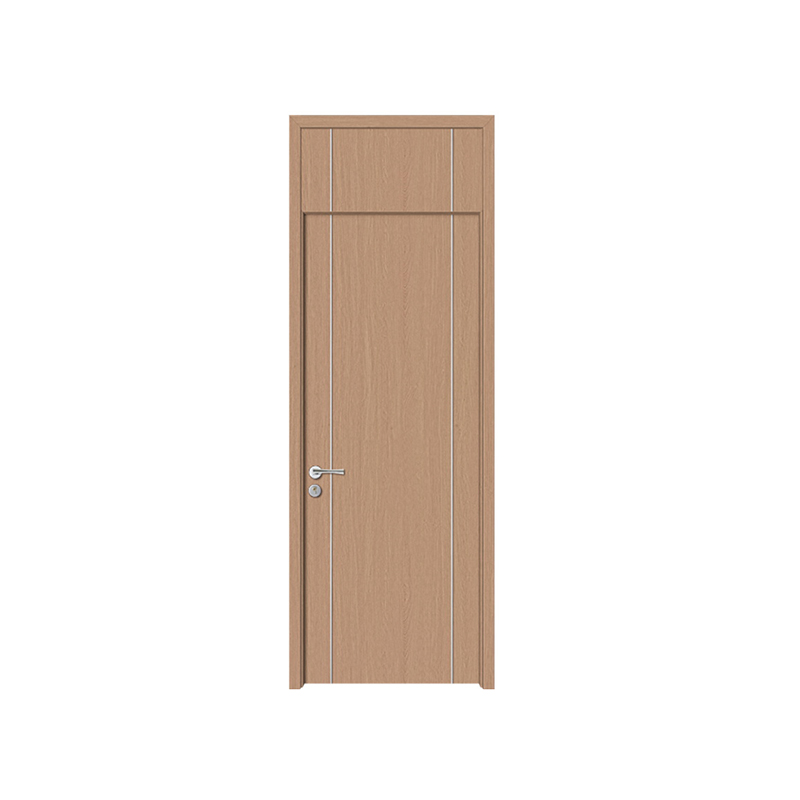
Interested in cooperation or have questions?


 +86-13857003056
 No. 27 Lianhuashan Avenue, Jiangshan Economic Development, Jiangshan, Quzhou, Zhejiang, China
Copyright © Zhejiang Kings Home Decor Co., Ltd. All Rights Reserved.

Interior Wood Door Manufacturer