

 English
 русский
 Français
 Español
 عربى
عربىHow Strong Is an MDF PVC Door Structure?
Doors are more than just entryways; they define spaces, provide privacy, and contribute to the overall durability of a building. Among interior door options, MDF PVC doors have gained attention for their blend of affordability, appearance, and practical performance. Understanding how strong an MDF PVC door structure is can help homeowners, builders, and designers make informed decisions about where and how to use them.
An MDF PVC door is a hybrid design that combines the internal support of Medium-Density Fiberboard (MDF) with the protective and decorative benefits of a PVC (Polyvinyl Chloride) coating. The structure typically involves:
- MDF Core: Provides rigidity, weight, and a stable surface for panels or patterns.
- PVC Surface Layer: Offers resistance against moisture, scratches, and minor impacts while giving a finished look.
- Edge Frame: Often reinforced with solid timber or additional MDF strips to improve overall strength and support hinges.
This combination is designed to create a door that is stable, visually appealing, and relatively easy to maintain. While it does not have the same structural integrity as solid wood or metal doors, the MDF PVC door is engineered to handle typical indoor conditions effectively.
Factors Affecting Structural Strength
The strength of an MDF PVC door depends on several interrelated factors. Understanding these can clarify where the door performs well and where it may have limitations.
| Factor | How It Affects Strength |
| Core Thickness | Thicker MDF cores provide better rigidity, reducing the likelihood of bowing or bending over time. |
| PVC Quality | Higher-quality PVC coatings resist dents, scratches, and moisture penetration more effectively. |
| Edge Reinforcement | A strong frame around the door edges helps prevent sagging at the hinges or corners. |
| Joinery and Adhesives | Proper bonding between MDF and PVC layers ensures the door maintains its structural integrity and does not delaminate. |
| Door Size | Larger doors may require additional reinforcement to maintain stability. |
Each of these factors contributes to how the door behaves under normal use, especially in areas with fluctuating temperatures, humidity, or frequent opening and closing.
Durability Under Environmental Conditions
One common concern with MDF-based doors is their vulnerability to moisture. MDF is composed of compressed wood fibers, which can swell when exposed to water. The PVC coating on an MDF PVC door serves as a barrier against moisture, preventing immediate water absorption. This feature makes MDF PVC doors suitable for indoor environments like living rooms, bedrooms, hallways, and moderately humid areas such as kitchens or bathrooms.
However, these doors are not fully waterproof. Extended exposure to high humidity or direct water contact can eventually compromise the MDF core. This is why careful installation and the addition of seals at the edges are important for doors in environments with occasional moisture.
Temperature changes also affect MDF PVC doors. MDF can expand or contract slightly depending on the climate, but the PVC coating limits these movements, helping the door maintain its shape over time. This combination provides a stable door for indoor conditions without requiring the same level of maintenance as solid wood.
Impact Resistance and Everyday Use
The MDF PVC door structure provides moderate impact resistance. It can withstand light knocks, bumps, and minor collisions without significant damage. PVC adds some flexibility and distributes the force of impacts, reducing the risk of surface cracks or dents compared to plain MDF.
Still, the door is not intended for heavy-duty applications where strong force or high-impact usage is common. For areas such as garages or commercial settings with constant wear and tear, a more robust door type may be necessary.
Despite these limitations, MDF PVC doors are suitable for standard interior use, including:
- Bedrooms and closets
- Living areas
- Office spaces
- Hallways and passage doors
In these environments, the door's strength is sufficient for daily use, and its PVC surface ensures it remains visually consistent over time.
Maintenance and Longevity
MDF PVC doors require minimal maintenance, which contributes to their practical strength. The PVC layer makes cleaning straightforward—wiping with a damp cloth is often enough to remove dust and minor stains. Unlike solid wood, MDF PVC doors do not need polishing, varnishing, or frequent painting.
Proper installation is critical to long-term durability. Ensuring that the door is correctly hung, that hinges are securely fixed, and that the frame is reinforced will prevent sagging or misalignment. Additionally, avoiding prolonged exposure to moisture and protecting edges and corners can extend the life of the door significantly.
Structural Enhancements
Some manufacturers reinforce MDF PVC doors to improve performance. Techniques include:
- Adding solid wood strips around edges for hinge reinforcement
- Using thicker MDF cores to increase rigidity
- Applying multi-layer PVC coatings for additional impact resistance
- Incorporating moisture-resistant adhesives and bonding techniques
These enhancements do not make the door comparable to exterior or industrial-grade doors, but they can extend its usability and performance in higher-traffic indoor settings.
An MDF PVC door structure balances durability, affordability, and practicality. Its combination of an MDF core and PVC surface layer offers stability, resistance to moisture, and moderate impact strength. While it cannot match the robustness of solid wood or metal doors, it meets the functional requirements of interior applications, including bedrooms, offices, and hallways.
Key factors such as core thickness, frame reinforcement, PVC quality, and installation all influence the door's performance. Attention to these details ensures that an MDF PVC door remains stable, visually appealing, and functional for years.
For spaces where moderate strength, ease of maintenance, and aesthetic flexibility are important, MDF PVC doors provide a practical solution. They offer a solid indoor door option that combines structural stability with a smooth, easy-to-clean surface, making them suitable for both residential and office environments.
In summary, the strength of an MDF PVC door structure lies in its design synergy: the dense MDF core provides internal support, while the PVC coating protects the surface and adds durability. With proper construction and care, these doors perform reliably in everyday indoor settings, offering an effective combination of practicality and appearance.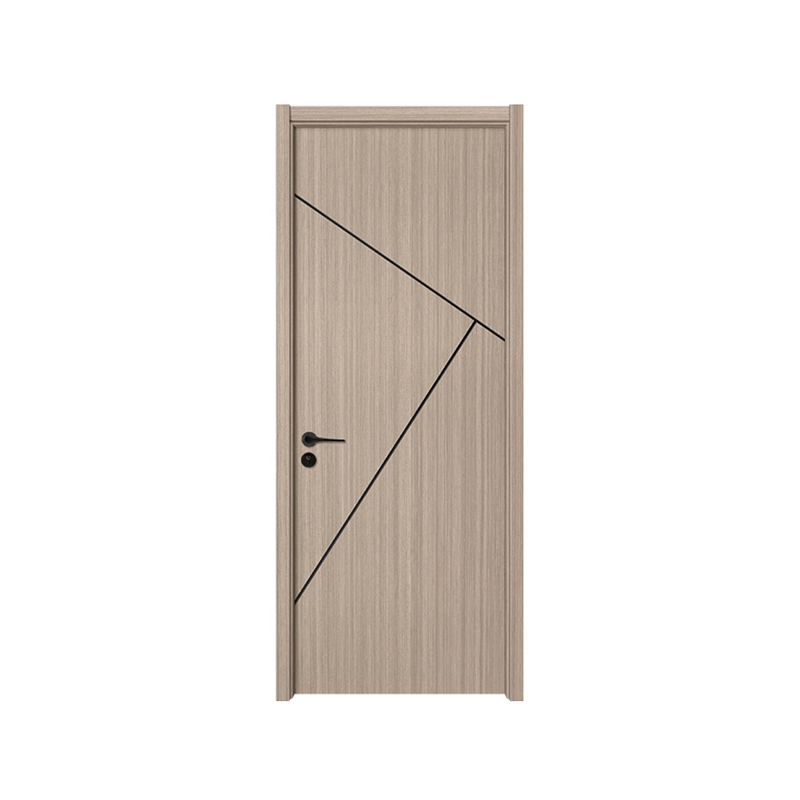
Interested in cooperation or have questions?


 +86-13857003056
 No. 27 Lianhuashan Avenue, Jiangshan Economic Development, Jiangshan, Quzhou, Zhejiang, China
Copyright © Zhejiang Kings Home Decor Co., Ltd. All Rights Reserved.

Interior Wood Door Manufacturer