

 English
 русский
 Français
 Español
 عربى
عربىHow Cost-Effective Are Combined Doors for Bulk Projects?
In large-scale construction or renovation projects, the selection of doors plays a significant role in both budget management and long-term performance. Combined doors—doors that integrate two or more materials, such as wood, PVC, or glass—have become an increasingly popular choice. While they might carry a slightly higher initial cost compared to traditional single-material doors, their long-term value and versatility make them worth considering for bulk projects. This article explores how cost-effective combined doors can be when used in large quantities, addressing factors such as material selection, installation, maintenance, and overall project efficiency.
Combined doors are designed to merge the benefits of different materials. A common example is a wooden frame with a PVC or glass panel insert. This type of design allows the door to retain structural stability while providing resistance to moisture, termites, or environmental wear.
Some features of combined doors include:
- Material versatility: Builders can choose combinations that suit specific environmental conditions or design preferences.
- Durability: Combining materials can reduce the risk of warping, cracking, or other damage that single-material doors may encounter.
- Aesthetic appeal: Mixed materials allow more design options, such as incorporating glass panels or decorative PVC elements without significant cost increases.
In bulk projects, such as apartment complexes, hotels, or office buildings, these characteristics can translate into both direct and indirect savings.
Cost Factors in Bulk Purchases
The cost of combined doors varies depending on material composition, design complexity, and supplier pricing. For bulk projects, several cost factors should be considered:
| Cost Factor | Description | Impact in Bulk Projects |
| Material Costs | Costs of wood, PVC, glass, or other components | Moderate; bulk orders often lower per-unit cost |
| Manufacturing | Pre-fabrication or customization | Reduced if standardized models are used |
| Transportation | Delivery to project site | Can be minimized through consolidated shipping |
| Installation | Labor and equipment needed | Often lower for pre-assembled combined doors |
| Maintenance | Upkeep over lifespan | Typically lower due to material durability |
| Replacement Frequency | How often doors need to be replaced | Fewer replacements reduce long-term costs |
From the table, it is clear that while combined doors may initially cost more than basic wooden or PVC doors, their durability, reduced maintenance needs, and longer lifespan can make them cost-effective in the context of large projects.
Installation Efficiency
One of the advantages of combined doors for bulk projects is their installation efficiency. Many combined doors are designed for modular assembly. Pre-fabricated panels, standard dimensions, and uniform hardware make it easier to install multiple units quickly.
- Standardized sizes: Bulk orders often allow manufacturers to produce doors in uniform dimensions, simplifying the installation process and reducing labor costs.
- Simplified logistics: Consistent sizes and materials make storage, handling, and transportation easier on-site.
- Faster assembly: Modular designs can reduce the time spent adjusting or modifying doors during installation.
Efficient installation not only saves money but also helps keep project timelines on schedule, an essential consideration in large-scale developments.
Durability and Maintenance
Combined doors are often more resistant to environmental factors than traditional single-material doors. For example, a wooden frame combined with a PVC panel can resist moisture, reducing the likelihood of swelling, cracking, or rotting. Similarly, incorporating glass or aluminum elements can enhance structural stability and extend the door's usable lifespan.
Regular maintenance is another factor affecting cost-effectiveness. While all doors require some level of care, combined doors generally need less frequent repairs due to their balanced construction. For large projects, this reduced maintenance demand can translate into considerable savings over time, especially when multiplied across dozens or hundreds of units.
Energy and Insulation Benefits
In addition to structural durability, combined doors can contribute to energy efficiency. Doors with multi-material panels often provide better thermal insulation compared to single-material doors. For residential or commercial buildings, improved insulation can help reduce heating and cooling costs over the building's lifetime.
Even minor energy savings per unit can become substantial when applied to a bulk project. This aspect reinforces the idea that the initial investment in combined doors can be offset by long-term operational savings.
Practical Considerations for Project Managers
When evaluating combined doors for bulk projects, decision-makers should consider several practical factors:
- Material quality: Higher-quality materials reduce the risk of damage and extend the door's lifespan.
- Supplier reliability: Working with experienced suppliers ensures consistent quality and delivery schedules.
- Compatibility with building design: Doors must meet functional requirements such as fire safety, sound insulation, and accessibility standards.
- Bulk discounts: Negotiating bulk orders can reduce per-unit costs, making combined doors more financially viable.
Careful planning in these areas can help maximize the benefits of combined doors without compromising budget or design intent.
Case Example
Imagine a project requiring 500 residential units. Choosing standard wooden doors might reduce upfront costs, but if 10% of doors require replacement within five years due to warping or moisture damage, the maintenance and replacement costs add up. In contrast, combined doors might initially cost 15–20% more per unit, but their durability reduces replacements and labor costs, resulting in net savings over time.
While the combined doors show slightly higher initial cost in this example, they provide long-term savings in maintenance, energy efficiency, and overall project efficiency when considered in the broader context of building operations.
Combined doors offer a practical balance of durability, design flexibility, and energy efficiency, making them a viable option for bulk projects. Their initial cost may be higher than traditional doors, but reduced maintenance, simplified installation, and extended lifespan can offset the upfront investment.
For developers, architects, and project managers, the key is to carefully assess material choices, supplier reliability, and design requirements. By doing so, combined doors can deliver cost-effective performance and contribute positively to the overall success of large-scale construction projects.
In summary, combined doors represent a thoughtful investment for projects where both long-term savings and functional versatility matter. Their value becomes even clearer when deployed in bulk, demonstrating that strategic material choices can align with both budget and project goals.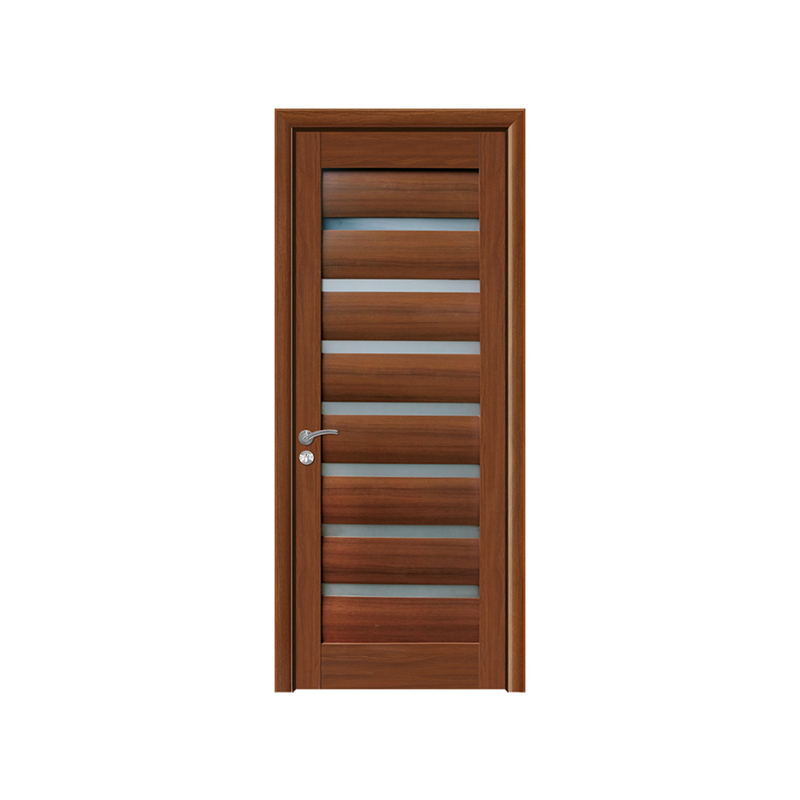
Interested in cooperation or have questions?


 +86-13857003056
 No. 27 Lianhuashan Avenue, Jiangshan Economic Development, Jiangshan, Quzhou, Zhejiang, China
Copyright © Zhejiang Kings Home Decor Co., Ltd. All Rights Reserved.

Interior Wood Door Manufacturer