

 English
 русский
 Français
 Español
 عربى
عربىCan Combined Doors Improve Home Insulation Performance?
Home insulation plays a crucial role in maintaining a comfortable indoor environment, reducing energy costs, and enhancing the overall efficiency of a house. While walls, windows, and roofing often receive attention, doors are sometimes overlooked in energy efficiency discussions. In recent years, combined doors have emerged as a practical solution for homeowners who want better insulation without sacrificing design or functionality. These doors, made from multiple materials, offer a unique blend of durability, aesthetics, and energy performance.
Combined doors are designed by integrating two or more materials in a single door structure. Common combinations include wood and PVC, metal with insulating cores, or glass with PVC frames. Each material contributes specific properties:
- Wood provides natural aesthetics and a degree of thermal insulation.
- PVC resists moisture and is low maintenance.
- Metal adds strength and durability.
- Glass can offer natural light while maintaining some insulation if double-glazed.
By combining these materials, the door takes advantage of each material’s strengths while reducing the weaknesses of single-material doors. For example, a wooden door may warp over time due to humidity, but pairing it with PVC layers can protect against moisture and enhance longevity.
| Material Combination | Typical Use | Key Benefits |
| Wood + PVC | Residential | Moisture resistance, aesthetic appeal |
| Metal + Foam Core | Exterior doors | Structural strength, reduced heat transfer |
| Glass + PVC | Patio doors | Light transmission, moderate insulation |
| Wood + Metal Core | Security doors | Enhanced protection, better thermal performance |
This table illustrates the versatility of combined doors in different home applications.
Thermal Insulation and Energy Savings
One of the main considerations when evaluating doors is their ability to maintain indoor temperatures. Traditional single-material doors, such as solid wood or standard metal doors, may allow heat to escape during winter or enter during summer. This puts extra strain on heating and cooling systems.
Combined doors often include insulating cores made from materials like polyurethane, polystyrene, or mineral wool. These cores act as barriers to heat transfer, slowing down the movement of warm or cool air between indoors and outdoors. The result is a more stable indoor temperature and reduced energy consumption.
Some studies and practical tests indicate that a well-constructed combined door can reduce heat loss by up to 20% compared with conventional doors, depending on the materials used and the quality of installation. While this may not replace insulation improvements for walls or roofs, it represents a noticeable contribution to overall energy efficiency in the home.
Noise Reduction and Comfort
Beyond thermal benefits, combined doors can also improve acoustic insulation. The layered structure of different materials helps dampen sound waves, reducing the transmission of external noise into the home. For households near busy streets or urban environments, this can significantly improve comfort by providing a quieter indoor space.
Doors with thicker insulating cores or layered glass panels often show better performance in blocking high-frequency and mid-frequency sounds. This feature, combined with weatherstripping and proper installation, can create an indoor environment that feels more peaceful even in noisy surroundings.
Security and Durability
While insulation is important, doors also serve as barriers against unwanted entry and environmental damage. Combined doors can enhance security without compromising energy efficiency.
- Metal cores provide strength against forced entry.
- Wood layers add rigidity and a natural look.
- PVC or composite layers protect against water damage and warping.
This combination ensures that homeowners do not have to choose between energy performance and physical durability. Properly maintained, combined doors can last for many years while keeping both the home secure and insulated.
Installation and Maintenance
The performance of a door, including insulation, is highly dependent on installation. Even a well-constructed combined door will lose effectiveness if gaps exist around the frame or if weatherstripping is improperly applied.
Key installation tips include:
- Ensuring the frame is level and fits snugly.
- Using appropriate sealants or weatherstripping to prevent air leakage.
- Regularly checking hinges and locks to maintain door alignment.
Maintenance varies according to the materials used. Wood may require periodic refinishing or treatment to prevent cracks, while PVC components may need simple cleaning to maintain appearance. Understanding the care requirements for each material ensures the door retains its insulation and structural benefits over time.
Choosing the Right Combined Door
Selecting the combined door for insulation depends on several factors:
- Climate: In colder climates, doors with thicker insulating cores may be more effective, while in humid areas, moisture-resistant materials are essential.
- Door location: Exterior doors need better thermal and acoustic performance than interior doors.
- Usage: High-traffic areas might benefit from durable, low-maintenance materials.
Homeowners should also consider aesthetic preferences, balancing energy performance with the desired style of the home. Combined doors allow flexibility, enabling designers to create doors that complement both modern and traditional interiors.
Combined doors can be a meaningful addition to a home’s insulation strategy. By integrating multiple materials, these doors offer enhanced thermal and acoustic performance, while also providing durability and design flexibility. While they are not a replacement for other insulation improvements such as wall or roof upgrades, they support energy efficiency efforts and contribute to a more comfortable indoor environment.
Proper material selection, professional installation, and regular maintenance are essential to maximize the benefits of combined doors. For homeowners seeking a balance between appearance, comfort, and energy performance, these doors present an option worth considering. Over time, the small energy savings and increased comfort can add up, making combined doors a practical and functional choice in modern home design.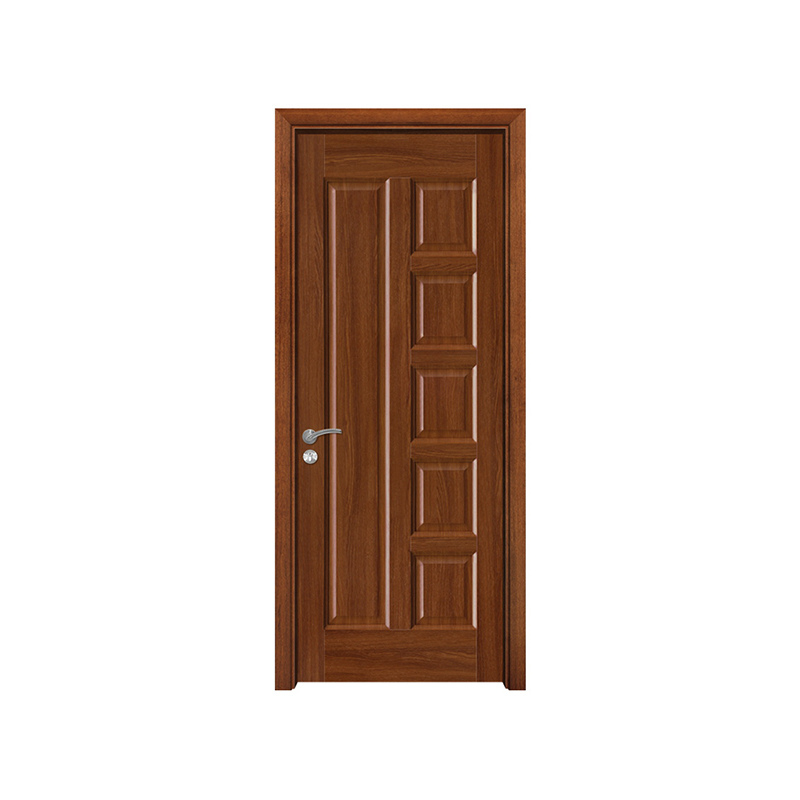
Interested in cooperation or have questions?


 +86-13857003056
 No. 27 Lianhuashan Avenue, Jiangshan Economic Development, Jiangshan, Quzhou, Zhejiang, China
Copyright © Zhejiang Kings Home Decor Co., Ltd. All Rights Reserved.

Interior Wood Door Manufacturer