

 English
 русский
 Français
 Español
 عربى
عربىHow Do Bathroom Conditions Affect CPVC MDF Door Selection
Choosing a door for a bathroom isn't simply a matter of matching the color of the walls or the general style of the room. MDF Doors for Bathroom applications need consideration alongside humidity, ventilation, surface protection, cleaning habits, and how often the door actually gets exposed to moisture throughout a typical week. A door that works fine in a dry bedroom faces genuinely different conditions once it's placed near a shower, bathtub, sink, or any other damp area of the house.
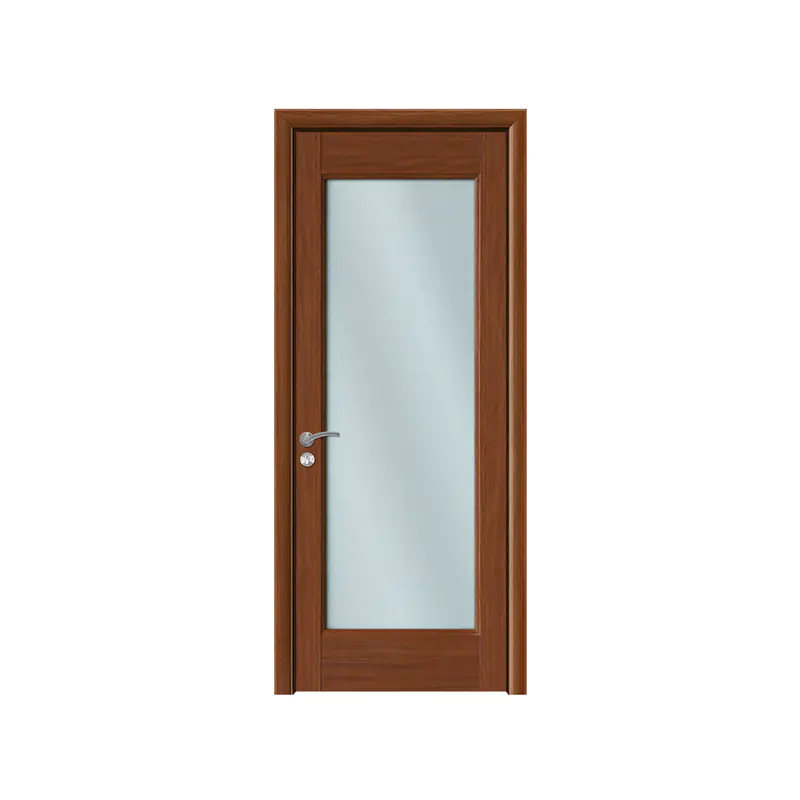
Bathroom conditions shift throughout the day in ways a bedroom never experiences. Moisture settles on nearby surfaces after a shower, warm air can push condensation onto everything nearby, and frequent use creates repeated exposure to dampness that adds up over months. These factors make material choice and door construction genuinely important parts of bathroom planning, not just a color-matching exercise at the hardware store.
Why Does Bathroom Humidity Matter When Choosing an MDF Door?
Humidity ranks as one of the main conditions worth considering, since MDF is a wood-based material that can react to prolonged moisture exposure over time. The effect isn't determined by humidity alone though, since the location of the door, surface treatment, ventilation, and maintenance habits all shape how the door actually experiences its environment day to day.
A bathroom door positioned right next to a shower encounters a genuinely different level of moisture than one located farther away near the main wet area. This difference affects the practical suitability of the door and deserves consideration well before installation day rather than after.
| Bathroom Condition | Door Consideration |
|---|---|
| Frequent shower use | Greater attention to moisture exposure |
| Limited ventilation | More care needed with damp conditions |
| Door near shower area | Surface protection becomes important |
| Dry bathroom layout | Lower direct moisture exposure |
| Shared family bathroom | Frequent cleaning and daily use |
Humidity can also linger in the room well after a shower has already finished running. If moist air doesn't get removed effectively through a fan or open window, surrounding surfaces can stay damp for a lot longer than expected, which raises the demands placed on nearby materials over time.
This is exactly why buyers should look past the appearance of an MDF door sitting on a showroom floor. The actual bathroom environment it's headed for provides the real context for determining whether a particular door construction genuinely fits.
How Does Door Surface Protection Affect Bathroom Use?
The door surface plays an important role simply because it's the part people see and touch every single day walking in and out. A suitable surface treatment can help protect the underlying material from ordinary bathroom conditions, but it shouldn't get treated as some substitute for sensible installation and regular upkeep.
Edges deserve real attention too, more than people usually think about. A door might have a well-protected front surface while its exposed or poorly maintained edges experience moisture quite differently, especially around the lower portion near the floor where water tends to pool.
A bathroom door can encounter several types of everyday contact throughout a normal week:
- Moist air
- Water droplets
- Wet hands
- Cleaning cloths
- Steam
- Occasional splashes
These conditions don't occur with the same frequency in every bathroom, obviously. A guest bathroom that only sees occasional use has a genuinely different maintenance pattern than a family bathroom getting used from morning until night by three kids.
The surface should therefore get considered together with the overall door construction rather than judged from the front alone. Buyers can check how the face, edges, corners, and other exposed areas are actually finished, instead of just admiring how the door looks head-on in a showroom.
A well-maintained surface also makes routine cleaning a lot easier for whoever's stuck doing it. Smooth, practical finishes tend to be far more convenient when someone just needs to wipe away moisture, dust, or the everyday marks that build up near a sink.
Can a PVC MDF Door Be Suitable for Moist Bathroom Spaces?
A PVC MDF Door combines an MDF-based structure with a PVC surface treatment, creating a door option worth considering for interior applications where easy cleaning and surface protection genuinely matter. It's a combination that shows up in plenty of newer bathroom renovations for exactly this reason.
The suitability of a PVC MDF Door still depends heavily on how and where it actually gets installed. A bathroom with regular moisture exposure needs attention paid to the condition of the surface, edges, joints, surrounding walls, and ventilation, rather than leaning entirely on the surface material to do all the work by itself.
PVC-facing materials offer a genuinely practical surface for everyday cleaning routines. Bathroom users tend to appreciate a door that wipes down easily without requiring complicated care instructions, especially in rooms that see frequent, heavy use throughout the day.
The design also lets manufacturers offer a wider range of visual finishes to choose from. This makes it a lot easier for homeowners, contractors, and interior designers to coordinate bathroom doors with cabinets, wall finishes, flooring, and other elements already picked out for the room.
Buyers should still avoid assuming every PVC MDF Door shares the exact same moisture-handling characteristics, though. Construction methods and surface details vary quite a bit between manufacturers, so product information deserves checking against the actual bathroom environment it's headed for.
How Does Ventilation Influence MDF Door Performance?
Ventilation shapes how quickly moisture actually leaves a bathroom after someone's finished showering. When damp air lingers inside the room for extended periods, surrounding materials face a considerably more demanding environment than they would in a space with decent air movement.
A bathroom with effective airflow helps cut down on lingering moisture across surfaces significantly. This doesn't make ventilation some replacement for appropriate materials, but it forms a genuinely important part of the room's overall moisture management strategy.
The door itself can influence airflow too, depending on the room's layout. A tightly enclosed bathroom without a window might need a planned ventilation arrangement so air can actually move through the space without letting moisture accumulate unnecessarily behind a closed door.
Buyers can weigh several room conditions before deciding:
| Space Condition | Practical Question |
|---|---|
| Small enclosed bathroom | How is moist air removed? |
| Bathroom with a window | Can the room be aired naturally? |
| Interior bathroom | Is mechanical ventilation available? |
| Bathroom near a wet zone | How close is the door to water? |
| Frequently occupied bathroom | How often does moisture build up? |
Ventilation deserves consideration before choosing the door, not as an afterthought tackled after installation's already done. A perfectly suitable door can still face unnecessary environmental stress if the surrounding room stays consistently damp because nobody thought about airflow.
This matters especially for projects involving multiple bathrooms across the same building. Different rooms often have different layouts and ventilation setups, so one door choice that worked great in the master bath won't automatically suit the small powder room downstairs.
Does Usage Frequency Change the Choice of MDF Doors for Bathroom?
Usage frequency shapes how much daily wear a bathroom door actually experiences over its lifespan. A household bathroom might get opened and closed dozens of times a day, cleaned often, and exposed to moisture from morning until night, while a rarely used guest bathroom sees a completely different pattern.
Frequent use places additional stress on handles, hinges, door edges, surfaces, and areas around the frame that just don't get the same wear in a low-traffic space. The door needs to stay practical not only fresh out of the box, but also months and years into ordinary daily handling.
For MDF Doors for Bathroom applications specifically, maintenance habits become especially relevant in high-use spaces like a family's main bathroom. Regular wiping removes moisture before it sits on the surface too long, while addressing damaged finishes promptly helps stop small issues from turning into bigger, more expensive ones.
A simple maintenance routine might include the following steps.
- Wiping visible moisture from exposed surfaces.
- Keeping the lower door area reasonably dry.
- Checking surfaces for scratches or damaged finishes.
- Cleaning according to the product care instructions.
- Keeping bathroom ventilation in normal operation.
These habits stay pretty straightforward in practice, but they genuinely make the door easier to manage over the years. Maintenance should match the actual construction and care requirements of whatever specific product ended up on that door.
How Does Bathroom Layout Affect MDF Door Selection?
The position of the door within the bathroom matters just as much as the material choice itself, sometimes more. A door sitting right beside a shower experiences noticeably more direct moisture than one located near a dry wall well outside the main wet area of the room.
The surrounding layout also affects how easily people actually move through the room day to day. A door that swings open toward a sink, shower, cabinet, or toilet experiences a genuinely different pattern of contact and cleaning than one tucked into a quieter corner.
Picture a bathroom as a set of separate zones, each exposed to moisture in its own way. The shower area stays humid for longer, the sink area deals with occasional splashes, while the entrance near the hallway generally remains drier.
| Bathroom Zone | Possible Door Concern |
|---|---|
| Near shower | Moisture and splashing |
| Near sink | Wet hands and occasional droplets |
| Near storage | Frequent opening and closing |
| Entrance area | General daily handling |
| Shared circulation space | Repeated movement |
The physical distance between the door and the wettest areas can therefore shape material selection quite a bit. Room layout deserves a proper review before anyone assumes a door that worked fine in one bathroom will automatically suit a completely different one down the hall.
Space planning also affects cleaning access in ways that aren't always obvious upfront. If the door sits where water or cleaning products tend to collect regularly, the surface and lower sections will likely need more frequent attention than the rest.
What Role Does Routine Maintenance Play in Bathroom Door Selection?
Maintenance often gets overlooked entirely when buyers compare door styles side by side in a showroom. Yet a bathroom door lives in a room that requires regular cleaning no matter what, so ease of care genuinely affects the practical value of whatever product gets chosen.
A door with a surface that's simple to wipe down tends to be a lot easier to manage in a busy household with kids and guests coming through. This proves particularly useful in homes where several people share the same bathroom and the room needs constant attention throughout the week.
Maintenance shouldn't rest on assumptions about every MDF door behaving the same way, though. Different finishes and constructions carry genuinely different care requirements, so users should actually follow the instructions supplied for their specific product rather than guessing.
Small signs of wear can also offer useful clues that deserve attention. Peeling surfaces, damaged edges, loose hardware, or areas that remain damp longer than expected should not be overlooked simply because they appear minor at a glance.
Regular inspection helps catch changes before they turn into something a lot more disruptive down the line. This approach proves useful for homeowners managing their own place, as well as property managers juggling several bathroom spaces across multiple units.
How Should Wholesale MDF Door Buyers Evaluate Bathroom Applications?
A Wholesale MDF Door purchase calls for a broader view, since buyers are often supplying doors for different rooms or entirely different projects at once. Not every MDF door in a wholesale order will necessarily end up in the same environmental conditions once it's actually installed.
Bathroom applications should therefore get separated from dry interior applications when reviewing product options on a purchase order. Buyers can compare surface construction, edge treatment, maintenance requirements, intended use, and compatibility with whatever room environment each door is actually headed toward.
A wholesale purchasing process can include practical questions like these:
| Purchasing Consideration | Why It Matters |
|---|---|
| Intended room | Determines environmental demands |
| Surface construction | Influences everyday cleaning |
| Edge treatment | Helps address exposed areas |
| Maintenance requirements | Supports long-term care |
| Installation location | Affects moisture exposure |
| Project consistency | Helps coordinate multiple rooms |
This approach makes procurement a lot more organized overall. Instead of selecting doors purely by appearance or purchase cost on a spreadsheet, buyers can match the product with the actual conditions of wherever it's going to end up installed.
For projects involving bathrooms specifically, clear communication between suppliers, contractors, designers, and installers also cuts down on misunderstandings before they cause a headache. The intended application should be spelled out clearly before anyone locks in the final door configuration for an order.
How Can Buyers Match MDF Door Choices With Different Bathroom Conditions?
Different bathrooms call for genuinely different considerations, even within the same house or building. A compact bathroom with limited ventilation tucked under a staircase needs a lot more attention to moisture management than a spacious room with good airflow and a clearly separated wet zone.
The choice can get framed through several practical questions worth walking through. Where will the door actually get installed, how often will the room see use, how close does the door sit to water, how does moisture get removed, and how frequently will someone actually clean the surface?
For a bathroom with frequent moisture exposure, surface protection and maintenance deserve close, careful attention from the start. For a drier bathroom used less often, appearance, hardware compatibility, and general interior coordination might get more of the focus instead.
A PVC MDF Door might get considered when surface cleaning and interior appearance both matter a lot to the overall project. A Wholesale MDF Door buyer may also need to clearly distinguish bathroom applications from doors headed for bedrooms, offices, corridors, or other relatively dry spaces on the same order.
These choices become a lot easier once the door gets treated as part of the entire room, rather than as some isolated product picked purely off a catalog page. Humidity, ventilation, layout, usage frequency, surface care, and installation conditions all shape how well an MDF door actually fits a particular bathroom over the years it's expected to last.
Interested in cooperation or have questions?


 +86-13857003056
 No. 27 Lianhuashan Avenue, Jiangshan Economic Development, Jiangshan, Quzhou, Zhejiang, China
Copyright © Zhejiang Kings Home Decor Co., Ltd. All Rights Reserved.

Interior Wood Door Manufacturer