

 English
 русский
 Français
 Español
 عربى
عربىWhich Door Hardware Suits Custom MDF Doors in Each Space
A door might look simple once it's hung in the frame, but the hardware behind it shapes how that door actually feels every single day. Hinges control movement. Handles determine how people interact with the door dozens of times a week without thinking about it.
Locks provide privacy where it's actually needed, and door closers help manage movement in busy shared spaces where doors get left open otherwise. When planning Custom MDF Doors, these details deserve a spot at the table from the beginning of a project, not as an afterthought once the door itself has already shipped.
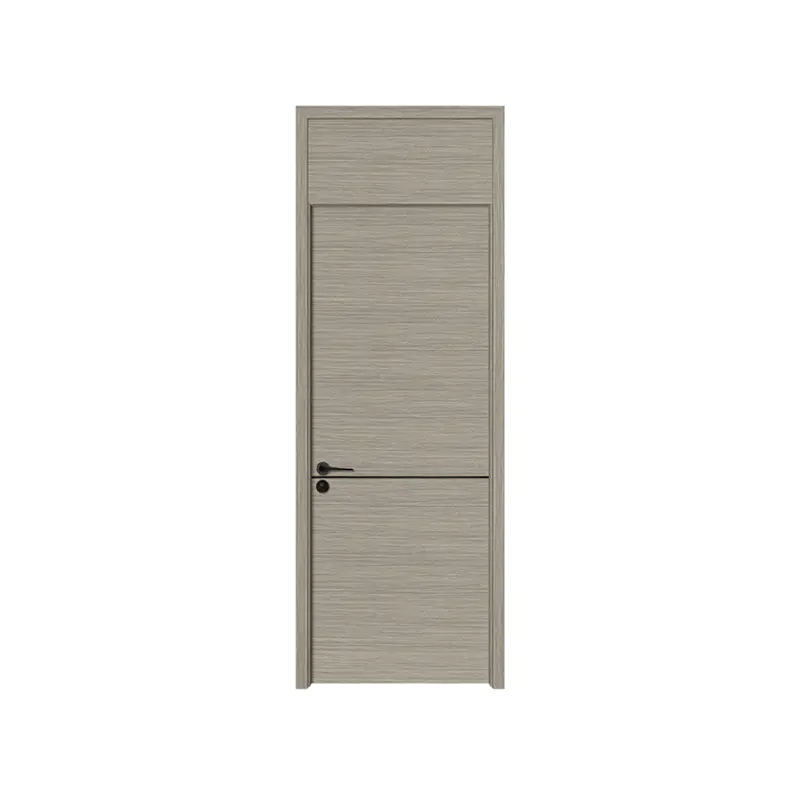
MDF doors get designed for a range of interior applications, including bedrooms, offices, bathrooms, storage areas, and other rooms around a home or office. Each of these spaces tends to call for a slightly different hardware arrangement based on how people actually use the room.
The door itself is only one piece of a larger installation. Its weight, thickness, opening direction, surrounding wall, how often it gets used, and the room's privacy needs all shape what hardware makes sense for the project.
This becomes especially relevant when comparing an MDF Door Vs Solid Core option, since the construction of the door affects how hinges, handles, locks, and closers actually get integrated into it.
Why Does Hardware Selection Matter for Custom MDF Doors?
Hardware is the connection point between the door and the people using it every day. A well-matched door can still feel clunky and inconvenient if the handle is awkward to operate or the hinges don't suit how the door gets used.
The reverse holds true just as much. A practical hardware arrangement can turn a plain interior door into something that opens, closes, secures, and stays maintained without a second thought.
| Hardware | Main Function | Common Project Consideration |
|---|---|---|
| Hinges | Allow the door to move | Door weight and opening frequency |
| Handles | Provide a gripping point | Comfort and room function |
| Locks | Control access or privacy | Security and room requirements |
| Door closers | Help control closing | Traffic and usage pattern |
| Door stops | Limit door movement | Wall and furniture protection |
The choice shouldn't rest on appearance alone, tempting as that is when browsing a hardware catalog. A decorative handle might suit the interior style perfectly while still feeling uncomfortable to grip every time someone walks through the door.
A lock might look compact and tidy on the shelf, but its installation still needs to match the actual door construction underneath it. For Custom MDF Doors, hardware works better when it gets folded into the overall design process rather than tacked on after the door has already been fully specified.
This kind of coordination tends to make the final installation feel a lot more deliberate and put-together.
How Should Hinges Be Matched With Different MDF Door Applications?
Hinges are easy to overlook because much of their structure stays hidden behind the door when it is closed. Their importance becomes clear when a door is opened and closed repeatedly throughout a busy day.
The hinge needs to support the door's weight while still allowing smooth, quiet movement. Its placement and installation also need to work in tandem with the surrounding frame rather than fight against it.
Different rooms create genuinely different usage patterns over the course of a week. A bedroom door might get opened and closed at a fairly relaxed pace, morning and night.
An office door tends to see far more frequent movement as people come and go throughout the workday. A storage room sees lighter use, while a shared interior door in a busy hallway can rack up repeated daily traffic from multiple people.
| Space | Hinge Selection Consideration |
|---|---|
| Bedroom | Comfortable everyday movement |
| Bathroom | Suitable for a humid interior environment |
| Office | Repeated opening and closing |
| Storage room | Simple and practical operation |
| Shared area | Frequent movement and durability |
Door construction matters here as well, not just the room where the door is installed. When comparing MDF Door Vs Solid Core, consider the door's overall structure before choosing a hinge arrangement, since the hardware should suit the actual door rather than being selected separately.
Installation quality carries just as much weight in practice. Poor alignment can throw off how a door closes and puts unnecessary stress on the hardware over time, wearing it out faster than it should.
A properly planned installation lets the hinges and frame work together the way they're supposed to. For projects spanning several rooms, sticking with a consistent hardware family can simplify both installation and ongoing maintenance while still leaving room for different functions where each space actually needs them.
What Handle Options Work With Custom MDF Doors?
Handles are highly noticeable pieces of door hardware because they are touched whenever the door is opened. This makes comfort and ease of use important considerations rather than details to address later.
A simple lever handle tends to work well for many interior rooms because it operates with a straightforward downward push, something even kids or people with limited grip strength can manage easily. Other handle styles come into play when the interior design calls for a different look entirely.
| Handle Type | Suitable Consideration |
|---|---|
| Lever handle | Easy everyday operation |
| Pull handle | Useful for selected door arrangements |
| Privacy handle | Suitable for rooms requiring personal privacy |
| Passage handle | Practical where locking is not needed |
| Decorative handle | Can coordinate with interior design |
The handle also needs to fit the room it's installed in. A bathroom benefits more from a privacy function than a plain passage arrangement, while a closet usually doesn't need the same locking setup a bedroom would.
With Custom MDF Doors, handle selection can become part of the broader visual design rather than a leftover decision. The shape, finish, and placement can get coordinated with the door surface and whatever furniture sits nearby in the room.
At the same time, appearance shouldn't push usability out of the picture entirely. A handle that looks attractive in photos but feels awkward in the hand turns into a small daily annoyance that adds up over months of use.
The more practical approach involves thinking through how people will actually reach for and operate the door, not just how the hardware photographs.
How Do Lock Choices Change Between Different Rooms?
Not every interior door calls for the same type of lock. A bedroom usually needs privacy above anything else, while a bathroom needs a clear way to secure the room without making access unnecessarily fiddly for a quick trip in and out.
A storage room, meanwhile, might only need a basic closing arrangement with no real locking function at all. The lock should reflect what the space is actually used for.
| Room | Locking Need |
|---|---|
| Bedroom | Personal privacy |
| Bathroom | Privacy and practical access |
| Office | Controlled access where required |
| Storage room | Basic access control |
| Utility area | Functional closing and access |
This is where project planning starts to matter quite a bit. The door manufacturer and hardware supplier need a clear picture of the intended application before anyone finalizes the hardware selection.
The lock also has to suit the door's internal structure, not just its surface. An MDF Door Vs Solid Core comparison shouldn't stop at the visible finish, since the internal construction shapes how hardware actually gets installed and supported inside the door.
For Custom MDF Doors, it helps to pin down the lock type during the design stage so the door can be prepped correctly from the start. That kind of upfront planning cuts down on changes needed during installation.
It also keeps the finished look around the handle and lock area looking clean rather than patched together on-site.
Why Are Door Closers Useful in Some Interior Spaces?
A door closer isn't necessary in every room of a home or office. In some spaces, people prefer leaving the door freely movable, swinging open and staying that way without any resistance.
In others, controlled closing genuinely makes the room easier to manage day to day. Busy offices, shared facilities, and certain utility areas often benefit from a door that swings itself back to closed after someone walks through.
The decision comes down to the room itself rather than the door alone.
| Application | Potential Door Closer Role |
|---|---|
| Office | Helps manage frequent door movement |
| Shared interior area | Supports consistent closing |
| Utility room | Keeps the door from remaining open |
| Private bedroom | May not be necessary |
| Bathroom | Depends on layout and intended use |
A closer also needs to match how the door actually gets used in practice. If people open the door often throughout the day, they need to be able to operate it comfortably without fighting the closing mechanism every time.
The closing action shouldn't turn ordinary, everyday movement into a small hassle. The surrounding space plays a role too, since furniture, narrow walkways, and doors positioned close together can all affect how a given door swings and settles.
That's another reason hardware planning works better alongside the room layout rather than as a separate decision made later. A Custom MDF Doors project can include different hardware configurations across different rooms instead of forcing one arrangement onto every space regardless of fit.
Are MDF Doors for Bathroom Suitable for Different Hardware Arrangements?
Bathrooms create a genuinely different interior environment compared to dry rooms elsewhere in a home. Moisture shows up naturally in a bathroom, and the door gets exposed to shifting humidity levels through ordinary daily use, showers included.
For MDF Doors for Bathroom, hardware needs consideration alongside both the door's construction and the room's environment together. The handle, hinges, lock, and other exposed components should get picked with regular bathroom conditions in mind from the start.
| Bathroom Hardware | Selection Focus |
|---|---|
| Hinges | Suitable for the room environment |
| Handle | Comfortable and practical to clean |
| Privacy lock | Supports personal privacy |
| Door stop | Helps protect nearby surfaces |
| Closer | Considered according to room layout |
The door's own surface treatment matters just as much here. Hardware can't make up for an unsuitable door construction or a sloppy installation job underneath it.
A bathroom door works well when specified as a complete system that considers the door, frame, hardware, and surrounding installation conditions together. Cleaning habits can also influence hardware selection in ways that may not be obvious during planning.
Smooth surfaces tend to be easier to keep clean in a room where moisture and regular wiping-down are just part of the routine. The same reasoning applies to hardware finishes.
A finish should fit both the visual design of the bathroom and the practical, everyday conditions the door will face inside it.
How Does MDF Door Vs Solid Core Affect Hardware Planning?
The difference between MDF Door Vs Solid Core isn't purely a question of how each door looks once it's installed. Door construction shapes handling, installation, and how hardware ends up integrated into the door itself.
MDF doors get designed for a wide range of interior applications, while solid core doors often come into play when a heavier, more substantial door structure feels like the right call for the space. The hardware needs to correspond with whichever door is actually going in.
| Planning Area | Why Construction Matters |
|---|---|
| Hinges | Need to suit the door structure |
| Handle | Requires appropriate mounting |
| Lock | Must fit the prepared door area |
| Door closer | Should correspond with the door's movement |
| Frame | Needs to work with the selected door |
None of this means one door construction locks a project into one hardware type automatically. The intended room and how often it gets used still matter just as much as the door itself.
A quiet bedroom and a busy office can end up with fairly different hardware needs even when both doors share similar construction underneath. Project planners do well to avoid treating hardware as a fixed package that gets copy-pasted onto every room without a second look.
Instead, door construction and room function work better considered together from the outset. That gives everyone involved a clearer basis for picking hinges, handles, locks, and closing devices that actually fit the job.
How Can Project Buyers Coordinate Door and Hardware Selection?
Hardware decisions get a lot easier to make when they're worked out before production and installation begin, rather than sorted out on the fly. A buyer can hand the door supplier details about the intended room, opening direction, how often the door will be used, privacy needs, and the look they're going for.
That kind of upfront information gives the supplier a much clearer picture of what the project actually needs. A practical project conversation tends to cover ground like this:
Room Function
Identify whether the door serves a bedroom, bathroom, office, storage area, or shared space in the layout.
Opening Pattern
Consider whether the door swings toward a wall, furniture, another door, or a common walkway that people pass through regularly.
Privacy Requirement
Determine whether the room genuinely needs a privacy lock or whether simple passage hardware covers what's needed.
Daily Use
Think through whether the door will see occasional use or get opened and closed repeatedly throughout the day.
Hardware Appearance
Choose handles and other visible components that actually work with the rest of the interior design around them.
Maintenance Needs
Consider how easily the hardware and door surfaces can be wiped down, cleaned, and checked over time.
This kind of communication helps prevent mismatched components from ending up on the final door. It also gives buyers a way to compare different Custom MDF Doors based on the complete installation rather than judging a door purely by its surface finish.
For suppliers, understanding the actual project application makes it a lot easier to put together suitable hardware options for whatever space is being outfitted. The end result is a door system where the door, frame, hinges, handles, locks, and closing components all get chosen with the same room requirements guiding every piece.
Interested in cooperation or have questions?


 +86-13857003056
 No. 27 Lianhuashan Avenue, Jiangshan Economic Development, Jiangshan, Quzhou, Zhejiang, China
Copyright © Zhejiang Kings Home Decor Co., Ltd. All Rights Reserved.

Interior Wood Door Manufacturer