

 English
 русский
 Français
 Español
 عربى
عربىHow Do Custom MDF Doors Improve Cabinet Appearance?
Walking into a kitchen with refreshed countertops, new paint, and updated lighting, yet still sensing that the space feels dated, is a common frustration that can be difficult to explain. Custom MDF Doors often become the overlooked detail that changes the overall impression, as cabinet doors strongly influence the visual character of the room. Replacing worn or outdated panels can create a noticeable shift when other updates have already been completed.
This is not simply about choosing a fashionable color. Recognizing what makes cabinet doors appear outdated and what helps a replacement feel more current is an important step before selecting a material or design style. If the room still feels behind after other improvements, taking a closer look at the cabinet doors may reveal the reason.
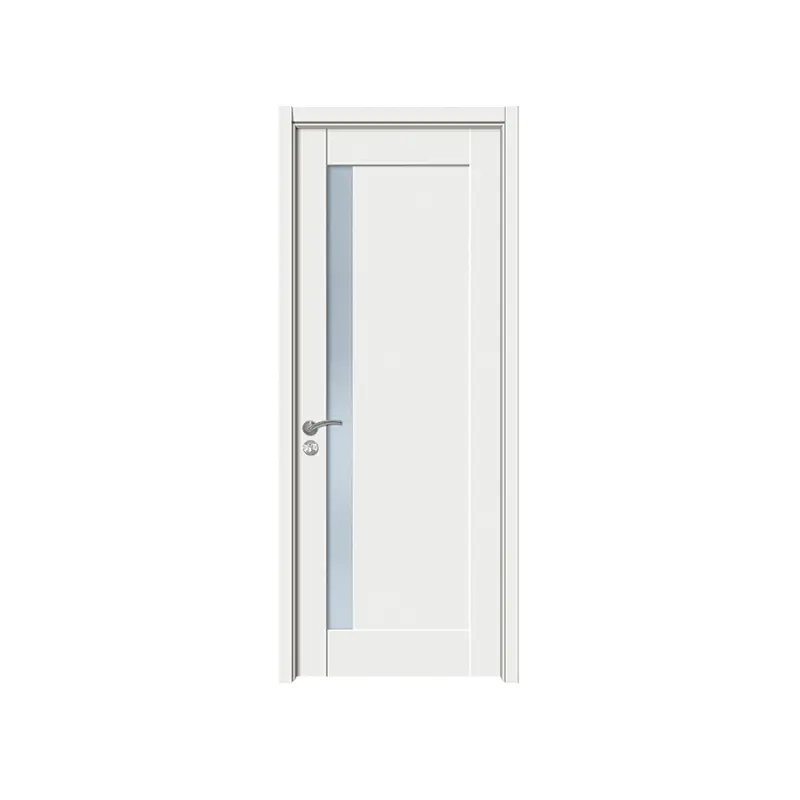
What Actually Makes Cabinet Doors Look Outdated?
A few recurring visual cues explain why certain cabinet doors instantly signal an earlier design era, even when the rest of a kitchen or bathroom has been refreshed.
- Heavy raised panel profiles with ornate detailing tend to read as dated against the cleaner, flatter aesthetics that dominate current interior trends.
- Yellowed or heavily varnished wood finishes, common in older cabinetry, clash visually with the lighter, more neutral palettes popular in modern spaces.
- Worn hardware, chipped edges, or warped panels create an aged appearance regardless of the underlying design style.
- Surface textures and grain patterns that were fashionable decades ago often stand out awkwardly next to newer, smoother design elements elsewhere in the room.
- Door proportions themselves, overly bulky stiles and rails, for instance, can feel visually heavy compared to the slimmer profiles common in contemporary cabinetry.
None of these issues necessarily mean the cabinet structure itself has failed. Often the boxes underneath remain perfectly functional, it's specifically the door surface and design language pulling the whole space toward an outdated feel.
Does the Whole Cabinet Need Replacing, or Just the Doors?
This question comes up constantly, and the answer usually favors a more targeted approach than people initially assume. Cabinet boxes, the structural framework holding everything together, generally last considerably longer than the doors themselves, since doors face more direct wear from daily opening, closing, and hand contact.
Replacing just the door panels, while keeping the existing cabinet structure intact, tends to deliver a dramatic visual update without the cost, disruption, or waste involved in a full cabinet overhaul. This approach works particularly well when the underlying boxes remain structurally sound, with the outdated look concentrated almost entirely in surface appearance rather than functional integrity.
Why Are MDF Doors Becoming the Go-To Upgrade Option?
Once homeowners decide door replacement makes more sense than a full cabinet swap, MDF consistently comes up as a strong material choice, and understanding why helps clarify whether it fits a specific renovation goal.
- Surface consistency across MDF panels allows for smooth, even paint or laminate finishes without the grain texture or knots that complicate achieving a clean, modern look with solid wood.
- Design flexibility lets manufacturers machine detailed profiles, flat contemporary panels, or anything between, adapting easily to whatever current style direction a homeowner wants.
- Cost efficiency generally beats comparable solid wood replacement, particularly for larger kitchens requiring many matching door panels.
- Dimensional stability keeps panels from warping or shifting under normal humidity changes, a common complaint with certain aging solid wood cabinet doors.
None of this means MDF wins in every single scenario, but for homeowners specifically chasing a clean, current aesthetic without a steep budget, it consistently checks the boxes that matter most.
What Should You Know About PVC MDF Door Options?
Within the broader MDF category, PVC-wrapped or PVC MDF door products deserve particular attention, since this combination addresses a few practical concerns beyond pure aesthetics.
The PVC surface layer adds moisture resistance beyond what raw MDF alone provides, making it a genuinely practical choice for kitchen and bathroom cabinetry facing regular humidity and splash exposure. This coating also simplifies cleaning considerably, since the smooth, sealed surface resists staining and wipes clean easily compared to more porous or textured alternatives. For homeowners specifically renovating spaces with higher moisture exposure, this combination often solves both the outdated appearance problem and a genuine durability concern simultaneously.
How Does MDF Compare to Solid Core Doors for This Kind of Upgrade?
This comparison deserves honest treatment, since both options serve genuine purposes depending on what a specific renovation actually prioritizes.
| Factor | MDF Doors | Solid Core Doors |
|---|---|---|
| Surface finish quality | Smooth, ideal for paint | Natural wood grain visible |
| Cost for matching panel sets | Generally lower | Generally higher |
| Moisture resistance | Good, especially with PVC coating | Varies by wood species and sealing |
| Weight | Moderate, consistent | Often heavier, varies by species |
| Design flexibility | High, machines cleanly into varied profiles | Limited by natural wood characteristics |
Reading through this comparison against your specific renovation goals, matching finish quality, budget for the full panel set, moisture exposure in the space, helps determine which material genuinely fits before committing to an order.
Which Application Settings Call for Extra Consideration?
Not every cabinet door application places the same demands on material choice, and recognizing these differences avoids selecting the wrong product for a specific space.
Kitchen and bathroom cabinetry, facing regular moisture and temperature fluctuation, benefits considerably from PVC-coated MDF options rather than uncoated panels that could swell or degrade under sustained humidity exposure. Living room or bedroom cabinetry, facing far less moisture stress, opens up more flexibility toward standard MDF or even solid wood, since durability against splashing and steam matters far less in these environments. Commercial or high-traffic settings, hospitality cabinetry or office storage, often benefit from the consistent, repeatable panel quality that manufactured MDF door production delivers across large matching orders, something considerably harder to achieve consistently with natural wood variation.
How Should Homeowners and Designers Approach the Replacement Process?
Once the decision to replace doors rather than full cabinets is settled, a few practical steps help the process go smoothly.
- Measure existing door openings accurately, since even minor discrepancies create fitting problems once new panels arrive.
- Decide on finish direction early, painted, laminated, or veneered, since this choice shapes both cost and the specific MDF product variant needed.
- Confirm hardware compatibility, particularly hinge placement, since older cabinet boxes sometimes use hinge configurations that don't automatically match newer door designs without adjustment.
- Request samples where possible before committing to a full order, since color and finish can look different in person compared to online product images.
Working through these steps carefully before placing a bulk order helps avoid the frustration of receiving panels that don't quite fit or match the intended finish once installation actually begins.
Bringing an Outdated Kitchen Into a Current Design Direction
Recognizing why cabinet doors read as outdated, heavy profiles, aged finishes, worn hardware, gives homeowners and designers a clear starting point for planning a renovation that actually addresses the root visual problem rather than layering new fixtures around doors that were never going to look current regardless of what surrounds them. Replacing just the door panels, particularly with a manufactured option offering smooth finishing and reliable moisture resistance, delivers a genuinely dramatic transformation without the cost and disruption a full cabinet replacement would demand, especially when the underlying cabinet structure remains sound. Matching material choice to the specific room, prioritizing moisture resistance in kitchens and bathrooms while allowing more flexibility elsewhere, ensures the final result holds up both visually and functionally over time rather than needing another update within just a few years. Zhejiang Kings Home Decor Co., Ltd. works with homeowners, designers, and cabinetry businesses on Custom MDF Doors built for exactly this kind of renovation, offering the finish options, moisture-resistant coatings, and manufacturing precision needed to bring a dated kitchen or bathroom into a genuinely current design direction, and welcomes inquiries from anyone ready to move from planning into an actual sourcing conversation.
Interested in cooperation or have questions?


 +86-13857003056
 No. 27 Lianhuashan Avenue, Jiangshan Economic Development, Jiangshan, Quzhou, Zhejiang, China
Copyright © Zhejiang Kings Home Decor Co., Ltd. All Rights Reserved.

Interior Wood Door Manufacturer