

 English
 русский
 Français
 Español
 عربى
عربىHow Do Material Differences Affect MDF Door and Solid Core Door?
Standing in a showroom, many interior doors can appear almost alike at a glance — similar panel designs, matching finishes, and price points placed close together. What's actually happening on the inside is where things split apart. That hidden construction ends up shaping how a door installs, how it holds up over years of use, and how it feels every time someone pushes it open on their way to grab coffee. This is exactly why MDF Doors and solid core doors get compared so often before anyone commits to buying. From across a room, the two can look nearly identical. Same color, same handle, same trim work around the frame. Crack one open, though, and the difference becomes obvious pretty quickly — because what's inside the door is doing the real work. Getting a handle on those material differences helps homeowners, architects, builders, and whoever's managing the purchasing side actually pick based on what a project needs, rather than guessing off a photo.
What's Actually Different Between These Two Doors?
Both get used constantly for interior spaces, but they're built from genuinely different starting points.
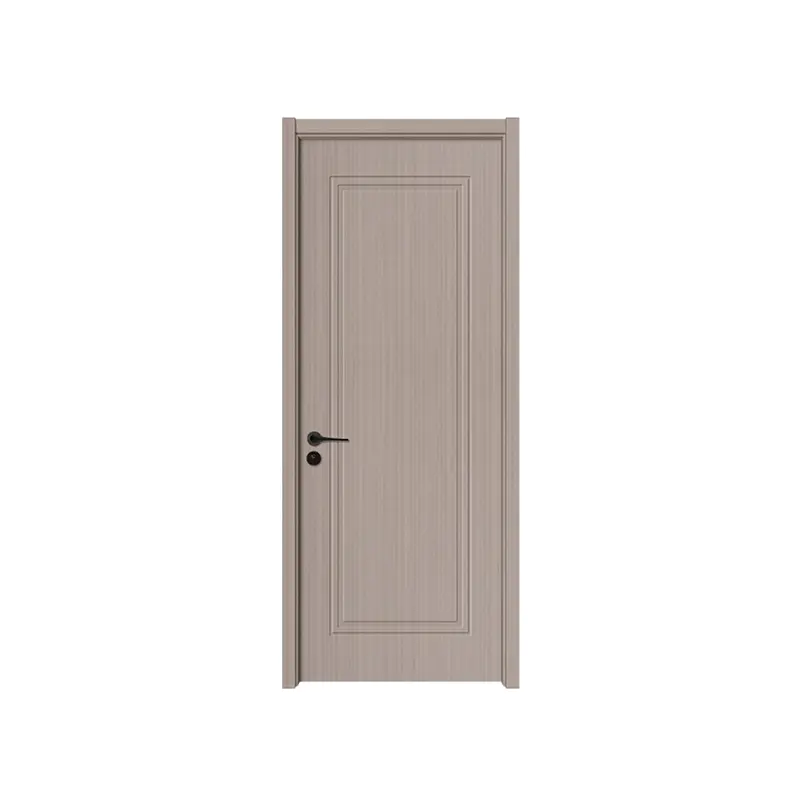
An MDF Door comes together using medium-density fiberboard as its main material. That smooth, even surface is a big reason designers reach for it — takes paint and decorative finishes really evenly, which matters a lot when trying to match a look across several rooms.
A solid core door hides a dense filling underneath its outer shell. Looks similar from outside, sure, but that internal structure changes how the whole thing behaves — heavier in the hand, a bit sturdier feeling when it swings shut.
Both are doing the same basic job as interior doors. What's packed inside them, though, nudges each one toward slightly different projects.
Why Does This Material Choice Actually Matter?
Picking a material isn't just about looks, even though that's usually where people start.
Every project cares about different things. Some renovations are chasing a consistent, coordinated look across multiple rooms. Others care more about how easy the door will be to maintain five years down the line. Some involve replacing a door into an existing frame that's already there, quirks and all. Others are part of a fresh build where nothing's constrained yet.
Choosing between MDF and solid core usually starts with identifying which qualities matter for the specific space being considered.
Instead of searching for one solution that suits every situation, buyers often compare materials based on the actual needs of their projects.
How Different Is the Construction, Really?
Both doors are built for interior use, but what's happening inside pulls them apart.
| What's Compared | MDF Door | Solid Core Door |
|---|---|---|
| Main material | medium-density fiberboard | a dense internal core |
| Surface feel | smooth, consistent | depends on the outer finish |
| Where it's used | interior spaces | interior spaces |
| What drives the pick | design flexibility | structural feel |
None of this means one door replaces the other outright. It's really about matching the construction to what the room and project actually call for.
Does Material Actually Change How a Door Looks?
A lot of purchasing decisions start with appearance, honestly, which makes sense.
Surface consistency. MDF's known for that smooth, even surface — takes paint or laminate finishes without much fuss, which helps a lot when someone's trying to keep five bedroom doors looking identical throughout a house.
Room for design choices. Both MDF and solid core doors come in plenty of styles. Neither one locks a project into a single look — material choice just shapes which options actually make sense.
Fitting into the bigger picture. A door's just one piece of a room's overall design. It needs to sit well alongside flooring, wall color, trim, furniture — everything else already decided. Material plays a quiet role in whether that balance actually comes together.
How Does Material Show Up in Everyday Use?
Appearance grabs the spotlight while shopping. Once the door's actually installed, everyday use starts mattering a lot more.
Opening and closing a door dozens of times a week, over months and years, gradually builds a person's actual impression of it — how it feels in the hand, whether it swings smoothly, whether it still looks decent after regular contact.
Material shapes that experience quietly. It's not really about changing what the door does — open, close, that's the job either way — but about how that basic function actually feels day to day. That's a big reason builders and designers weigh construction alongside appearance before landing on a recommendation.
Which Door Fits Which Kind of Space?
Different buildings pull priorities in different directions.
Homes usually care about comfortable, livable spaces that just work without fuss. Offices tend to value consistency across a bunch of rooms that all need to look coordinated. Hospitality projects worry about visual flow — guests moving room to room shouldn't notice jarring inconsistencies. Schools often lean toward whatever's practical to maintain, given the traffic hallway doors deal with.
| Setting | MDF Door | Solid Core Door |
|---|---|---|
| Homes | frequently chosen | frequently chosen |
| Apartments | commonly used | commonly used |
| Offices | works well | works well |
| Hotels | widely applied | widely applied |
| Schools | used across many projects | used across many projects |
| Commercial interiors | often considered | often considered |
Both materials genuinely show up across all these settings, mostly because different projects are chasing different priorities, not because one material's inherently better.
What Should Someone Weigh Before Actually Buying?
Choosing a door involves a bit more thought than flipping through product photos.
Where's this door going? Different rooms create different demands — a bathroom door and an office door aren't really facing the same daily reality.
Renovation or new build? Existing frames, hardware, and surrounding finishes shape what's actually compatible if this is a replacement project.
How much does maintenance actually matter here? Routine cleaning and inspection become part of managing a building over time. Matching the door to realistic maintenance expectations tends to pay off later.
Does it fit the design without fighting it? The door should support the room's overall style, not clash awkwardly against everything surrounding it.
Working through these upfront usually simplifies the whole selection process quite a bit.
Does Material Choice Affect Bigger, Multi-Room Projects?
Larger projects usually involve several rooms at once, and keeping things consistent becomes its own consideration.
Picking materials that support one overall design concept helps create a look that actually holds together across a whole building, rather than feeling patched together room by room. Maintenance planning gets easier too when similar products are running throughout different areas — fewer things to remember, fewer different care routines to juggle.
That doesn't mean every single room needs the identical door. It just means the material picked for each space should reflect what that specific room actually needs while still supporting the bigger design plan running through the whole project.
Why Do Designers Bother Comparing These Materials at All?
Architects and designers rarely pick doors purely on looks, even when it seems that way from the outside.
Material shapes installation planning, how well the door fits with surrounding finishes, what maintenance actually looks like down the road, and how the space feels once everything's finished and lived in.
Comparing MDF against solid core lets project teams weigh how each material actually supports what the building's trying to accomplish. Rather than fixating on one trait in isolation, professionals tend to look at how the door becomes part of the whole finished interior — which usually leads to a more balanced call than judging on appearance alone.
Does Understanding These Differences Actually Help With Decisions?
Getting a handle on how material shapes MDF Doors versus solid core doors gives real direction during planning, buying, and installation. Rather than treating one as a straight swap for the other, buyers can weigh each option against actual project goals, design preferences, maintenance expectations, and whatever the space is realistically going to be used for. Material selection ends up being one piece of a bigger puzzle — one that ties appearance, everyday function, and practical building needs together across all kinds of residential and commercial interiors.
Interested in cooperation or have questions?


 +86-13857003056
 No. 27 Lianhuashan Avenue, Jiangshan Economic Development, Jiangshan, Quzhou, Zhejiang, China
Copyright © Zhejiang Kings Home Decor Co., Ltd. All Rights Reserved.

Interior Wood Door Manufacturer