

 English
 русский
 Français
 Español
 عربى
عربىWhat Are the Pros and Cons of MDF Door vs Solid Core?
Picking an interior door sounds like a five-minute decision until someone actually starts shopping. Color and style get sorted out pretty fast. What trips people up is what's hiding inside the door itself — because that construction ends up shaping how the thing feels every single time it swings open, long after the paint color's been forgotten. MDF Doors and solid core doors come up constantly in these conversations, mostly because both show up everywhere — homes, offices, hotel hallways, you name it. From across a room they can look nearly identical. Crack one open and close it a few times, though, and the differences start showing. This isn't really about crowning one winner. It's more useful to think through what each one actually brings to a specific room, a specific budget, a specific everyday routine.
What's Actually Inside an MDF Door?
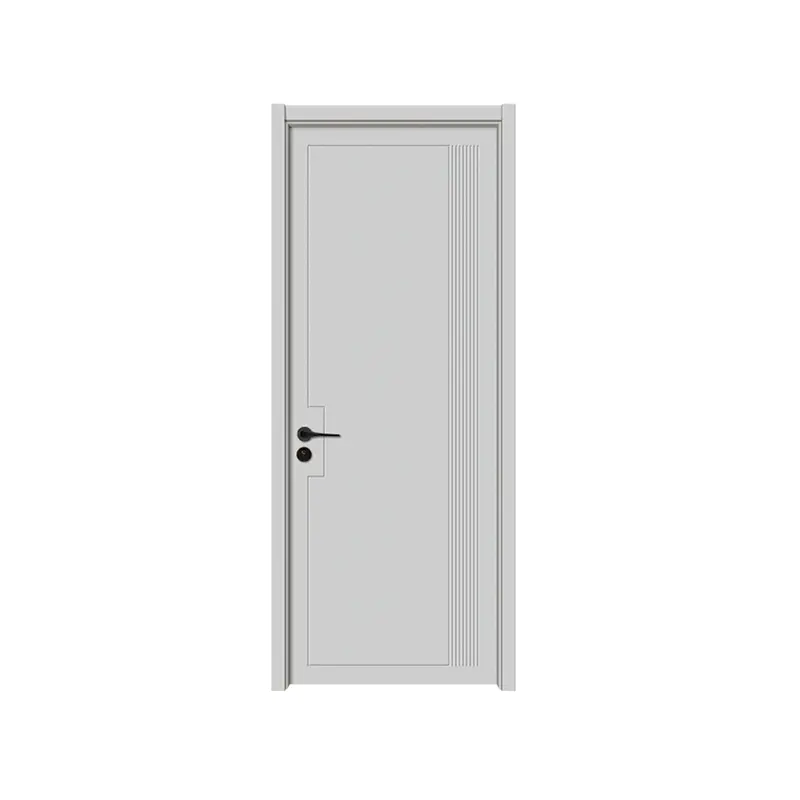
MDF stands for medium-density fiberboard, and that's basically the backbone of this door type. It's built for interior use where a clean, consistent look matters — think apartments, offices, newer builds where a smooth, uniform surface fits the overall design.
A lot of MDF Doors come with surfaces that take paint or decorative finishes really well, which is part of why designers reach for them so often. They show up in homes, apartments, offices, hotels, schools — basically anywhere someone wants a door that looks put-together without a ton of visual noise.
This material isn't meant to stand alone, really. It's built to become part of a whole door system — frame, hardware, finish, all working together.
What's Actually Inside a Solid Core Door?
A solid core door hides a dense internal filling underneath its outer surface. From the hallway, it might look nearly indistinguishable from an MDF Door. Push it open, though, and the weight tells a different story almost immediately.
People often reach for this type when they want that heavier, more substantial feel — the kind of door that doesn't rattle or feel hollow when it swings shut. Shows up plenty in homes, but also in commercial buildings where interior partitions need to hold up to regular use, sometimes heavy foot traffic.
Same as with MDF, whether this actually makes sense for a project comes down to what the space actually needs, not just one standout trait.
How Different Are These Materials, Really?
Both doors are built for interior use, sure, but what's happening underneath the surface pulls them apart a bit.
| What's Compared | MDF Door | Solid Core Door |
|---|---|---|
| What it's built from | fiberboard-based material | a dense internal core |
| How the surface looks | smooth, consistent | depends on the outer finish chosen |
| Where it's typically used | interior spaces | interior spaces |
| What drives the choice | matching a design style | matching specific project needs |
None of this suggests one door replaces the other outright. It's really about figuring out which construction actually fits the room and the budget in front of you.
What Actually Works in Favor of MDF Doors?
A lot of buyers land on MDF because it slots into so many different design styles without much fuss.
A surface that plays nicely with finishes. Paint, laminate, decorative coatings — MDF tends to take all of it evenly, which matters a lot for anyone trying to match a specific look across a whole house or office.
Consistency from door to door. Since it's manufactured under fairly controlled conditions, buying five of these for five different bedrooms usually means they'll actually look the same once installed — no weird variation between units.
Room to play with style. MDF comes in a wide spread of design options, so architects and homeowners aren't boxed into one look.
Shows up nearly everywhere. Homes, offices, hotels, schools — this material's found its way into a lot of different building types, which says something about how adaptable it actually is.
What Actually Works in Favor of Solid Core Doors?
Solid core doors earn their spot for different reasons, mostly tied to how they behave during actual daily use.
That heavier, sturdier feel. People notice this almost immediately — closing a solid core door just feels different, more substantial, compared to something hollow or lighter.
Shows up across a wide mix of buildings. Homes, offices, healthcare facilities, hotels, commercial spaces — solid core doors turn up in all of these, often specifically because of how they handle regular use over time.
Works with different design approaches. The outer finish can lean traditional or modern, so it's not locked into one aesthetic. Material choice here becomes part of a bigger design conversation rather than the whole decision by itself.
Where Does Each One Actually Fall Short?
Every building material comes with some tradeoff attached. Pretending otherwise doesn't help anyone make a good decision.
With MDF Doors, things worth thinking through include:
- what environment it's actually going into
- how maintenance will realistically get handled
- whether it fits what the rest of the project actually needs
- how it lines up with the broader interior design plan
With solid core doors, similar questions come up:
- what the installation process will actually involve
- how the budget lines up with the project overall
- whether existing door frames will actually accommodate it
- how it fits into the building's overall design intentions
Considering both strengths and limitations provides a clearer comparison than focusing only on the positive aspects of either option.
Which One Fits Which Kind of Project?
Different buildings pull priorities in different directions.
A home renovation usually leans toward appearance and everyday convenience — does it look right, does it work smoothly every day. An office remodel often cares more about keeping interior spaces visually consistent across dozens of rooms. Hospitality projects worry about visual flow across many rooms that guests will see back-to-back. Schools tend to prioritize whatever's easiest to maintain over the long haul, given how much foot traffic hallway doors deal with.
| Setting | MDF Door | Solid Core Door |
|---|---|---|
| Homes | commonly used | commonly used |
| Apartments | frequently chosen | frequently chosen |
| Offices | works well | works well |
| Hotels | widely used | widely used |
| Schools | shows up often | shows up often |
| Commercial interiors | often considered | often considered |
Honestly, the application usually matters more here than the material picked in isolation.
What Should Someone Actually Think Through Before Buying?
A few practical questions can help remove much of the uncertainty surrounding this decision.
Where's this door actually going? A bathroom, bedroom, and office all create slightly different demands. Knowing the room narrows the field fast.
What's the design actually calling for? The door needs to fit the overall look of the space, not stick out awkwardly against everything around it.
How much does long-term upkeep matter? Cleaning, wear, general maintenance — these become part of everyday building life whether anyone thinks about it upfront or not.
Does the existing frame actually match? Replacement projects especially run into this — an existing frame and hardware setup that doesn't quite line up with the new door creates extra installation work nobody wants.
How Does Material Choice Actually Show Up in Daily Life?
Appearance grabs attention the second someone walks through a door. What sticks around longer is the everyday experience — how it feels swinging open every morning, how easy it is to wipe clean, whether it still looks decent next to the surrounding trim a few years down the line.
Material choice shapes all of that quietly, without necessarily changing how a room looks dramatically on day one. It's less about transforming the space visually and more about how that space actually functions once people are living or working in it every day.
That's really why designers and builders end up weighing material characteristics right alongside whatever's happening visually — because the two end up tangled together over time.
Why Does the Project Matter More Than the Material Alone?
No door type fits every building equally well, no matter how good the marketing sounds. Homes, offices, hotels, schools, commercial spaces — each one pulls priorities in a slightly different direction. A project aiming for a modern, unified appearance may place more attention on surface consistency and available style choices. Another project might care more about how the door actually feels day after day, year after year, under regular use. Understanding which priority actually matters for a given space makes comparing MDF and solid core doors a lot more practical than hunting for some universal right answer. Instead of assuming one material works everywhere, it helps to look at the actual room, the actual budget, and the actual daily routine the door's going to be part of — then let that guide the decision.
Interested in cooperation or have questions?


 +86-13857003056
 No. 27 Lianhuashan Avenue, Jiangshan Economic Development, Jiangshan, Quzhou, Zhejiang, China
Copyright © Zhejiang Kings Home Decor Co., Ltd. All Rights Reserved.

Interior Wood Door Manufacturer