

 English
 русский
 Français
 Español
 عربى
عربىHow Does a Veneer Door Factory Turn Raw Wood Into Interior Design Elements?
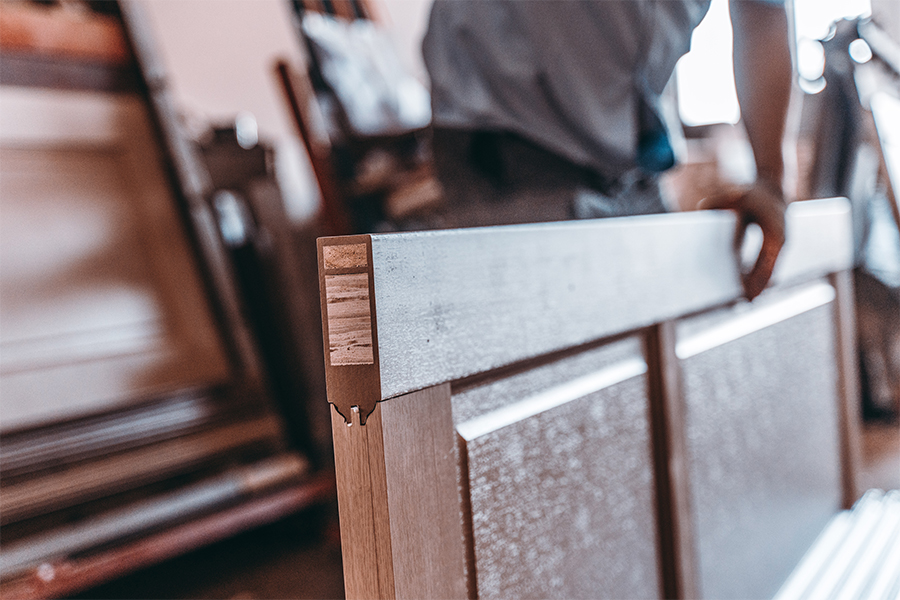
When people think about interior doors, they often picture the finished product installed in a home or office. What is less visible is the journey behind it. Inside a Veneer Door Factory, the process involves much more than assembling wooden panels. It combines material preparation, careful layering, and controlled finishing steps that gradually transform thin sheets of wood into doors used in everyday spaces.
Understanding how a Veneer Door Factory works helps explain why veneer doors are widely used in residential and commercial interiors. The process brings together natural materials and structured manufacturing methods in a way that balances appearance and consistency.
The Starting Point: Thin Layers of Natural Wood
The process begins with veneer sheets. Veneer is created by slicing logs into very thin layers of real wood. These sheets carry the natural grain patterns that give veneer doors their visual character.
At a Veneer Door Factory, the veneer sheets are sorted according to grain direction, color tone, and thickness. Workers or automated systems examine each sheet to ensure it fits the intended door style. Some sheets are paired together so the grain patterns mirror each other across the door surface.
This step may appear simple, yet it plays a large role in how the final door looks once installed.
Building the Door Structure
After veneer selection, attention shifts to the internal structure of the door. A Veneer Door Factory usually relies on an engineered core such as MDF, plywood, or laminated timber strips. These cores help maintain stability while supporting the thin veneer layer.
The veneer sheets are then pressed onto the core panels using adhesives and controlled pressure. This process bonds the materials together while preserving the natural grain.
Typical structural layers may include:
- Engineered wood core for strength
- Thin veneer sheets for surface appearance
- Adhesive bonding layers
- Protective finishing coats
Because veneer itself is thin, the underlying core plays a major role in maintaining the door’s shape over time.
Surface Finishing and Visual Details
Once the panels are assembled, the Veneer Door Factory moves into the finishing stage. This step focuses on enhancing the surface while protecting the natural wood layer.
Finishing methods often include sanding, staining, and coating. Some doors keep the natural color of the veneer, while others receive tinted finishes that adjust the tone.
Design variations may involve:
- Horizontal or vertical grain alignment
- Symmetrical veneer matching
- Carved panel patterns
- Subtle frame structures
These small adjustments allow the same base materials to support many interior styles, from minimalist apartments to classic hotel interiors.
Where Veneer Doors Are Commonly Used
The products leaving a Veneer Door Factory are installed in many different environments. Their natural appearance makes them adaptable to various architectural settings.
| Application | Reason for Use |
| Residential housing | Natural wood appearance within controlled budgets |
| Office buildings | Warm material that softens modern interiors |
| Hotels | Consistent design across multiple rooms |
| Apartments | Efficient production for large housing projects |
Because veneer doors combine engineered cores with natural surfaces, they offer a balance between design flexibility and manufacturing efficiency.
Balancing Craft and Production
Modern manufacturing often relies on automated equipment, yet craftsmanship still plays a role in veneer door production. Workers inspect veneer alignment, adjust grain patterns, and ensure the finishing process highlights the wood texture rather than hiding it.
Inside a Veneer Door Factory, technology and manual observation often work together. Machines handle pressing and cutting, while trained staff focus on material selection and visual quality.
This combination allows factories to produce doors at scale while keeping the natural character of wood visible.
A Process Hidden Behind Everyday Spaces
Interior doors rarely attract much attention once installed, but their production involves several stages of material preparation and careful assembly. The work done inside a Veneer Door Factory quietly supports the appearance and function of many interior environments.
From thin veneer sheets to finished panels, the process connects natural wood with modern manufacturing methods. The result is a door that fits into homes, offices, and hospitality spaces while carrying the texture of real wood.
Although the factory floor is rarely seen by homeowners, the steps taken there shape how interior spaces feel long after construction is finished.
Interested in cooperation or have questions?


 +86-13857003056
 No. 27 Lianhuashan Avenue, Jiangshan Economic Development, Jiangshan, Quzhou, Zhejiang, China
Copyright © Zhejiang Kings Home Decor Co., Ltd. All Rights Reserved.

Interior Wood Door Manufacturer