

 English
 русский
 Français
 Español
 عربى
عربىWhy Does a Wooden Door Still Matter in Modern Interiors?
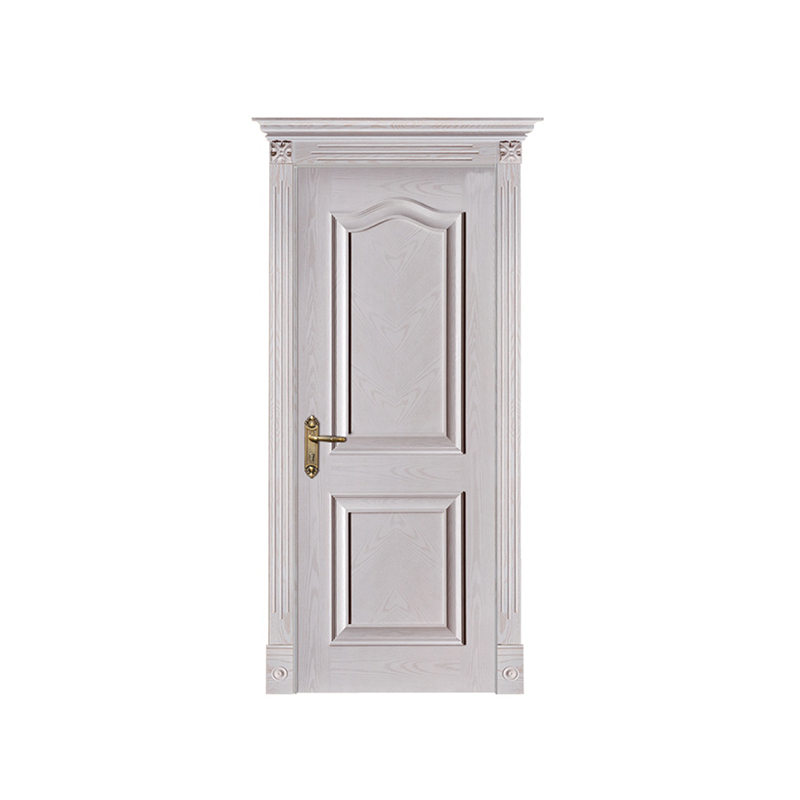
In many homes and buildings, doors are installed and quickly forgotten. People focus on furniture, lighting, or wall colors, while doors remain part of the background. Yet a Wooden Door quietly influences how a room looks, sounds, and feels.
Even with the growth of metal, glass, and composite materials, wood remains widely used for interior doors. Its natural texture and adaptable design allow it to fit into different styles, from traditional houses to modern apartments. For builders and homeowners alike, choosing a Wooden Door often involves balancing appearance, function, and daily practicality.
More Than a Simple Barrier
At a basic level, a door separates spaces. But it also guides how people move through a home or building. The material used in a door can affect sound levels, visual warmth, and even how light interacts with the room.
A Wooden Door offers a combination of structure and visual character. Wood surfaces can carry grain patterns, natural tones, or painted finishes, making the door feel like part of the room rather than just a divider.
Because wood is relatively easy to shape, doors can include carved lines, panels, or simple geometric designs. These details allow designers to coordinate the door with cabinets, floors, or wall moldings.
Design Flexibility in Different Homes
Interior trends change over time, but wooden doors remain adaptable. A single material can support various design approaches.
For example:
- Minimalist apartments often use flat wooden panels with light colors.
- Traditional houses may include raised panels or carved frames.
- Modern offices sometimes choose darker finishes for a calm atmosphere.
In these cases, a Wooden Door becomes part of the visual rhythm of the interior. When multiple doors share similar finishes, hallways and rooms feel more connected.
Another advantage is that wood works well with other materials. Glass inserts, metal handles, and painted frames can all be combined with a wooden panel.
Where Wooden Doors Are Commonly Used
Although building materials have expanded, wooden doors remain common in many environments. Their versatility makes them suitable for both residential and commercial interiors.
| Location |
Why Wooden Doors Are Use |
| Bedrooms | Warm appearance and privacy |
| Living rooms | Decorative panel options |
| Offices | Neutral designs that fit many layouts |
| Hotels | Consistent interior style across rooms |
These environments often require doors that look consistent while still handling frequent use. In such settings, a Wooden Door provides a familiar and comfortable presence.
Maintenance and Everyday Use
One reason wooden doors remain popular is their manageable maintenance. Basic care—such as wiping the surface and checking hinges—usually keeps them in good condition.
However, indoor humidity and installation quality can influence how the door performs over time. Proper sealing and finishing help reduce moisture absorption. When maintained well, a Wooden Door can continue functioning smoothly for many years.
In some renovation projects, older wooden doors are even refinished rather than replaced. Sanding and repainting the surface can refresh the appearance without changing the entire structure.
A Small Element with Lasting Influence
When walking through a home, people rarely stop to admire the doors. Still, these elements quietly shape how rooms connect and how spaces feel.
The continued presence of the Wooden Door in homes, offices, and hotels shows how traditional materials can remain relevant in changing design environments. Its balance of structure, adaptability, and natural appearance makes it suitable for many interior settings.
In the end, a door is something we interact with every day. And sometimes, a simple Wooden Door can influence a space more than we initially notice—guiding movement, supporting design choices, and adding a subtle sense of warmth to everyday environments.
Interested in cooperation or have questions?


 +86-13857003056
 No. 27 Lianhuashan Avenue, Jiangshan Economic Development, Jiangshan, Quzhou, Zhejiang, China
Copyright © Zhejiang Kings Home Decor Co., Ltd. All Rights Reserved.

Interior Wood Door Manufacturer