

 English
 русский
 Français
 Español
 عربى
عربىHow MDF PVC Doors Handle Scratches in Busy Commercial Areas
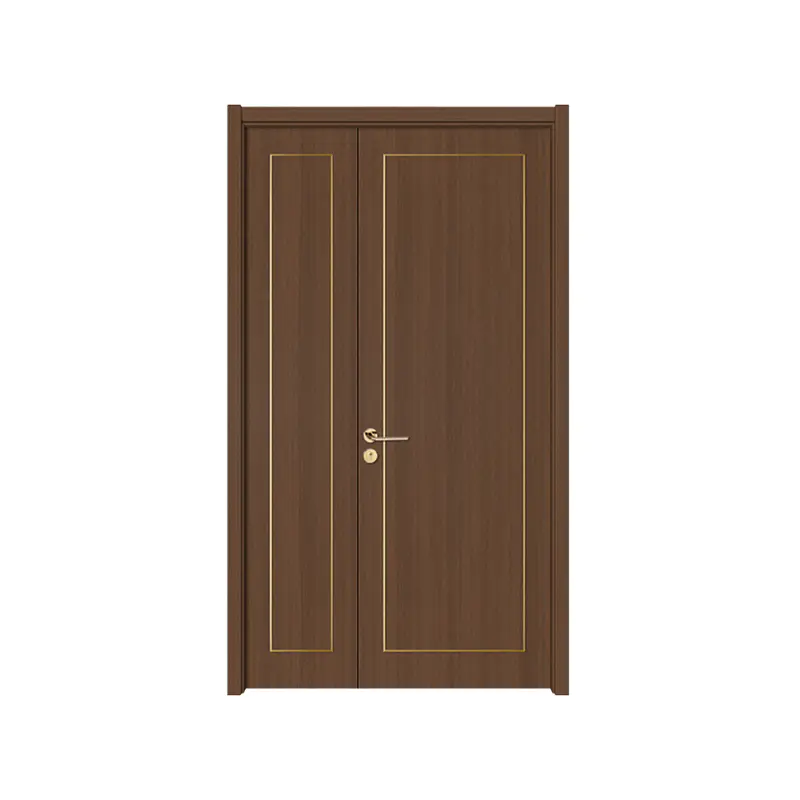
Scuffed edges. Dull patches where a cart keeps clipping the same spot. A finish that looked fine at handover and now, eighteen months later, looks tired in every hallway on the floor. Anyone managing a hotel, school, or office building knows this pattern, and it is exactly why MDF PVC Doors keep coming up whenever someone starts researching how to stop the damage before it happens again. High traffic does not forgive a weak finish. It finds every soft spot and wears through it, month after month, cart after cart, shoulder bump after shoulder bump. Interior designers, contractors, property developers, building material importers, door distributors, and commercial interior firms all eventually run into the same question. What actually holds up in a corridor that sees hundreds of passes a day, and what just looks good in a showroom before falling apart under real use?
Why Do Doors Wear Out So Fast in High Traffic Areas?
Foot traffic alone does not do much damage to a door surface. It is everything that travels alongside the foot traffic that causes the real wear: rolling carts, luggage corners, cleaning equipment, the occasional shoulder or elbow brushing past on a busy morning. Multiply that by dozens of passes daily, and a surface not built for constant contact starts showing scuffs, dents, and dull patches within a surprisingly short stretch of use.
A few factors tend to determine how fast this wear shows up:
- Surface finish type, since some materials resist abrasion far better than others
- Base material strength, which affects how the door holds up to impact beneath the surface finish itself
- Edge protection, since corners and edges typically take the brunt of cart and equipment contact
- Cleaning frequency and method, since harsh chemicals or abrasive cleaning tools accelerate surface wear over time
- Overall usage volume, since a hospital corridor or hotel hallway experiences considerably more contact than a quiet office suite
Does Surface Finish Matter More Than the Door Material Underneath?
Both matter, honestly, but finish tends to take the earliest hit. A painted surface, for instance, chips and scratches more readily than a laminate or PVC coated alternative, since paint sits as a thinner, more delicate layer compared to a bonded finish built specifically for abrasion resistance. That said, a weak base material undermines even a strong finish over time, since dents and structural give beneath the surface eventually crack or lift whatever coating sits above it.
How Does PVC Finish Compare to Standard Painted Doors?
This comparison comes up constantly among buyers sourcing for commercial projects, and the difference tends to be more significant than people expect walking in.
Why Does PVC Coating Resist Wear Better Than Paint?
PVC film bonds directly to the door surface as a continuous, flexible layer, which resists chipping and scratching in a way that painted finishes generally cannot match. Paint sits as a thinner surface treatment, prone to chipping at edges and corners where contact happens more often than anywhere else on the door. PVC MDF Door options hold their appearance across years of heavy use precisely because that coating absorbs minor impact rather than cracking or peeling the way paint eventually does.
Does PVC Finish Affect Cleaning and Maintenance Requirements?
It does, and generally in a favorable direction. PVC surfaces tend to wipe clean without absorbing stains the way a painted surface sometimes does, particularly in food service, healthcare, or hospitality settings where spills and frequent cleaning cycles are simply part of daily operation. Lower maintenance effort translates into real savings for facility managers responsible for keeping a large commercial property looking presentable without constant repainting or refinishing work.
Is MDF a Suitable Base Material for High Traffic Commercial Doors?
MDF, or medium density fiberboard, gets questioned often by buyers used to thinking of solid wood as the default choice for durability. The reality is a bit more nuanced than that assumption suggests.
MDF Door Vs Solid Core, Which Actually Holds Up Better?
Solid core doors bring genuine density and weight, which some buyers associate automatically with durability. MDF, though, offers a remarkably consistent, uniform structure that resists warping and dimensional shifting better than natural wood variants, since it does not carry the same grain inconsistencies or moisture sensitivity that solid wood sometimes struggles with. For high traffic commercial settings where consistent performance across dozens or hundreds of doors matters more than any single door's individual character, MDF often becomes the more practical specification once paired with a durable surface finish like PVC.
What Makes MDF a Reasonable Choice Despite Not Being Solid Wood?
Uniform density throughout the panel means MDF resists denting and impact damage fairly evenly across its surface, rather than having weak spots tied to natural grain variation the way solid wood sometimes does. It also takes a bonded surface finish, like PVC film, more consistently than some wood species, creating a smoother, more even final appearance across a large commercial order where consistency between units genuinely matters.
Comparing Door Finishes for Commercial High Traffic Use
| Finish Type | Scratch Resistance | Cleaning Ease | Typical Lifespan |
|---|---|---|---|
| Painted Surface | Lower, prone to chipping at edges | Moderate, can absorb stains | Shorter before visible wear appears |
| Laminate | Moderate to good | Good, wipes clean easily | Reasonably long with proper care |
| PVC Coated | Good, resists abrasion and impact | Very good, resists stains and moisture | Longer, holds appearance well over time |
| Veneer | Moderate, natural look but less abrasion resistant | Moderate, needs gentler cleaning products | Shorter in heavy traffic zones |
Reviewing this comparison, PVC coated finishes consistently come out ahead for environments where constant contact and frequent cleaning define daily conditions, which is exactly the situation hotels, schools, hospitals, and busy office corridors deal with every single day.
Which Commercial Environments Benefit Considerably From This Kind of Door?
Not every space experiences the same wear pattern, so matching door specification to the actual environment avoids both overspending and underperformance.
- Hotel corridors, where luggage carts and frequent guest turnover create constant contact against door surfaces and frames.
- School hallways, where backpacks, equipment carts, and general student traffic wear down finishes considerably faster than a typical office setting.
- Hospital and healthcare corridors, where equipment carts, wheelchairs, and frequent cleaning cycles demand both durability and easy sanitation.
- Apartment common areas, where moving day traffic and daily resident use accumulate wear across shared corridors and entryways.
- Office buildings with high visitor volume, where a consistently presentable appearance matters for client facing impressions.
What About Specialized Applications Beyond General Corridors?
Beyond standard interior hallway doors, several specialized applications also benefit from this kind of durable, easy care surface treatment.
Do MDF Fire Door Requirements Change the Finish Approach?
Fire rated applications add another layer of consideration, since the core material and construction need to meet relevant fire resistance standards alongside everyday durability concerns. An MDF Fire Door built with appropriate core density and a PVC or laminate finish can satisfy both the fire safety requirement and the scratch resistance commercial buyers need, provided the manufacturer has properly tested and certified the specific construction being specified.
Are MDF Doors for Bathroom Settings Handled Differently?
Yes, generally, since moisture exposure adds a separate durability concern beyond scratch resistance alone. MDF Doors for Bathroom applications typically call for finishes and edge sealing specifically designed to resist swelling or delamination from repeated humidity exposure, which matters considerably in commercial restroom facilities that see constant use and cleaning.
What About Exterior Facing Applications?
MDF External Doors face weather exposure that interior doors never encounter, which shifts the specification conversation toward weatherproofing and UV resistance alongside the scratch and impact concerns relevant to interior corridors. Buyers considering exterior applications should confirm the specific product line is actually rated for outdoor exposure rather than assuming an interior rated PVC finish will hold up the same way outside.
How Should Buyers Approach Custom Door Specifications?
Custom MDF Doors give commercial buyers flexibility to match dimensions, finish colors, and hardware preparation to a specific building's design requirements rather than settling for standard stock sizing across a large project.
- Confirm finish durability testing data or certification relevant to the intended traffic level and environment.
- Request sample panels to evaluate finish quality and edge sealing firsthand before committing to a large order.
- Clarify fire rating requirements early if the project involves corridors or exit paths subject to building code regulations.
- Discuss dimensional tolerances for custom sizing, particularly for large commercial orders where consistency across dozens of units matters.
- Ask about Wholesale MDF Door pricing structures and turnaround times for projects requiring bulk quantities across multiple building floors or units.
Does Edge Protection Deserve Its Own Attention Separate From the Main Surface?
It does, more than many specification sheets bother to mention. Edges and corners take the brunt of daily impact, cart bumps, door swings against frames, the occasional hard knock nobody remembers causing. A flat surface finish can look flawless while the edges nearby chip and lift within a fraction of the time.
What Makes Edge Sealing a Practical Priority?
PVC finishes that wrap fully around the door edge, rather than stopping short at the panel face, hold up considerably better against this kind of repeated contact. A door with a strong face finish but exposed or poorly sealed edges ends up looking worn at the corners long before the rest of the surface shows any real wear at all. Buyers evaluating samples should specifically check edge treatment, not just run a hand across the flat face and call it good.
How Does Frame Interaction Affect Long Term Appearance?
Doors do not exist in isolation. They swing against frames, brush past hinges, and sometimes catch slightly during closing if hardware settles or shifts over time. A finish that resists scratching on the flat face but chips easily where the door meets the frame will still develop a shabby look in exactly the spot everyone notices right away walking through a doorway. Specifying consistent PVC or laminate coverage across the entire door assembly, not just the visible front panel, avoids this particular blind spot.
What Installation Practices Help Preserve Scratch Resistance Over Time?
Even a well built door with a genuinely durable finish can underperform if installation practices work against it rather than with it.
- Confirm hinges are properly aligned and adequately rated for the door weight, since sagging doors drag against frames and floors, wearing down finish at contact points that were never designed for that kind of friction.
- Install door bumpers or wall stops in corridors where doors tend to swing open forcefully, preventing repeated hard contact against walls or adjacent fixtures.
- Use appropriate kick plates in high traffic entryways, since these add a sacrificial layer of protection at the exact height where cart and foot contact concentrates.
- Avoid harsh cleaning chemicals not rated for the specific finish type, since some cleaning products can dull or degrade PVC coatings faster than gentler alternatives would.
- Schedule periodic inspection of high contact areas, catching early signs of wear before they progress into visible chipping or peeling that becomes far more noticeable and costly to address.
Getting these details right during installation and ongoing upkeep tends to extend the practical lifespan of even a moderately durable finish considerably, while skipping them can undercut the benefits of an otherwise well specified, genuinely scratch resistant door product.
Bringing Scratch Resistance and Practical Durability Together
Choosing a door finish for a high traffic commercial space really comes down to matching material and coating to how that specific corridor, hallway, or entryway actually gets used day after day, rather than choosing based on appearance alone during a showroom visit. MDF PVC Doors tend to answer that need well across hotels, schools, hospitals, and busy office buildings, combining a stable, consistent core material with a bonded finish that resists the scuffing, chipping, and staining that painted or veneer alternatives struggle against under constant contact. Whether the project calls for a straightforward interior corridor door, a fire rated specification, a bathroom application requiring moisture resistance, or even a custom MDF Barn Door DIY style installation for a residential or boutique commercial space, matching finish and core material to actual traffic conditions avoids costly refinishing work down the line. Zhejiang Kings Home Decor Co., Ltd. works with designers, contractors, developers, and distributors sourcing doors built around exactly these durability requirements, and sharing your project's traffic volume, environment type, and finish preferences is a practical way to start narrowing down the right door specification for your build.
Interested in cooperation or have questions?


 +86-13857003056
 No. 27 Lianhuashan Avenue, Jiangshan Economic Development, Jiangshan, Quzhou, Zhejiang, China
Copyright © Zhejiang Kings Home Decor Co., Ltd. All Rights Reserved.

Interior Wood Door Manufacturer