

 English
 русский
 Français
 Español
 عربى
عربىWhat Are Custom MDF Doors and Why Choose Them Today
Staring at a door specification sheet trying to figure out which material actually fits your project, budget, and timeline is a familiar headache for anyone in interior design, construction, or renovation work. What are Custom MDF Doors, and why does this particular material keep showing up on so many project shortlists lately? The short version involves engineered wood fiber, a manufacturing process built around consistency, and a level of design flexibility that solid timber often struggles to match on tighter budgets or unusual specifications.
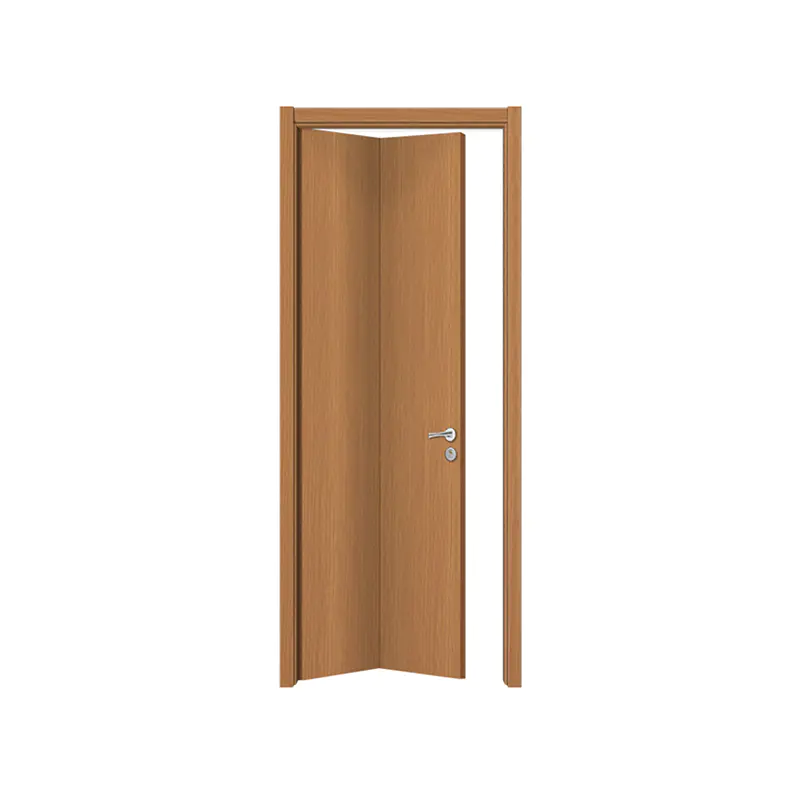
Getting past the short version matters though, especially if you're weighing this option against solid wood, laminate, or composite alternatives for an upcoming project. Understanding what actually goes into these doors, how customization works, and where the material genuinely shines versus where it doesn't, makes the difference between a confident sourcing decision and a costly guess.
What Does MDF Actually Mean?
MDF stands for medium density fiberboard, an engineered wood product made by breaking down wood fibers, combining them with resin, and pressing the mixture under heat into dense, uniform panels. Unlike solid wood, which carries natural grain variation, knots, and inconsistent density, MDF comes out remarkably even across its entire surface.
This uniformity turns out to matter more than people initially expect. A perfectly flat, consistent surface takes paint, veneer, or laminate finishes far more evenly than raw timber ever could, which explains why so much of the interior door market has shifted toward this material over recent years.
How Does Custom Design Actually Work With MDF Doors?
This is where the "custom" part of the equation earns its place. Because MDF machines cleanly and predictably, manufacturers can route intricate panel designs, curved profiles, or decorative details that would be far more difficult, and expensive, to replicate consistently in solid wood.
Customization typically covers a handful of practical areas:
- Size and dimension adjustments, fitting non-standard door openings that off-the-shelf products simply can't accommodate.
- Panel style variation, from simple flat designs to raised or recessed profiles depending on the interior aesthetic being targeted.
- Surface finish options, including painted, laminated, or veneered treatments that change the final look considerably.
- Edge detailing and molding profiles, allowing a door to match specific architectural styles across a project.
- Core density adjustments for specific performance needs, such as sound dampening in commercial or multi-unit residential settings.
This level of customization does not compromise the structural consistency that makes MDF appealing. A well-manufactured custom panel can still be machined and finished with the same predictability as a standard panel while being adapted to a specific project's requirements.
Why Do Designers and Builders Keep Choosing This Material?
A few practical advantages explain the growing preference, beyond simple cost comparisons.
- Surface uniformity means paint finishes look smoother and more consistent than what solid wood typically delivers without extensive prep work.
- Dimensional stability reduces warping or swelling under normal humidity fluctuations, a common headache with certain solid wood species.
- Machining precision allows for detailed panel designs and edge profiles that stay consistent across large production runs.
- Cost efficiency generally beats comparable solid wood options, particularly for projects requiring multiple matching doors across a building.
- Paint compatibility tends to be more forgiving, since the smooth surface holds finish coats without the grain-related touch-up work solid wood often demands.
None of these advantages mean MDF wins in every scenario, and it's worth being honest about where the material falls short too.
Custom MDF Doors Versus Solid Wood: How Do They Actually Compare?
This comparison comes up constantly among buyers weighing their options, so it's worth laying out plainly rather than dancing around it.
| Factor | Custom MDF Doors | Solid Wood Doors |
|---|---|---|
| Surface consistency | Very even, minimal natural variation | Variable, grain and knots visible |
| Paint finish quality | Smooth, easier to achieve even coverage | Requires more prep for even results |
| Moisture resistance | Moderate, depends on core density and sealing | Varies by species, some prone to swelling |
| Cost for custom sizing | Generally lower | Generally higher |
| Natural aesthetic | Painted or veneered look only | Authentic wood grain visible |
| Weight | Moderate, consistent across panels | Varies by species, often heavier |
Neither column wins outright. Someone prioritizing a natural wood grain aesthetic for a high-end residential project might lean toward solid timber despite the cost premium, while someone managing a commercial build with dozens of matching doors on a tight budget usually finds MDF the more practical route.
What Application Settings Suit Custom MDF Doors Best?
Not every project setting benefits equally, and understanding where this material performs well helps avoid mismatched expectations later.
Residential interior doors, bedroom, closet, hallway applications, tend to work particularly well with MDF given the controlled indoor environment and the material's strength in taking smooth paint finishes. Commercial interiors, office partitions, hotel corridors, retail fitouts, often favor MDF for the same reasons, plus the ability to produce large quantities of matching panels efficiently.
Areas with high humidity or direct moisture exposure, bathrooms without proper sealing, exterior applications, deserve more caution. While certain moisture-resistant MDF formulations exist, standard panels aren't built for constant dampness, and choosing the wrong core density for a humid environment tends to create problems down the line.
What Should Buyers Check Before Placing a Custom Order?
Once a project settles on MDF as the right material direction, a few practical questions help avoid disappointment once the doors actually arrive.
- Confirm core density specifications match the application, since interior doors and higher-traffic commercial doors often call for different density requirements.
- Ask about finish options available, painted, laminated, veneered, and whether sample panels can be reviewed before committing to a full order.
- Verify sizing tolerances and how custom dimensions get communicated and confirmed before production begins, avoiding costly measurement errors.
- Check moisture resistance ratings if the installation location carries any humidity concerns, even indirectly.
- Ask about production timelines for custom panel designs, as intricate profiles or unusual sizing may extend schedules beyond standard stock options.
Working through these questions before finalizing an order tends to prevent the kind of mismatched expectations that show up only after installation, when correcting the issue costs considerably more than catching it early would have.
Bringing Material Choice and Design Goals Together
Choosing the right door material for a project depends on balancing budget, design preferences, environmental conditions, and the level of customization a space requires. MDF remains popular because it offers a practical balance across these considerations. Buyers drawn to smooth paint finishes, consistent panel quality across multiple matching doors, and reasonable customization without a steep cost premium tend to find this material a strong practical fit, particularly for residential and commercial interior applications where natural wood grain isn't the top priority. Getting the details right, core density, finish selection, accurate sizing, makes the difference between a door that performs well for years and one that causes headaches shortly after installation. Zhejiang Kings Home Decor Co., Ltd. works with designers, builders, and procurement teams on custom MDF door projects, offering the manufacturing precision and finish options needed to match specific project requirements, and welcomes inquiries from anyone ready to move from material research into an actual sourcing conversation.
Interested in cooperation or have questions?


 +86-13857003056
 No. 27 Lianhuashan Avenue, Jiangshan Economic Development, Jiangshan, Quzhou, Zhejiang, China
Copyright © Zhejiang Kings Home Decor Co., Ltd. All Rights Reserved.

Interior Wood Door Manufacturer