

 English
 русский
 Français
 Español
 عربى
عربىWhat Causes MDF Doors for Bathroom to Warp Over Time
Anyone who's noticed their bathroom door suddenly catching on the frame after months of closing just fine has probably run into this exact problem. Bathroom doors live in a genuinely different environment from doors used in bedrooms, offices, or living rooms. The space is often exposed to moisture, changing temperatures, cleaning routines, and limited airflow, sometimes all at once after a hot shower. These conditions can gradually affect a door if its materials, surface treatment, or installation don't suit the room it's hanging in.
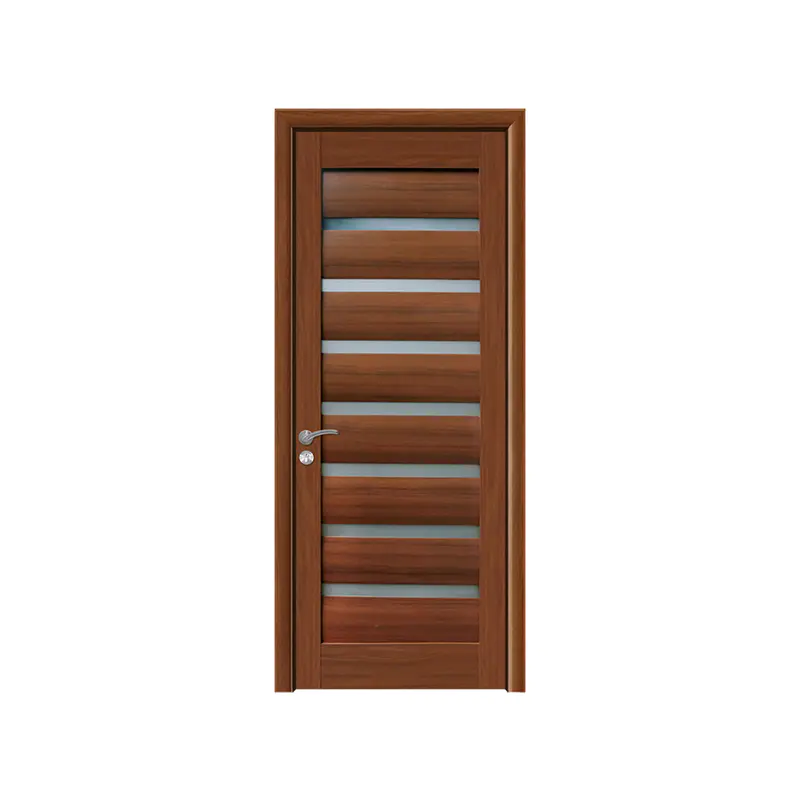
This is especially relevant for MDF Doors for Bathroom use. MDF provides a smooth and consistent surface that works well with many interior design styles. It can also be shaped and finished for different door designs, which is part of why it's so popular. However, MDF contains wood fibers, so moisture management remains something worth paying attention to.
Warping doesn't usually come from one single cause acting alone. A door may begin to change shape because moisture reaches an exposed edge, ventilation is poor, or the surface treatment doesn't protect the material evenly across every surface. Installation can also influence how the door responds to changes in its surroundings over time.
For homeowners, designers, contractors, and buyers sourcing Wholesale MDF Doors, understanding these factors can make bathroom door selection and maintenance a lot more practical.
Why Moisture Is a Concern for MDF Doors in Bathrooms
Moisture is one of the main environmental factors affecting MDF, and bathrooms are full of it.
MDF is made from wood fibers pressed into a board. Its smooth surface works well with painted, laminated, veneered, and other decorative door finishes. Problems can arise when moisture reaches areas that are not properly protected.
A bathroom naturally creates plenty of opportunities for moisture exposure. Steam from hot water can spread through the room after every shower. Water may splash near the door during bath time. Wet hands can contact the surface and edges throughout the day. Cleaning can introduce additional moisture on top of all that.
The risk becomes a lot more noticeable when moisture repeatedly enters the material and then leaves again, cycle after cycle.
This repeated change can affect the stability of the board over months.
| Bathroom Condition | Possible Effect on an MDF Door |
|---|---|
| Steam | Raises moisture exposure around the door |
| Water splashes | May affect vulnerable edges |
| Damp air | Can increase moisture absorption |
| Poor ventilation | Allows moisture to remain longer |
| Wet cleaning | Creates additional surface exposure |
| Unprotected edges | May provide an easier path for moisture |
The door doesn't necessarily warp simply because it's in a bathroom. The way it's exposed to moisture matters a lot more than the room label alone.
A well-designed door with suitable surface protection and careful installation can be a lot better prepared for normal bathroom conditions than one that leaves vulnerable areas exposed from the start.
How the Door Core Structure Affects Warping
The internal structure of a door has a genuinely important role in its stability over time.
A bathroom door may look like a simple flat panel from the hallway, but the internal material determines how the door responds to changes in its environment day after day.
For MDF Doors for Bathroom applications, moisture can affect the board differently depending on where it enters and how evenly the door is protected across its surfaces.
If one area absorbs moisture while another stays relatively dry, the material may react unevenly. This can create stress within the door panel and eventually cause visible changes in shape, such as sticking or gaps.
The edges deserve particular attention here.
The broad front and back surfaces are often easier to finish evenly during manufacturing. Door edges, cutouts, hinge areas, and hardware openings can be a lot harder to protect fully.
This creates several areas for manufacturers and installers to consider:
- Core composition
- Edge protection
- Surface coverage
- Hardware openings
- Door thickness and construction
- Balance between front and back surfaces
A suitable structure doesn't eliminate environmental exposure entirely, but it can help the door remain a lot more stable during normal use.
This is one reason Custom MDF Doors may get developed differently depending on where they'll actually be installed. A bathroom application can require genuinely different material and finishing considerations from a dry interior space like a bedroom.
Can Poor Ventilation Make Bathroom Door Warping More Likely?
Yes, and this is one of the more overlooked factors in the whole equation.
Ventilation affects how quickly moisture actually leaves a bathroom after use. A room with limited airflow can remain humid for a long stretch after showering or bathing. When moisture stays in the surrounding air longer, surfaces and furniture may experience greater exposure than they would in a well-vented space.
The door is part of that environment, whether it's noticed or not.
Poor ventilation can affect more than the door itself. Walls, cabinets, flooring, mirrors, and other interior elements may also remain damp for longer periods, fogged up long after the shower's off.
A simple airflow strategy can help reduce unnecessary moisture exposure.
| Ventilation Practice | Potential Benefit |
|---|---|
| Use available bathroom ventilation | Helps move humid air away |
| Keep airflow paths clear | Supports moisture removal |
| Allow damp areas to dry | Reduces prolonged exposure |
| Avoid unnecessary water accumulation | Limits direct contact with the door |
Ventilation matters especially for doors positioned close to showers or other wet areas of the room.
A door may have an appropriate finish applied at the factory, but continuous exposure to a humid environment can still place additional demands on the material over years of use.
This doesn't mean a bathroom needs to stay completely dry, which isn't realistic anyway. Bathrooms are naturally humid spaces by design. The practical goal is preventing moisture from lingering around the door for extended periods after each use.
How Surface Treatment Protects MDF Bathroom Doors
Surface treatment forms a genuinely important part of an MDF door's resistance to everyday bathroom conditions.
The finish can create a barrier between the MDF core and the surrounding environment. Different finishing methods may include paint, laminate, veneer, or other decorative surfaces depending on the style chosen.
The important point isn't simply how the finish looks on a showroom floor. Coverage matters a lot more in practice.
A door surface may appear fully finished while small areas around edges, corners, hardware openings, or cutouts remain genuinely more vulnerable underneath that polished look.
For this reason, manufacturers of Custom MDF Doors need to consider the complete door, rather than focusing only on the visible front panel that catches the eye.
A useful inspection may include:
- Checking the main door surfaces
- Looking closely at the edges
- Examining areas around hardware
- Checking corners for exposed material
- Confirming that the finish is consistent
- Reviewing any openings created during installation
Surface treatment also needs to remain intact during daily use, not just on delivery day.
A deep scratch or damaged edge can expose the material underneath to everything the bathroom throws at it. Once an opening develops, moisture may have a genuinely easier route into the board than before.
Bathroom maintenance should therefore include attention to the condition of the door finish, not just the fixtures.
Why Door Edges Can Be More Vulnerable Than Flat Surfaces
Edges are genuinely easy to overlook during both design and daily use.
When people look at a bathroom door, they naturally focus on the front and back surfaces they see every day. The edges receive a lot less attention, even though they can encounter moisture from cleaning, splashes, condensation, and contact with damp hands reaching for a towel.
Cut edges can also get created during installation itself.
For example, holes may be made for hinges, handles, locks, or other hardware after the door arrives on site. If these areas aren't treated appropriately at that point, the original surface protection may no longer provide the same coverage it had from the factory.
This matters particularly when a standard interior door gets modified for a new bathroom installation rather than built for the purpose from the start.
A properly prepared edge can help reduce unnecessary exposure considerably.
| Door Area | What to Check |
|---|---|
| Top edge | Surface coverage and signs of moisture |
| Bottom edge | Contact with damp floors or cleaning water |
| Side edges | Finish condition and installation fit |
| Hinge areas | Exposed material around hardware |
| Lock areas | Condition around cutouts |
| Corners | Chips, cracks, or damaged finish |
The bottom edge deserves special attention because bathroom floors may become wet during cleaning or normal use, sometimes daily.
A door that repeatedly contacts standing water faces a genuinely different situation from one that stays dry above the floor line.
How Installation Methods Can Influence Door Stability
Even a suitable MDF door can develop problems if it gets installed poorly, no matter how good the material is.
Installation determines how the door sits within the frame and how it moves during daily use, month after month.
A door forced into an unsuitable opening may experience unnecessary pressure right from the start. Hinges that aren't properly positioned can affect how the door hangs over time. An uneven frame can also change the way the panel sits within it.
These issues may not immediately look like warping at all.
A door that rubs against the frame may get blamed on a distorted panel when the actual problem is installation alignment from day one.
Before assuming the MDF itself has changed shape, installers can check:
- Whether the frame is properly aligned
- Whether hinges are securely installed
- Whether the door moves freely
- Whether the door contacts the frame unevenly
- Whether hardware places unusual pressure on the panel
- Whether the door has enough clearance for normal movement
Installation should also protect areas that have been cut or drilled during fitting. A bathroom door may require additional preparation for hardware like locks or handles. Those exposed areas should be handled carefully so moisture doesn't easily reach the internal board through a fresh cut.
For Wholesale MDF Doors, providing clear installation guidance can help distributors and contractors maintain consistency when the products get used across different projects and different crews.
Does Door Design Influence How MDF Performs in a Bathroom?
It genuinely can, more than people expect.
Door design affects how much material is exposed and how the surface is constructed underneath the finish. A simple flat door may have a relatively straightforward surface to protect. A decorative design may contain grooves, recessed sections, edges, or additional components that each need their own attention.
Each feature can create another area needing appropriate protection.
This is one reason Custom MDF Doors require careful design planning from the outset. A custom shape shouldn't only meet the desired appearance on a mood board. It should also make sense for the environment where the door will actually be installed.
For bathroom applications, designers may consider:
- Simple surface layouts
- Consistent finishing
- Protected edges
- Suitable hardware placement
- Easy-to-clean surfaces
- Appropriate door construction
A decorative feature that works well in a dry bedroom may require additional attention when used near moisture instead.
Good design doesn't mean stripping out all visual details. It means considering appearance and environmental exposure together from the start, not as an afterthought.
How Daily Maintenance Affects MDF Bathroom Door Condition
Daily habits can genuinely influence the service condition of a bathroom door over its lifetime.
Small amounts of moisture aren't necessarily a problem on their own. Repeated exposure without drying or maintenance can be a lot more concerning over time.
Cleaning methods matter particularly here.
Aggressive scrubbing may damage a surface finish that took care to apply. Excess water can reach edges or openings during a wipe-down. Leaving wet marks on the door for long periods can also increase exposure more than a quick splash would.
A practical routine may include:
Wipe away visible moisture. If water reaches the door, removing it promptly can reduce unnecessary exposure before it soaks in.
Keep the lower edge dry. The bottom of the door can be affected by wet floors and cleaning water more than other areas.
Check the finish. Look for peeling, cracking, scratches, or other areas where the protective layer may have been damaged over time.
Avoid excessive water during cleaning. A damp cloth may be more appropriate than soaking the surface, depending on the manufacturer's care instructions for that specific finish.
Keep ventilation working. Allowing the bathroom to dry after use can help reduce prolonged humidity building up around the door.
Maintenance doesn't need to be complicated to make a difference. Consistent small actions can make the environment a lot easier on the door over years of use.
What Buyers Should Consider When Choosing MDF Doors for Bathroom
Buyers should consider the bathroom environment before selecting a door, rather than treating it like any other interior door.
A product intended for a dry room may not carry the same design considerations as one intended for a humid space right next to a shower.
The following questions can help:
| Buyer Question | Why It Matters |
|---|---|
| Where will the door be installed? | Exposure can vary within the bathroom |
| How close is it to wet areas? | Direct moisture may be more likely |
| Is the room well ventilated? | Affects humidity around the door |
| How are the edges protected? | Edges can be vulnerable to moisture |
| What surface finish is used? | Influences surface protection |
| How will the door be cleaned? | Cleaning can add moisture exposure |
| Are custom cuts required? | New openings may need proper treatment |
For larger projects, buyers sourcing Wholesale MDF Doors may also want to discuss the intended application with the supplier before placing an order, rather than assuming one spec fits every room.
This can help avoid treating every interior door as if it'll face the same conditions across a whole building.
A supplier may also offer options for Custom MDF Doors when a project requires a particular size, style, finish, or construction approach suited to wetter spaces.
Can Custom MDF Doors Be Designed for Bathroom Conditions?
Customization can address a lot more than appearance alone.
A bathroom project may have unusual wall layouts, specific interior styles, or particular hardware requirements that a stock door won't accommodate. A custom door can be developed around those conditions from the start.
However, customization should include environmental considerations too, not just measurements.
The design process can examine:
- Door surface treatment
- Edge protection
- Core construction
- Hardware locations
- Installation method
- Cleaning requirements
- Ventilation around the door
This creates a genuinely more complete approach to door selection than picking from a catalog.
For example, a designer may want a particular decorative surface for the look of the room. The manufacturer can then consider how that finish will interact with the door's construction and the intended bathroom environment it's heading into.
The goal isn't claiming an MDF door is immune to moisture, because no material really is unaffected by its environment over time. Instead, the design should reduce unnecessary exposure and make normal maintenance genuinely practical for whoever lives with the door.
How Existing MDF Bathroom Doors Should Be Checked for Early Changes
Small changes can provide genuinely useful clues before things get worse.
A door that begins rubbing against the frame may have an alignment issue or an actual change in shape underneath the finish. A finish that starts lifting around an edge may indicate that moisture has already reached an exposed area.
Other signs may include:
- Changes in the door's fit
- Swelling around edges
- Surface irregularities
- Damaged finish
- Loose hardware
- Increased difficulty when opening or closing
These signs should get examined rather than ignored until they force the issue.
If the problem is limited to hardware or frame alignment, a simple adjustment may address it without much fuss. If the board itself has absorbed moisture or changed shape, replacing hardware alone likely won't solve the underlying issue.
The surrounding environment should also get checked at the same time. A persistent leak, poor ventilation, or wet floor may continue affecting a replacement door if the underlying condition remains unaddressed, wasting the cost of a new panel.
For MDF Doors for Bathroom use, the door and its environment stay closely connected throughout its life. Moisture exposure, core structure, surface treatment, edge protection, installation, ventilation, and daily care all influence how the panel behaves over time. Careful product selection and proper installation can help reduce avoidable problems, while regular inspection can reveal changes before they interfere with normal bathroom use.
Interested in cooperation or have questions?


 +86-13857003056
 No. 27 Lianhuashan Avenue, Jiangshan Economic Development, Jiangshan, Quzhou, Zhejiang, China
Copyright © Zhejiang Kings Home Decor Co., Ltd. All Rights Reserved.

Interior Wood Door Manufacturer