

 English
 русский
 Français
 Español
 عربى
عربىHow Do MDF Doors for Bathroom Fit Compact Spaces
Anyone who's ever tried squeezing a full bathroom into a tight apartment footprint knows the door isn't just a detail you pick last. Small bathrooms are changing how homeowners and building professionals think about interior doors altogether. When every part of a room needs to work within a limited area, the door can't get treated as an afterthought tacked on at the end of a project. Its opening direction, visual weight, surface, and relationship with nearby fixtures all shape how the room actually feels and functions once someone's standing in it.
This has drawn more attention to MDF doors for bathroom applications specifically. MDF doors offer a practical surface for interior design while giving manufacturers plenty of room to create different door styles suited to different tastes. When selected and installed with the space in mind, they become part of a compact bathroom layout without making the room feel crowded or closed in.
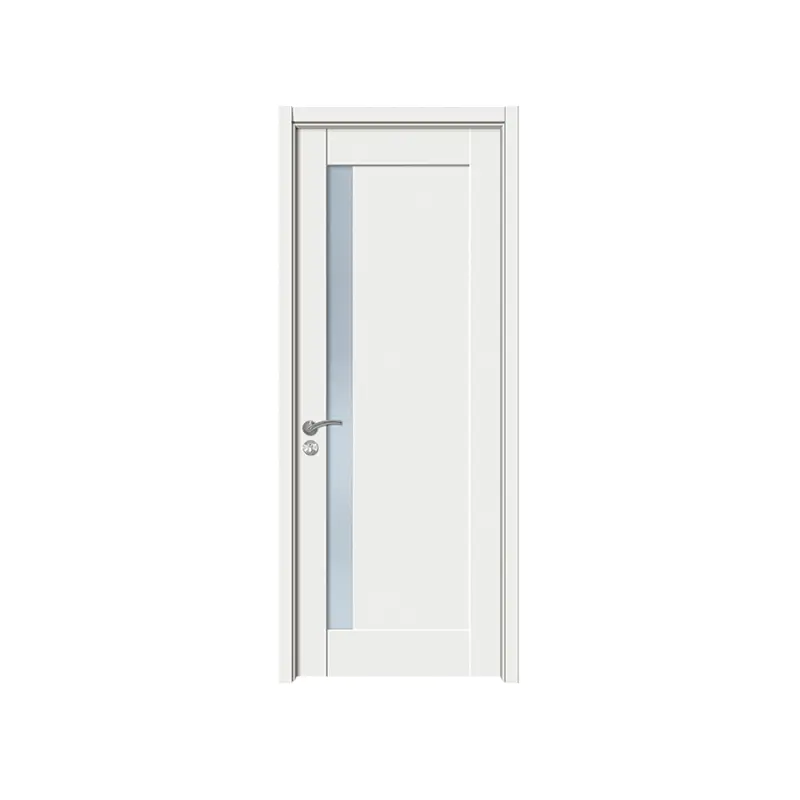
The real question isn't simply whether MDF can work in a bathroom setting. The more useful question is how the door actually fits into the overall space it's going into.
A compact bathroom demands careful planning from the start. A door that swings open toward a sink, toilet, storage unit, or shower area can create an awkward path that someone bumps into every single day. A visually heavy door can also make a small room look more enclosed than it needs to. This is exactly why door selection is increasingly getting considered alongside bathroom layout, rather than treated as a separate purchasing decision made in isolation.
Why Door Selection Matters in a Compact Bathroom
A bathroom door takes up more space than its closed surface might suggest at a glance. When the door opens, it creates a movement area that can overlap with other parts of the room. In a compact bathroom, even a small amount of interference makes everyday movement noticeably less comfortable — think of reaching around an open door just to get to the sink.
The door also shapes how the room looks overall. A dark or visually dense surface can make a narrow bathroom feel more enclosed than its actual dimensions. A simple surface with a well-chosen color can create a lighter visual impression instead. The door doesn't physically enlarge the room, obviously, but it genuinely influences how the available space gets perceived by anyone standing in it.
Privacy factors into this too. Bathrooms need a clear separation from the surrounding living area, and the door has to provide that separation without creating unnecessary obstacles in the process.
This is why door style, opening arrangement, and surface design all carry real weight in the decision. For homeowners, the choice often comes down to appearance and everyday convenience. For builders and purchasing teams, installation, consistency across units, and supply reliability become important considerations too. A suitable bathroom door needs to satisfy several of these needs all at once, not just one at the expense of the others.
How MDF Doors for Bathroom Applications Fit Into Small Layouts
Part of the appeal behind MDF doors comes from their design flexibility. MDF provides a smooth base for a range of door appearances, finished in styles that suit modern, simple, traditional, or more decorative interiors. That lets the door connect naturally with the rest of the bathroom instead of standing apart from it like an obvious add-on.
In a compact space, visual consistency really matters. When the door surface works with the wall, cabinet, or other interior elements, the room tends to look a lot more organized overall. A busy door design can draw attention straight to the limited space, while a simple design creates a calmer, more settled appearance instead.
MDF doors for bathroom applications also make sense when a project needs a consistent appearance across several interior doors at once. A building might have bathrooms, bedrooms, storage areas, and other rooms that all need related door styles running through them. Using a coordinated design makes the whole interior feel a lot more connected room to room.
The physical layout still matters enormously here, of course. The door needs positioning so its swing doesn't unnecessarily interfere with bathroom fixtures. A well-designed door can't fix a poor layout entirely on its own. But it can work with the layout to make genuinely better use of whatever space is actually available.
What Door Opening Choices Can Help With Limited Space
The opening direction can affect how a compact bathroom functions in ways people may not expect. A traditional hinged door needs space to swing through, and if that swing crosses the area used by a sink or another fixture, the room quickly starts feeling difficult to navigate.
Changing the opening arrangement can sometimes fix the situation entirely. In some layouts, a door opening outward leaves a lot more usable space inside the bathroom itself. In other cases, a sliding arrangement makes sense when the surrounding structure actually allows for it.
The right choice really depends on the building layout and the installation conditions on site. The key here is thinking through the door's actual movement before buying the door itself, not after it's already hung.
A useful planning process can include:
- Mark the location of bathroom fixtures on a rough sketch first.
- Consider the path the door will trace when opening.
- Check where users naturally enter and exit the room.
- Look for spots where the door's swing might interfere with movement.
- Compare suitable opening arrangements against the space.
- Confirm the chosen door actually works with the surrounding structure.
This approach helps prevent a common headache: picking an attractive door, only to discover later that its opening path creates real inconvenience every time someone uses the bathroom. Compact bathrooms reward this kind of careful planning because every movement has a direct relationship with the space available.
Can MDF PVC Doors Be Considered for Bathroom Interiors?
MDF PVC doors are another option that often come up in discussions about bathroom interiors. The term generally refers to MDF-based doors finished with a PVC surface, which provides a particular appearance while giving manufacturers plenty of flexibility in creating different styles.
For bathroom use, buyers usually pay close attention to the relationship between the door surface and the surrounding environment. Bathrooms deal with moisture and frequent cleaning as a matter of course. The door also gets touched often, especially around the handle area where hands are constantly wet or soapy. This makes surface selection a genuine part of the overall product decision, not an afterthought.
The exact suitability comes down to construction, surface treatment, installation conditions, and intended use. A buyer shouldn't assume every MDF PVC door suits every bathroom automatically. Product information should get checked directly with the manufacturer, particularly when the bathroom faces more challenging environmental conditions like poor ventilation or heavy daily use.
Design factors into this conversation too. PVC surfaces come in a range of visual styles, which helps a compact bathroom maintain a consistent interior theme without needing an overly decorative door to pull it off. For projects needing several doors at once, the ability to coordinate surface appearance simplifies interior planning quite a bit.
How Door Appearance Affects the Feeling of a Small Bathroom
A compact bathroom is more than a physical space to move through. It also creates a visual experience that people notice as soon as they enter. Surfaces, lines, colors, and the way different elements work together all influence how the room feels, with the door playing a clear part in that overall impression.
A simple door design cuts down on visual distraction. A lighter-looking surface can help the room feel more open than its actual square footage. That doesn't mean every compact bathroom needs a plain white door, though — different interior styles can absolutely work here. The important thing is coordination between elements.
A bathroom with simple wall surfaces, for instance, might benefit from a door with a similarly clean appearance to match. A more decorative interior could use a door with subtle panel details instead. The door should support the overall design rather than compete with it for attention.
MDF offers real flexibility in this area. Manufacturers can create different surface appearances, letting buyers think of the door as genuinely part of the interior rather than a purely functional barrier that just happens to be there. This proves especially useful for renovation projects, where the physical space can't change but the visual design absolutely can shift the room's whole atmosphere.
What Buyers Should Check Before Ordering MDF Bathroom Doors
Buying a door for a compact bathroom takes a lot more than just picking a preferred appearance off a sample board. The installation area deserves careful review first.
| Selection Area | Questions to Ask |
|---|---|
| Available space | Does the door fit naturally into the room layout? |
| Opening direction | Will the door interfere with bathroom fixtures? |
| Surface | Is the door surface appropriate for the intended environment? |
| Design | Does the appearance work with the surrounding interior? |
| Installation | Can the door be installed without unnecessary changes? |
| Maintenance | Is the surface convenient to clean and maintain? |
| Quantity | Does the supplier support the project's purchasing needs? |
| Consistency | Can multiple doors maintain a similar appearance? |
The surface deserves particular attention here. Bathrooms face frequent exposure to moisture, splashes, cleaning, and shifting indoor conditions throughout the year. Buyers should ask the manufacturer directly about the intended application, rather than assuming a door designed for a dry interior room will hold up the same way in a bathroom setting.
The installation area matters just as much. A door might fit the opening physically but still prove inconvenient because of nearby fixtures crowding the swing path. Checking the full movement area before ordering cuts down on installation headaches later. For renovation work specifically, existing walls and openings often limit the available choices, so the door should get selected around the actual space at hand, not some idealized room layout that doesn't match reality.
Why Wholesale MDF Doors Matter for Bathroom Projects
Large projects often need multiple interior doors at once, which is where wholesale MDF doors become genuinely relevant. Hotels, apartments, residential developments, offices, and similar projects often need doors with a consistent appearance running across many rooms. Purchasing through a wholesale channel makes it a lot easier for buyers to discuss quantity, design consistency, packaging, and delivery arrangements directly with a manufacturer or supplier.
The focus should stay on actual project requirements throughout this process. A bulk order only makes sense when the product genuinely suits the intended application. Buying a large quantity of an unsuitable door doesn't solve a space problem — it just multiplies it across every unit.
Project buyers do well preparing a clear purchasing brief covering:
- The number of doors required
- The intended bathroom environment
- Preferred door appearance
- Opening arrangement
- Installation conditions
- Related interior design requirements
- Packaging and delivery expectations
This kind of information gives suppliers a much clearer picture of the project overall. For manufacturers, wholesale bathroom door orders can also encourage more standardized production, and consistent designs make it a lot easier for project teams to maintain a unified interior look across every unit. The purchasing process ends up shaping both cost planning and design consistency together.
How Suppliers Can Help With Compact Bathroom Door Selection
A door manufacturer can offer genuinely useful support once the buyer explains the actual application clearly. Simply asking for "MDF bathroom doors" often doesn't provide enough information to work with. The supplier may need to know whether the doors are meant for residential bathrooms, commercial properties, renovation projects, or some other type of interior entirely.
The available installation space counts as useful information too. Drawings, photographs, and simple descriptions help suppliers understand the actual situation on the ground. That makes communication clearer and reduces the chance of receiving a product that looks great in a catalogue but doesn't actually work well once it's in the room.
Suppliers can also help buyers compare different surface options and door styles side by side. For compact bathrooms specifically, the discussion should cover both function and appearance together. The door needs to fit the room physically while also supporting the desired interior design goals.
Manufacturers serving project buyers may offer different purchasing arrangements too, which comes in handy when a project includes many bathrooms with similar requirements. Buyers should still verify the suitability of the selected door for the intended environment before committing, though — coordination with a supplier doesn't replace that final check.
Can MDF Bathroom Doors Support Different Interior Styles?
Compact spaces don't have to look plain just because they're small. The real challenge is creating visual interest without making the room feel crowded in the process. MDF doors offer flexibility here because their surfaces support a range of different design treatments.
A modern bathroom might use a clean, smooth door. A more traditional interior could lean toward subtle panel details instead. A residential project might coordinate bathroom doors with bedroom and hallway doors throughout the home. This design flexibility becomes genuinely valuable when several rooms need to share a common visual language running through them.
The door can also become part of a broader interior color plan. When its surface works with the walls, cabinets, flooring, and other elements around it, the room feels a lot more coherent as a whole. For small bathrooms, that sense of consistency proves genuinely useful — the physical size of the room stays fixed, but the visual relationship between its surfaces shapes how people actually experience the space day to day.
This is one reason MDF doors for bathroom applications keep drawing attention in interior door discussions. Their role goes beyond simply separating one room from another. They contribute to how a compact bathroom gets organized, maintained, and visually presented to anyone who walks through it.
Interested in cooperation or have questions?


 +86-13857003056
 No. 27 Lianhuashan Avenue, Jiangshan Economic Development, Jiangshan, Quzhou, Zhejiang, China
Copyright © Zhejiang Kings Home Decor Co., Ltd. All Rights Reserved.

Interior Wood Door Manufacturer