

 English
 русский
 Français
 Español
 عربى
عربىHow Can MDF Doors for Bathroom Manage Moisture Challenges?
Step out of a hot shower on a winter morning, and the mirror fogs up before you've even reached for a towel. That same steam settles on every surface in the room, including the door you just walked through. Bathrooms put interior materials through a rougher daily routine than almost any other room in the house, which is exactly why door selection deserves more thought than people usually give it. MDF Doors for Bathroom applications have picked up real interest in renovation projects because MDF gives designers genuine flexibility while still letting manufacturers build door constructions with actual bathroom conditions in mind.
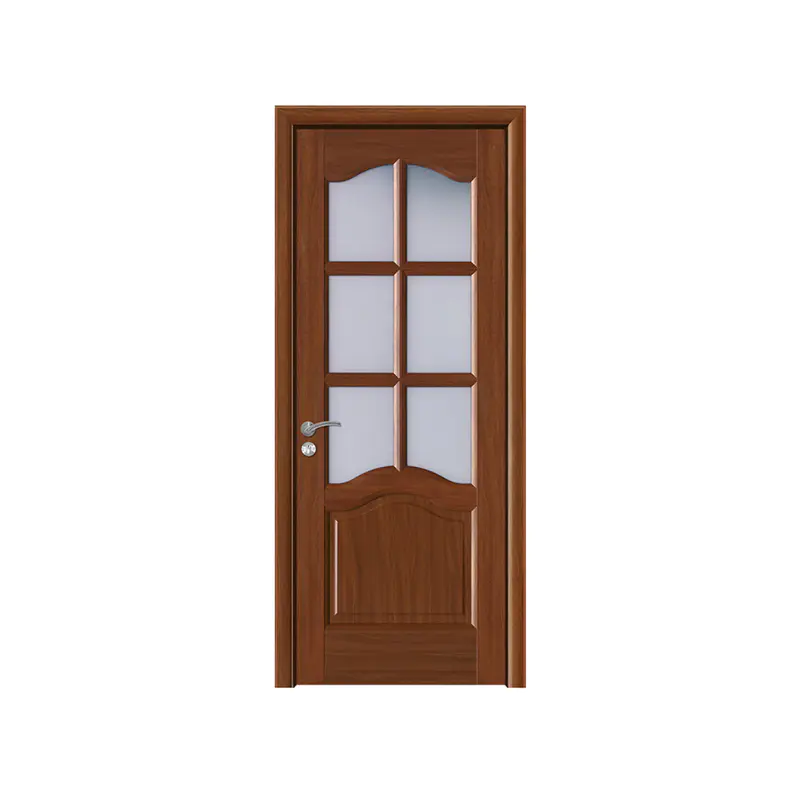
A bathroom door does more than swing shut over an opening. It shapes privacy, contributes to how the room looks, and affects how the whole space flows together. At the same time, it has to hold up in an environment where moisture shows up whether anyone wants it there or not.
That combination of demands is pushing homeowners, designers, and contractors to think more carefully about how material, surface treatment, construction, and installation all work together in this particular room.
Why Moisture Actually Poses a Problem for Bathroom Doors
Moisture reaches interior materials through several everyday paths. Water splashes near a sink, shower, or bathtub. Humid air lingers in the room well after someone's finished bathing.
Repeated exposure over time can create real challenges for materials that were not properly chosen or adequately protected from the beginning.
A bathroom door typically faces several distinct forms of moisture:
| Moisture Source | What It Can Do to a Door |
|---|---|
| Water splashes | Reaches exposed surfaces directly |
| Steam | Raises overall moisture in the surrounding air |
| Wet cleaning | Leaves temporary surface moisture behind |
| Humid conditions | Affects materials that aren't properly protected |
| Poor ventilation | Lets moisture linger a lot longer than it should |
A door getting wet once isn't really the concern. It's the daily repetition, morning after morning, that actually determines how a material holds up over years of use.
That's exactly why choosing a bathroom door means looking at the whole construction, not just judging the visible surface on its own.
What Actually Makes MDF Useful for Bathroom Door Design
MDF, short for medium-density fiberboard, is an engineered wood material built from wood fibers pressed together into a consistent, uniform board.
That evenness in the material makes it genuinely adaptable across different door styles. Manufacturers can shape it, route decorative patterns into it, coat it, and finish it in a wide range of ways.
That flexibility matters a lot in bathroom design, since homeowners often want their door to visually match cabinets, wall finishes, flooring, or other nearby interior elements.
MDF comfortably supports directions like:
- Simple, clean flat surfaces
- Decorative panel detailing
- Contemporary interior styling
- Painted finishes in any color
- Wood-look appearances without solid wood
- Custom decorative touches specific to a project
The material itself isn't automatically moisture-resistant, though. How well it holds up genuinely depends on how the door gets constructed, finished, installed, and cared for afterward. That distinction matters a lot when weighing MDF for a bathroom specifically.
How Surface Finishing Actually Helps Against Moisture
The visible surface of a bathroom door functions as a real protective layer, not just a cosmetic one.
A well-chosen finish reduces direct contact between the underlying board and everyday moisture exposure. It also makes routine cleaning noticeably easier.
Different finishing approaches suit different appearances and applications.
| Finishing Detail | Why It Matters |
|---|---|
| Full surface coverage | Protects exposed board areas |
| Smooth texture | Makes wiping down the door easier |
| Edge treatment | Targets the areas that are more likely to experience wear or stress |
| Coating compatibility | Matches the intended use case |
| Consistent application | Keeps the overall appearance even |
Edges deserve particular attention here.
A door can have a beautifully finished front and back and still run into trouble if its edges are left exposed or poorly sealed. That's a common gap in cheaper doors that weren't actually designed with humid rooms in mind.
Manufacturers building doors genuinely intended for bathrooms need to treat the whole door as one connected surface, rather than assuming the main face is the only part that matters.
Why Door Edges Deserve Real Attention in Bathroom Applications
Edges get overlooked easily since they're a lot less visible than the front face of a door.
They still come into direct contact with moisture, though, whether that's during routine cleaning or just everyday bathroom use. Once moisture reaches an unprotected edge, it interacts directly with the material underneath the finish.
That's exactly why edge construction and treatment carry real weight when evaluating MDF Doors for Bathroom.
A door genuinely built with this in mind pays attention to:
- Edge coverage — making sure exposed board areas actually get properly sealed
- Corner treatment — finishing corners in a way that fits how the door was built
- Cutout areas — handling hardware openings carefully rather than leaving raw edges
- Bottom edge protection — since the lower portion often sits closest to cleaning water or floor moisture
- Installation alignment — positioning the door correctly to avoid unnecessary contact with moisture nearby
A door really needs evaluating as one complete structure. A strong front face can't make up for weak treatment somewhere else on the same piece.
How Bathroom Ventilation Affects Overall Door Performance
A bathroom door never really operates independently from the room it's installed in.
Ventilation shapes how quickly moisture actually clears out of the room after bathing or cleaning. When humid air sits around for a long stretch, interior surfaces face more frequent, prolonged exposure than they would otherwise.
That means picking a suitable door works better alongside genuinely sensible bathroom design overall.
Good ventilation helps manage:
- Steam lingering after a shower or bath
- General humidity building up in the indoor air
- Moisture settling around nearby surfaces
- Condensation forming on cooler surfaces
- Overall freshness in a room that sees daily moisture
Nobody should expect a door's material alone to solve every moisture issue a bathroom throws at it.
A bathroom with genuinely poor ventilation creates tough conditions for almost any interior product installed there. Managing the room's overall environment is really part of protecting the door, not a separate concern entirely.
That's also why the exact same door construction can behave noticeably differently in two different homes, depending on how well each one ventilates and how the space actually gets used day to day.
Does MDF Genuinely Offer More Design Flexibility for Bathrooms
Bathroom renovation isn't only about holding up against moisture. Appearance genuinely matters too.
A lot of homeowners want their bathroom to feel connected to the rest of the home's overall style, rather than sticking out as some disconnected utility space. A door that looks jarringly different from everything around it tends to interrupt that visual flow.
MDF works well here precisely because its surface accommodates so many different decorative treatments.
A bathroom door built from MDF can coordinate visually with:
- Vanity cabinetry nearby
- Bedroom doors elsewhere in the home
- Wall paint colors throughout the space
- Flooring choices running through the house
- Storage furniture placed in the room
- Interior trim and molding details
A simple flat design creates a clean, minimal look, while a paneled design adds richer visual texture. That range gives designers room to treat the door as a genuine part of the interior scheme, not just a functional item bolted into an opening.
What Buyers Should Actually Consider When Choosing MDF Doors for Bathroom
Picking a bathroom door takes more than settling on a favorite color or general style.
Talking through the intended environment with a manufacturer or supplier before buying makes a real difference.
Worth asking directly:
- Is this particular construction actually meant for bathroom use
- How are the exposed surfaces finished
- How are the edges specifically treated
- Is the hardware suited to a humid environment
- How should the door actually be cleaned day to day
- What installation conditions does the manufacturer recommend
- What ongoing maintenance does the product actually need
Working through these answers helps separate a purely decorative interior door from one genuinely built with bathroom conditions in mind from the start.
Where exactly the door sits in the room matters too. A door mounted right next to a shower stall faces very different exposure than one simply separating a bathroom from a hallway. Those application details should genuinely shape which specific product makes sense.
How Installation Shapes Moisture Management in Practice
Even a genuinely well-built door can run into trouble if installation gets handled carelessly.
The door needs to sit and operate correctly within its frame. Gaps, alignment, hardware placement, and the surfaces around it all affect how well it holds up during everyday use.
Installation genuinely needs to account for the bathroom's specific conditions.
The bottom edge of the door, for instance, shouldn't sit somewhere that regularly contacts standing water on the floor. The surrounding frame also needs to genuinely suit the room's conditions, not just whatever was left over from another project.
| Installation Detail | What to Check |
|---|---|
| Door frame | Whether it's actually suited to bathroom conditions |
| Bottom edge | How much floor moisture it's likely to face |
| Hinges | Whether the hardware itself suits a humid room |
| Clearance | Whether the door opens and closes smoothly |
| Wall connection | Whether the fit around the frame is genuinely tight |
Getting installation right also prevents unnecessary stress on the door over time. A door that rubs against the floor or frame with every use wears down its finish faster and creates maintenance headaches that didn't need to happen.
Solid installation is really part of the same overall approach to managing moisture, not some separate concern handled afterward.
How Regular Care Helps an MDF Bathroom Door Hold Up
Maintenance doesn't need to turn into a complicated routine.
A few simple daily habits go a long way toward protecting an interior door from moisture it doesn't need to deal with.
Water that reaches the door's surface shouldn't sit there for extended stretches. Wiping it down with a soft cloth when needed keeps things in good shape without much effort.
Harsh cleaning products usually aren't necessary either.
A workable maintenance routine typically includes:
- Wiping away visible moisture soon after it appears
- Keeping the floor nearby reasonably dry
- Sticking to cleaning products that suit the finish
- Checking the edges every so often for early signs of trouble
- Watching for any changes in how the surface looks or feels
- Making sure bathroom ventilation keeps working properly
Small warning signs shouldn't get brushed aside. Swelling, peeling, unusual surface changes, or a door that suddenly feels different to open and close can all point toward moisture reaching somewhere it shouldn't.
Catching a small issue early almost always makes it easier to manage than waiting until it turns into a bigger repair.
How MDF Bathroom Doors Fit Into Modern Renovation Priorities
Bathroom renovation today leans heavily toward combining genuine practicality with real interior design sensibility.
Homeowners want a door that fits naturally into the room's look while still holding up under everyday conditions. Contractors, meanwhile, need products flexible enough to work across a wide range of layouts and existing interior styles.
MDF fits comfortably into that picture because its surface adapts so easily to different visual treatments.
Manufacturers building doors specifically for this application also pay closer attention to the details that actually matter here, surface finishing, edge treatment, hardware placement, and how the whole door gets assembled together.
That adds up to a more complete way of thinking about bathroom doors overall.
Rather than asking only whether a given MDF door looks good, buyers can weigh how the entire product responds to everything a bathroom throws at it, the material itself, the finish, the edges, the installation, the room's ventilation, the cleaning routine, and exactly where the door sits within the space.
For homes going through renovation today, balancing that kind of appearance with genuine practical planning has become a real part of choosing the right bathroom door.
Interested in cooperation or have questions?


 +86-13857003056
 No. 27 Lianhuashan Avenue, Jiangshan Economic Development, Jiangshan, Quzhou, Zhejiang, China
Copyright © Zhejiang Kings Home Decor Co., Ltd. All Rights Reserved.

Interior Wood Door Manufacturer