

 English
 русский
 Français
 Español
 عربى
عربىHow Do MDF Doors for Bathroom Meet Changing Home Renovation Needs?
Stand in front of a bathroom door that's warped, stained, or simply out of step with the rest of a freshly renovated home, and it becomes obvious pretty fast that this one detail is dragging down the whole room. Homeowners tackling a renovation these days rarely treat the bathroom door as an afterthought anymore. MDF Doors for Bathroom have picked up steady interest precisely because they let people update that overlooked detail without turning the whole project into a bigger ordeal than it needs to be.
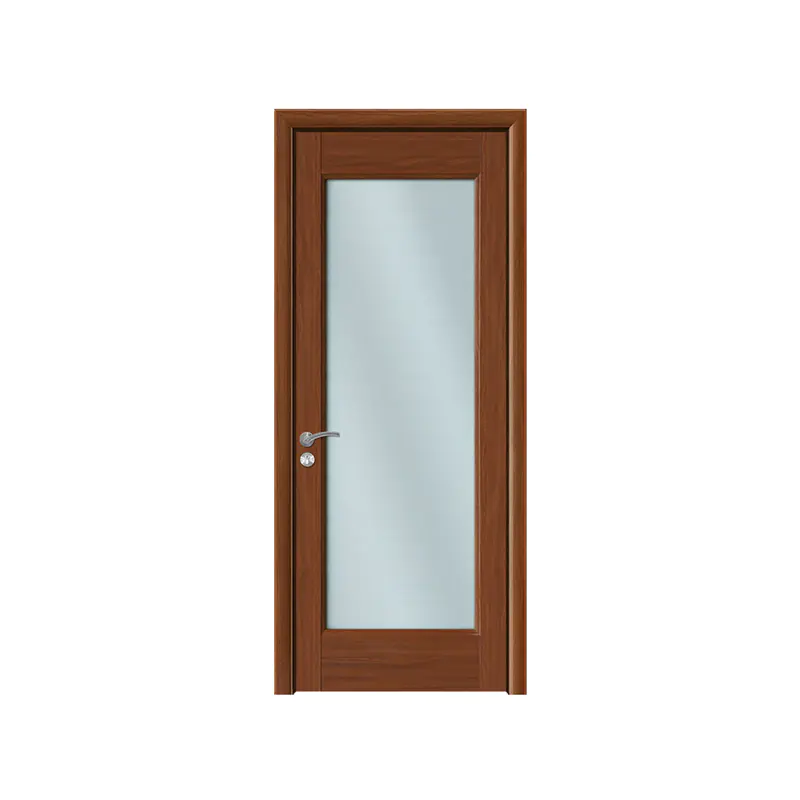
Bathrooms deal with moisture, daily wear, and a constant need to look presentable, which makes door selection a little trickier than picking one for a bedroom or hallway. As renovation habits have shifted toward matching every room to a consistent look, door design has had to keep pace with that expectation.
Why Bathroom Door Expectations Have Shifted
Homes used to treat the bathroom as a separate, purely functional space, disconnected from the rest of the house's decorating scheme. That's changed as open layouts and coordinated interiors have become more common.
| What's Changed | How Door Design Has Responded |
|---|---|
| Homeowners want a consistent look room to room | More finish and style options for bathroom doors |
| Daily use puts real wear on a bathroom door | Designs built around practical, everyday durability |
| Cleaning routines need to stay simple | Surfaces that wipe down easily without special care |
| Renovation projects need flexibility | A wider range of styles to fit different plans |
A homeowner updating a bathroom to match a recently renovated kitchen, for instance, wants the door style to feel like part of the same decision, not something left over from a decade earlier that clashes with everything else.
What Actually Goes Into an MDF Bathroom Door
An MDF door for bathroom use starts with medium-density fiberboard as its core structure, then gets finished in a way that suits both appearance and daily bathroom conditions. That fiberboard surface stays smooth and consistent, which gives finishers a lot of room to work with when it comes to color and texture.
| Part of the Door | What It Does |
|---|---|
| Door panel | Forms the main body and structure |
| Surface finish | Adds appearance and helps protect the panel |
| Edge detailing | Shapes the overall visual style |
| Hardware prep | Sets up the door for handles and hinges during installation |
A contractor installing doors across several bathrooms in the same renovation project appreciates how consistently these panels come out, since matching finish and style across multiple rooms becomes far simpler with a manufactured product built to a repeatable standard.
Why Homeowners Keep Reaching for MDF Doors
Renovation decisions usually come down to balancing how something looks against how much hassle it adds to the project. MDF doors tend to land in a comfortable middle ground on that trade-off.
Reasons that keep coming up:
- A wide range of style options that fit different renovation plans
- A smooth surface that takes finishes and colors cleanly
- Compatibility with the kind of interiors people are building today
- Installation that doesn't require unusual tools or specialized labor
A homeowner working with a limited renovation budget often picks MDF specifically because it delivers a finished look that matches pricier materials without pushing the whole project over budget.
How These Doors Tie Into Broader Bathroom Design
Bathrooms used to get decorated as their own separate project, disconnected from whatever style ran through the rest of the house. That's shifted as more homeowners aim for a look that flows from room to room without an obvious break in style.
| Design Choice | What It Adds Visually |
|---|---|
| Clean, flat panel styles | A contemporary, uncluttered look |
| Decorative surface finishes | Better alignment with the rest of the home's style |
| A range of color options | Room to match existing walls, tile, or fixtures |
| Simple, minimal detailing | A calmer, less busy visual feel |
A homeowner working with a neutral, modern palette throughout their home often picks a flat-panel MDF door specifically because it avoids the ornate detailing that would clash with the rest of that simpler aesthetic.
How the Material Itself Affects Daily Living
What a door is made from shapes more than just how it looks on installation day. It affects how the door holds up, how easy it is to clean, and how well it fits into the rest of the room over time.
MDF as a material tends to influence:
- How consistently the surface finish holds up over years of use
- How simple daily cleaning and wipe-downs turn out to be
- How well the door coordinates with surrounding fixtures and colors
- How long the door continues looking presentable before needing attention
A family bathroom that gets used constantly throughout the day benefits from a door surface that wipes clean easily after the inevitable water splashes and fingerprints that come with daily use.
Why Customization Keeps Growing in Importance
No two renovation projects look exactly alike. A century-old home getting a bathroom refresh calls for a different door style than a newly built condo aiming for a minimalist look.
| Customization Option | What It's For |
|---|---|
| Surface finish choice | Matching the door to the room's existing decoration |
| Panel style | Shaping the overall visual effect, from simple to detailed |
| Color selection | Coordinating with walls, tile, and fixtures already in place |
| Decorative detailing | Reflecting whatever personal style the homeowner is going for |
A designer working on a traditional-style home renovation might choose a paneled door with more visual detail, while a client updating a minimalist apartment picks something closer to a plain, flat surface, both drawing from the same underlying MDF construction.
How These Doors Adapt Across Different Home Styles
A door style that works beautifully in one home might feel completely out of place in another, which is why manufacturers have leaned into producing MDF doors that flex across several different aesthetic directions.
| Home Style | Door Look That Tends to Fit |
|---|---|
| Modern | Flat, simple panels without much extra detail |
| Contemporary | Clean lines with subtle decorative touches |
| Traditional | Classic paneling with more defined structure |
| Minimalist | Smooth, understated surfaces with little ornamentation |
A homeowner blending a mostly modern home with one or two traditionally styled rooms can still find an MDF door that fits each space appropriately, without needing to source doors from entirely different suppliers or material types.
What Actually Matters When Choosing a Bathroom Door
Picking a bathroom door involves more than just liking how it looks in a showroom. The way it fits into daily life and the rest of the renovation plan matters just as much.
| What to Think About | Why It Matters |
|---|---|
| Overall interior style | Keeps the door visually consistent with the rest of the home |
| Installation requirements | Affects how smoothly the renovation timeline actually goes |
| Surface finish | Shapes how much upkeep the door will realistically need |
| Everyday use patterns | Influences how satisfied the household stays with the choice long-term |
A homeowner renovating a bathroom used by young children, for example, might lean toward a more durable, easy-to-clean finish rather than a delicate decorative surface that shows every scuff and handprint.
How Manufacturers Are Adjusting to Renovation Trends
People renovating today generally expect more than a door that simply closes and locks. They want something that contributes to the room's overall feel while still holding up to daily use without constant upkeep.
Current development tends to focus on:
- Expanding the range of decorative finish options available
- Leaning into cleaner, more contemporary panel styles
- Improving how well these doors fit into modern interior layouts
- Building more flexibility into product lines for varied renovation needs
A manufacturer expanding their finish catalog to include more muted, neutral tones is responding directly to how many recent renovations have leaned toward simpler, more understated color palettes throughout the home.
How These Doors Support Longer-Term Renovation Planning
A growing number of homeowners are thinking beyond the immediate renovation, considering how well their choices will hold up as their own tastes or broader design trends shift over the following several years.
MDF doors support that kind of planning by offering:
- Enough design flexibility to stay relevant as interior trends shift
- A practical foundation that doesn't demand frequent replacement
- Reduced waste tied to unnecessary swapping of materials
- Room to update finishes without replacing the entire door structure
A homeowner who repaints or refinishes an MDF door years down the line, rather than tearing it out and replacing it entirely, gets more mileage out of that original investment while still keeping the room feeling current.
Where MDF Bathroom Doors Fit Into What's Next
Bathroom renovations keep moving toward spaces that feel just as considered and connected to the rest of the home as any other room. MDF Doors for Bathroom fit naturally into that shift, offering homeowners a practical way to update a detail that used to get overlooked, without adding unnecessary complexity or cost to the broader renovation.
As people continue leaning toward homes that feel consistent from room to room, this kind of flexible, easy-to-finish door will likely keep showing up in renovation plans — not as the flashiest part of the project, but as one more piece that quietly helps the whole space come together the way homeowners actually pictured it.
Interested in cooperation or have questions?


 +86-13857003056
 No. 27 Lianhuashan Avenue, Jiangshan Economic Development, Jiangshan, Quzhou, Zhejiang, China
Copyright © Zhejiang Kings Home Decor Co., Ltd. All Rights Reserved.

Interior Wood Door Manufacturer