

 English
 русский
 Français
 Español
 عربى
عربىHow MDF PVC Material Supports Bathroom Door Durability
That bathroom door problem you're dealing with—the warping, the peeling paint, the constant maintenance headaches—it doesn't have to be this way. Property owners and contractors keep running into the same issue. Water gets everywhere in bathrooms. Not just from direct water spray, but from the constant humidity that builds up during showers. Traditional wooden doors absorb all that moisture like a sponge. Within a few years they're warped beyond repair, swelling and shrinking with humidity cycles until nothing seals properly anymore. Then you're replacing them. Solutions exist though. Interior doors made with MDF PVC Doors technology actually solve this problem at its source by fundamentally changing how the material interacts with moisture.
Why Bathrooms Are Brutal on Regular Wooden Doors
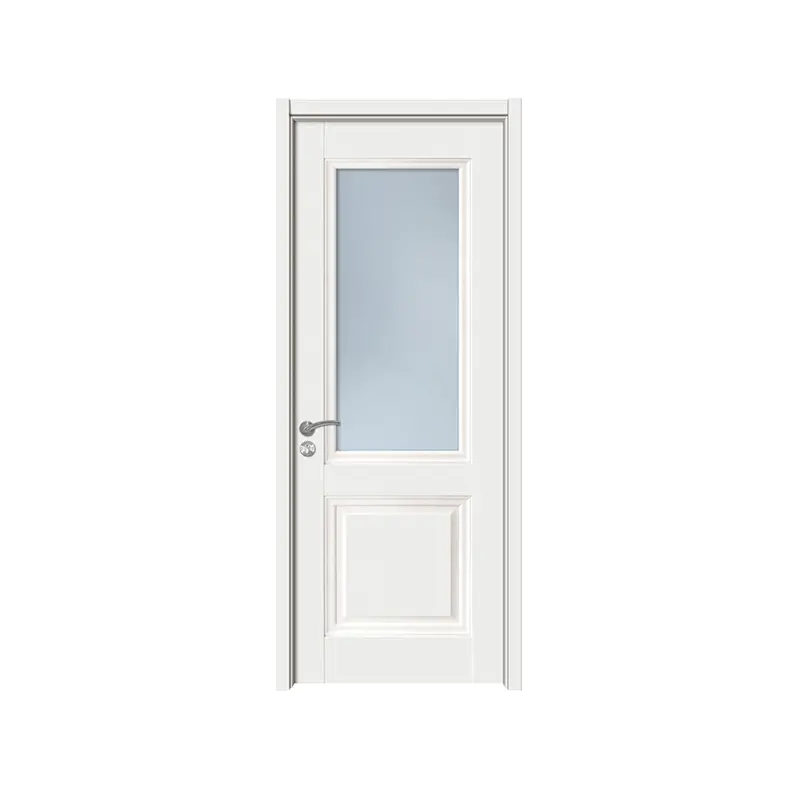
The Moisture Problem Is Relentless
Honestly, bathrooms present a hostile environment for wood. That bathroom exhaust fan? Helps, but doesn't prevent the issue entirely. Moisture migrates everywhere regardless:
- Water vapor settles into walls, around frames, inside the door itself
- Wood fibers absorb moisture naturally—that's just how wood works
- One side of the door absorbs more moisture than the other side
- This uneven absorption creates stress that cracks joints and finishes
- Mold starts growing in the damp pockets trapped inside
Once it starts, it accelerates. A crack in the paint lets more moisture in. The wood keeps expanding and contracting. Hinges corrode. The frame swells. Suddenly that five-year-old bathroom door is buckling and your guests are uncomfortable using it. You're faced with replacement much sooner than anticipated.
Why Better Finishing Doesn't Actually Fix This
You might think higher quality paint would help. It doesn't. At least, not enough to matter:
- Surface finishes only address surface problems, not the core issue
- Moisture still penetrates through edges, around hinges, at frame joints
- The wood underneath keeps absorbing water regardless of what's on top
- Paint eventually cracks from expansion and contraction stress
- The problem is the wood itself, not the protection sitting on it
This is material science. Wood is hygroscopic—it absorbs and releases moisture naturally. You can't coat that behavior away. Trying to waterproof solid wood is fighting the material's fundamental nature. Better to acknowledge this and choose something that actually handles moisture environments.
How MDF PVC Actually Prevents the Problem
The Engineered Core Changes Everything
MDF starts as wood but becomes something entirely different through manufacturing. The process removes the vulnerabilities that plague solid wood:
- Raw wood fibers get ground into particles
- These particles compress under pressure with adhesive
- The manufacturing process removes air pockets where moisture hides
- What results is consistent density throughout—no grain patterns causing trouble
- This uniform density means predictable behavior in humid conditions
It's about control. Nature creates unpredictable wood with varying grain density and moisture response. Manufacturing creates consistent material suited to specific applications. In bathrooms, that consistency matters enormously because it eliminates the swelling and warping that plague natural wood.
PVC Coating—The Protective Layer That Actually Works
Then comes the plastic coating bonded directly to the surface. This isn't paint sitting on top. It's fused material creating one system:
- PVC bonds chemically to the engineered core
- Moisture cannot penetrate through plastic
- The coating flexes slightly as temperature changes occur
- This flexibility prevents cracking that rigid coatings develop
- No water reaches the vulnerable core material underneath
Think about it differently. Instead of trying to waterproof wood (fighting nature), you're creating a structure where the core material handles moisture exposure and the surface barrier prevents infiltration. Two solutions working together accomplish what neither could alone.
Why These Doors Actually Work in Bathrooms
Warping Simply Doesn't Happen
When humidity hits a bathroom, the behavior differs fundamentally. The engineered core stays stable:
- Moisture doesn't cause uneven swelling across the door
- The door maintains its fit in the frame through humidity cycles
- No binding or sticking develops from expansion
- Hinges don't experience stress from movement
- Door seals keep working year after year
This seems like a small advantage until you're living with it. Regular doors start developing character—bad character. They get harder to close. They scrape the frame. You end up wedging something under them to keep them from swinging open. With these engineered solutions? They just work. Consistently. Quietly. Reliably.
Mold Doesn't Grow on the Surface
Here's something that catches people off guard. Mold can't penetrate PVC. It needs moisture and organic material to survive:
- The coating blocks moisture completely
- The core, protected from moisture, offers no food source for mold
- Surface stays clean without special treatment
- Guest bathrooms don't develop that musty, moldy look
In commercial applications, this matters more than it seems. Traditional wooden doors develop visible growth over time. Engineered solutions stay fresh. You're not just preventing damage—you're preventing the biological problems that make bathrooms unsanitary.
Maintenance Is Actually Minimal
This sounds like marketing speak until you experience it. These doors don't demand ongoing attention:
- Wipe them down with a damp cloth during regular cleaning
- No refinishing, no repainting, no special treatments
- Hinges occasionally need a bit of oil
- That's legitimately it
Compare that to what wooden bathroom doors require. Refinishing every few years. Watching for water damage. Managing peeling paint. It never ends. With engineered solutions, maintenance becomes a non-issue.
| What Happens | Solid Wood Doors | MDF PVC Solutions | What It Means |
|---|---|---|---|
| Moisture swelling | Regular problem | Stays stable | Doors work properly |
| Mold growth | Shows up over time | Resistant coating | Cleaner bathrooms |
| Paint and finish | Needs periodic work | Requires minimal care | Less upkeep |
| Hardware rust | Common issue | Protected | Smooth operation |
| Lifespan in bathrooms | Maybe 5-7 years | Often 15+ years | Fewer replacements |
| Ongoing maintenance | Regular attention | Basically none | Time and money saved |
Different Applications, Different Benefits
Homes—Where People Actually Live
Homeowners don't want to think about doors. They want them to function:
- Guest bathrooms stay looking good without constant work
- Master baths handle heavy use and frequent showers
- Kids' bathrooms survive multiple showers daily without deteriorating
- Rental properties reduce liability and maintenance headaches
- Home value increases when bathrooms have quality, durable fixtures
People value simplicity. Install quality doors and forget about them. That's the experience these solutions deliver.
Hotels—Where Reliability Matters Daily
Commercial hospitality creates demanding conditions that test materials:
- Guest rooms see continuous occupancy with constant showers
- Cleaning staff applies water and chemicals every single day
- Brand reputation depends on consistent appearance across all rooms
- Maintenance budgets can't absorb frequent door failures
- Warranty claims reduce when materials perform as promised
Hotels calculate everything in terms of ROI. Doors that eliminate maintenance problems save money directly. Managers focus on guest experience instead of managing door failures constantly.
Apartment Buildings—Portfolio Management
Developers managing hundreds or thousands of units think differently:
- Consistency across units matters for brand reputation
- Maintenance callbacks and warranty claims affect margins
- Tenant satisfaction correlates with quality fixtures and functionality
- Water damage liability decreases significantly
- Building reputation improves when fixtures work reliably
Competitive markets reward quality. Reputation for durable, low-maintenance fixtures attracts tenants. Buildings known for this reputation command respect and stronger leasing rates.
Comparing Your Options—The Real Story
Solid Wood Limitations—They're Physics, Not Quality
High-quality wood faces identical challenges to cheap wood in humid environments:
- Wood absorbs moisture through grain structure—period
- Surface finishes degrade under constant humidity exposure
- Material movement occurs throughout the service life
- Refinishing becomes necessary periodically just to function acceptably
- Core material eventually fails as moisture penetration deepens
Understanding this prevents wasting money on expensive wood thinking it performs differently. The problem isn't craftsmanship. It's the material itself. Accepting this reality guides better decisions about where wood makes sense and where alternatives become necessary.
Hollow-Core Construction—Looks Good, Performs Poorly
Some options reduce costs by using hollow cores. Don't fall for this:
- Lightweight construction feels cheap and performs poorly
- Hollow cavities trap moisture creating hidden deterioration
- Impact resistance suffers from the lightweight structure
- Sound transmission increases noticeably
- Durability in demanding applications disappoints
These cost less initially. They also disappoint faster. In bathrooms, invest appropriately in materials suited to the application.
Other Plastic Composites—Different Trade-offs
Alternative options exist but involve different compromises:
- Some feel less authentic aesthetically and tactilely
- All-plastic construction eliminates natural appearance benefits
- Cost varies significantly between different material types
- Performance advantages differ depending on specific composition
- Aesthetic flexibility might get limited
MDF PVC balances multiple factors—engineered stability, natural appearance, moisture protection, reasonable cost, aesthetic versatility. No material optimizes everything equally. Knowing your priorities guides appropriate selection.
What Actually Happens During Maintenance
Daily Care—Almost Nothing
These doors don't create maintenance burdens:
- Wipe with a damp cloth during regular bathroom cleaning
- Basic household cleaner works fine for tough spots
- No special products or protective techniques needed
- Drying happens naturally
- Surface stays attractive with ordinary care
It's the simplicity that stands out. You're not managing anything. It just happens as part of normal bathroom cleaning.
Over Time—Occasional Attention Only
Years of service rarely create problems:
- Hardware occasionally needs lubrication
- Seals around frames rarely require caulking replacement
- Surface scratches respond to touch-up compounds if appearance matters
- Door alignment stays consistent through humidity cycles
- Structural failure simply doesn't occur
The engineered approach means problems, when they appear, tend toward surface issues rather than structural failure. A scratch gets repaired. Core deterioration ends things. Engineered construction keeps problems manageable.
Technical Details That Actually Influence Real Performance
What Specifications Mean in Practice
Material details translate into functional outcomes you'll experience:
- Thicker PVC coating means better protection against impact and moisture
- Core density relates to structural integrity under stress
- Edge sealing prevents moisture from accessing vulnerable connection points
- Surface texture affects cleanability and aesthetic perception
- Hardware quality influences smooth operation and longevity
Understanding these connections between specification and performance guides intelligent decisions. Thicker coatings provide additional protection against damage. Higher density cores resist warping under stress. Complete edge sealing blocks common moisture infiltration pathways.
Not All Bathrooms Are Created Equal
Different contexts have different needs:
- Guest bathrooms tolerate different priorities than master baths
- Wet areas near showers need strong moisture protection
- Hallway bathrooms present different requirements than ensuite setups
- Spa facilities or pools create substantial moisture condition
- Commercial kitchens involve different challenges entirely
Honest assessment of your situation—moisture exposure, traffic intensity, aesthetic requirements, maintenance capacity—guides appropriate selection. Specification mismatches create disappointing results.
The Financial Reality
True Cost Accounting Reveals the Real Picture
Purchase price tells only part of the story:
- Installation labor typically remains similar regardless of material type
- Maintenance costs differ dramatically between options over time
- Replacement intervals affect lifecycle calculations substantially
- In commercial applications, downtime costs add hidden expenses
- Property value and rental rates correlate with fixture quality
A material costing more initially but requiring no maintenance for decades often provides greater value compared to cheaper alternatives requiring periodic refinishing or replacement. Calculate what you actually spend on maintenance and replacement cycles over time.
Business Benefits Beyond the Spreadsheet
Material choices address practical business concerns:
- Moisture damage liability decreases with proven material performance
- Warranty and product reliability reduce unexpected failure costs
- Maintenance predictability enables budget planning across properties
- Consistent performance across multiple units simplifies management
- Brand reputation improves with high-quality, durable installations
These business benefits don't appear in spreadsheets easily, but they affect operations substantially. Properties built on reputation for quality perform better. Material selections supporting this reputation provide value exceeding their apparent cost difference.
Bathroom environments demand materials that handle moisture, maintain appearance, deliver durability, and minimize maintenance—a combination that traditionally created genuine challenges. Understanding how engineered door systems address these requirements simultaneously enables better decisions delivering both immediate satisfaction and long-term value. The approach behind moisture-resistant construction—combining engineered core stability with protective surface coatings—represents advancement beyond approaches relying solely on surface treatment. Whether you're managing residential renovation, hospitality properties, or multi-unit residential construction, these solutions deliver protection and reliability that bathroom environments require. Evaluating your specific project requirements against material characteristics ensures appropriate selection. Zhejiang Kings Home Decor Co., Ltd. brings practical experience in engineered door solutions for humid environments, providing technical guidance and reliable products supporting bathroom renovation success across residential and commercial applications. Contact them to discuss your project needs and determine appropriate specifications.
Interested in cooperation or have questions?


 +86-13857003056
 No. 27 Lianhuashan Avenue, Jiangshan Economic Development, Jiangshan, Quzhou, Zhejiang, China
Copyright © Zhejiang Kings Home Decor Co., Ltd. All Rights Reserved.

Interior Wood Door Manufacturer