

 English
 русский
 Français
 Español
 عربى
عربىMDF PVC Doors for Solving Moisture Damage Problems
Homeowners and contractors often watch interior doors begin to swell or catch in their frames as humidity climbs in everyday rooms. Gaps form around the edges and the once smooth surfaces start looking uneven after repeated exposure. These changes turn into daily annoyances that affect both function and the feel of the space. MDF PVC Door versions tackle the issue with a covering layer that keeps moisture from reaching deep into the material.
Moisture Damage Appears in Common Interior Settings
Bathrooms tend to show the effects quickly because steam lingers after every shower. Kitchens face similar vapor from cooking that builds up over time. The material reacts and shifts shape in ways that make doors rub or leave awkward spaces.
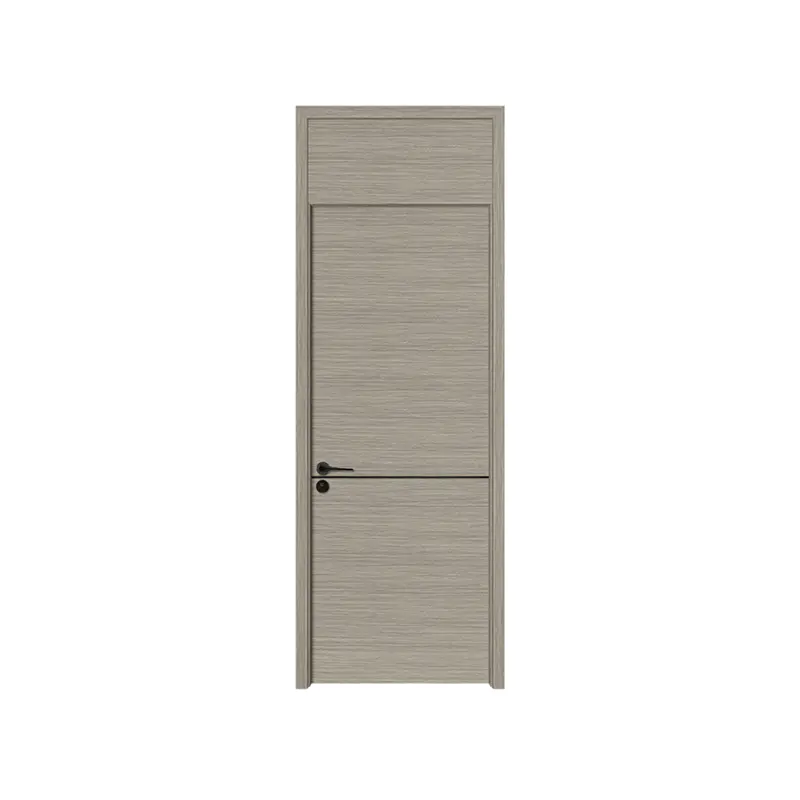
In apartments sitting in humid parts of the country the pattern repeats season after season. You might notice it more during rainy months when indoor air stays heavier. Without something in place to push back the doors call for fixes sooner than they should.
What Causes MDF to React to Humidity?
Standard MDF holds together with fibers that pull in water vapor without much resistance. One side might soak up more than the other during humid spells and the whole piece twists out of line. Surfaces can lift or show small bubbles where the moisture sits too long.
This behavior sits behind many sticking doors in older homes. The open structure simply lets air moisture in and the dimensions change as a result. Once it starts the problem tends to grow unless the material gets protection.
PVC Layer Forms a Protective Barrier
The PVC film wraps the core and stops vapor from finding its way inside. It creates a shield that handles room air without letting the fibers react much. Edges receive extra sealing so the vulnerable spots do not become entry points.
The same layer handles light knocks from furniture or passing people. A damp cloth usually brings the surface back to normal. The whole setup feels reliable in spaces that see regular activity.
How Does the Lamination Process Contribute?
Production bonds the film using heat and pressure so it sits tight without bubbles underneath. Adhesives lock everything together while edge work closes the sides completely. The result stands up better when indoor conditions shift from dry to damp.
Installers often mention smoother projects because adjustments stay minimal after fitting. You see the benefit clearly when summer humidity hits and the doors continue to close properly. The process changes how the base material behaves in real conditions.
Performance in Humid Environments
These doors manage bathroom air without direct water hitting them. Kitchens work well when the covering limits steam absorption during meal preparation. Places near the coast or in warmer climates keep their shape longer than basic versions.
Office areas use them across floors and see consistent results day after day. The material fits both home refreshes and smaller commercial jobs. Room differences do not force early swaps.
Comparing Door Types for Moisture Resistance
| Door Type | Moisture Handling | Cost Range | Durability Level |
|---|---|---|---|
| MDF PVC Door | Strong barrier effect | Moderate | Steady in humidity |
| Solid Wood Door | Variable response | Higher | Depends on finish |
| Basic MDF Door | Limited protection | Lower | Prone to swelling |
Each type brings different tradeoffs when humidity enters the picture. The table makes it easier to weigh options against room needs and available budgets.
Surface Protection Against Daily Wear
The covering guards against scrapes from kids running past or moving boxes during a move. Colors hold their tone without quick dulling. Cleaning stays straightforward with ordinary household supplies.
Fewer touch ups mean the doors keep matching across rooms for longer stretches. Small accidents do not leave permanent reminders. The practical side shows up in daily life more than expected.
Can These Doors Fit Bathroom Applications?
Shower vapor fills these rooms on a regular schedule. MDF PVC doors cope with the general moisture when kept away from direct spray zones. Ventilation still plays its part in keeping things balanced.
Edge sealing becomes important here because water finds any opening. Hardware choices should line up with the door weight and resistance. Plenty of projects use them in guest bathrooms without trouble.
Kitchen Settings and Steam Exposure
Meal preparation sends moisture into the air multiple times each day. Doors close to the stove area face those cycles repeatedly. The film keeps much of it from affecting the inner structure.
Range hoods and fans help share the load with the door material. Placing them a bit away from sinks adds another buffer. Layouts from small galleys to open plans both work reasonably well.
Steps for Proper Door Selection and Installation
Note the typical humidity feel in each room. Measure openings carefully before ordering. Look closely at edge details on samples. Pick hinges that support the door evenly. Allow a small gap for any movement. Check operation after hanging everything.
Running through these points avoids surprises later. Lessons from one room often carry over to the next without much extra effort.
Structural Stability Over Time
Covered cores resist dimension changes when air moisture rises and falls. Frames stay straight and gaps remain even around the edges. Operation stays quiet instead of developing squeaks or rubs.
Temperature swings combined with humidity do not stress the doors as much. The layers spread any pressure instead of letting it focus in weak areas. Service needs tend to stay low after the initial setup.
Edge Sealing Techniques in Manufacturing
Extra banding covers the cut sides so they match the protected faces. This addresses spots where moisture usually slips through first. Checks during production look for full closure without thin areas.
Skipping strong edge work shortens useful life even with solid surfaces. The full wrap approach deals with a frequent trouble spot directly. Care at this stage supports performance across different locations.
What Sets MDF PVC Doors Apart From Alternatives?
Solid wood varies according to grain and surface treatment applied. Unprotected MDF shifts quickly when exposed. The laminated style lands in a useful middle area for many situations.
Projects on tighter budgets often lean this direction for the balance it offers. Contractors like the sizing consistency when ordering multiples. The doors slide into various styles without clashing.
Application in Residential Renovations
Updates replace doors already showing moisture wear with these covered versions. They slide into existing frames after small tweaks in many cases. The swap improves how rooms function while freshening the look.
New builds plan them into areas that tend to hold more air moisture. Designers coordinate finishes with the rest of the interior. They become part of the background flow rather than standing out.
Maintenance Practices for Extended Service
Wipe surfaces during regular cleaning to clear dust or prints. Check edges once or twice a year for seal condition. Fix any room leaks before extra vapor reaches the doors.
Everyday care keeps them running smoothly without special supplies. Strong chemicals get set aside to protect the film. The material responds well to normal routines around the house.
Cost Considerations in Material Choice
Sitting in a moderate price spot they compare well against solid wood choices. Features make sense when ordering for several rooms at once. Projects benefit from reliable availability.
Longer intervals between replacements show value over time. Planning teams consider this alongside other material traits. The approach appeals in both home and light commercial decisions.
How Manufacturing Quality Affects Performance
Steady film thickness supports even protection across the door. Bonding strength keeps layers from separating during use. Processes controlling variables help doors meet regular expectations.
Samples give a good sense of finish and edge work. Buyers watch for signs of careful handling. Suppliers keeping uniformity across orders simplify larger purchases.
Indoor Climate Factors to Consider
Air movement through the space influences moisture buildup near doors. Heating and cooling affect overall room conditions too. Doors work as one element within that bigger picture.
Matching material to usual patterns in each area brings steadier outcomes. Watching for changes early prevents small issues from growing. The setup rewards attention to surroundings.
Longevity in Varied Interior Spaces
Apartments with less airflow gain from the resistance built in. Office buildings with central climate control see even behavior. Different use levels do not create big gaps in performance.
Families with active children appreciate the surface toughness. Higher traffic spots hold their appearance through daily wear. Versatility makes them useful across project types.
MDF PVC doors manage moisture challenges by placing a film barrier around a core that would otherwise absorb water easily. They deliver consistent service where humidity creates repeated stress whether from daily kitchen routines or bathroom air. The construction supports reasonable budgets while cutting down on swelling and surface issues and fits into standard installation flows without major complications. Zhejiang Kings Home Decor Co., Ltd. supplies options suited for different interior projects and welcomes inquiries about tailoring solutions to specific space requirements and design preferences.
Interested in cooperation or have questions?


 +86-13857003056
 No. 27 Lianhuashan Avenue, Jiangshan Economic Development, Jiangshan, Quzhou, Zhejiang, China
Copyright © Zhejiang Kings Home Decor Co., Ltd. All Rights Reserved.

Interior Wood Door Manufacturer