

 English
 русский
 Français
 Español
 عربى
عربىWhat Role Do Custom Made Composite Doors Play in Handover
Property handover is genuinely more than the moment when keys get passed to a new owner across a desk. It's also the stage when a large number of details need to appear in the right place, in the right condition, and with enough consistency for each property to get checked without unnecessary confusion, much like a large shipment needs every box labeled correctly before it ever leaves the warehouse.
Doors are part of this process because they remain visible throughout an apartment, residential development, or other property project from the initial walkthrough. When multiple units are delivered together, differences between rooms, floor plans, and door sets can make the acceptance process more difficult for the team involved.
Custom Made Composite Doors can support this process by fitting predefined property layouts and delivery plans set out in advance. Their role isn't limited to the finished appearance of an individual door hanging on a hinge. They can also become part of a wider handover system involving unit grouping, identification, delivery coordination, and post-delivery inspection.
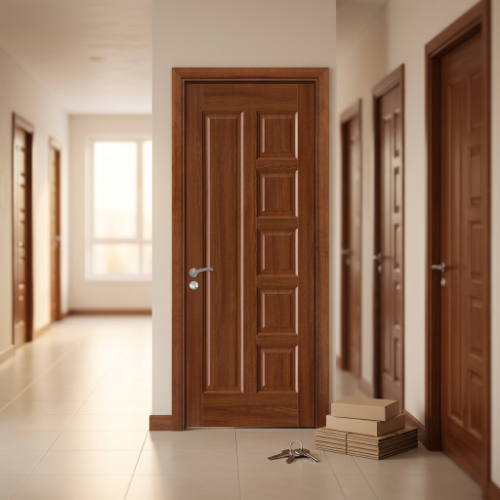
Why Does Door Consistency Matter During Property Handover?
A property project may contain many units that look genuinely similar while still having quite different layouts underneath. One apartment may have an additional room tucked in, another may have a different internal arrangement entirely, and some units may require genuinely different door configurations to match.
When doors arrive in a coordinated system, the handover team can compare each unit against its intended layout genuinely more easily. Consistency makes it simpler to recognize whether the correct door has actually reached the correct property before signing off.
| Handover Area | Door-Related Consideration |
|---|---|
| Apartment layout | Matching doors to room arrangement |
| Unit identification | Connecting products with specific properties |
| Room allocation | Confirming the intended door location |
| Quantity checking | Verifying the delivered set |
| Visual inspection | Checking general condition |
This becomes genuinely more relevant whenever several apartments get handed over around the same period, all competing for the team's attention at once. A clear product structure can reduce unnecessary confusion during the checking process that follows.
How Can Custom Made Composite Doors Fit Different Apartment Types?
Residential projects rarely consist of completely identical homes stacked one after another. Even within one development, there may be genuinely different apartment types with different room arrangements built into the plans.
A compact apartment may need a relatively simple internal door arrangement to match its footprint. A larger family apartment can contain genuinely more bedrooms, storage areas, or private spaces requiring their own doors.
Custom Made Composite Doors can get organized around these different layouts from the planning stage. Instead of treating every property as an identical unit, the door package can correspond with the intended room structure of each type.
| Apartment Type | Possible Door Arrangement |
|---|---|
| Compact apartment | Limited set of internal doors |
| Family apartment | Several bedroom and living-area doors |
| Multi-room apartment | More varied room allocation |
| Duplex-style property | Doors distributed across levels |
| Serviced residence | Combination of private and shared spaces |
This approach can make delivery genuinely easier to organize because products can get grouped according to the property type, rather than handled as unrelated individual pieces scattered across a truck.
What Role Does Standardized Configuration Play in Handover?
Standardization doesn't necessarily mean every property receives exactly the same door hung the same way. It can also mean that similar apartment types follow a genuinely consistent configuration throughout the project.
Properties with the same layout, for example, can follow the same door arrangement from unit to unit. Another apartment type can have its own predefined arrangement running in parallel. This gives the project team a genuinely recognizable reference point to work from during handover.
A standardized configuration may cover door locations within each apartment type, along with product grouping for similar units. Identification of different room applications matters too, alongside packaging organization and handover inspection records.
The value comes from making repeated tasks genuinely easier to understand for whoever is doing the checking. When a team checks several similar properties in a row, a familiar configuration can reduce the need to interpret every unit entirely from scratch.
How Can Bulk Delivery Affect the Handover Process?
Large property projects often involve many products moving through the same delivery process at once. Doors may arrive in groups according to buildings, floors, apartment types, or scheduled handover stages laid out on a calendar.
Bulk delivery therefore creates a genuine organizational challenge for the site team. Products need to remain genuinely identifiable while moving from the delivery point toward their intended properties across the site.
A door that arrives without clear grouping can create additional work later on down the line. Staff may need to determine which unit it actually belongs to before inspection can even continue.
Custom Made Composite Doors can get prepared as part of a grouped delivery structure from the start. The grouping can follow the project's internal organization, rather than treating every product as a separate item requiring individual tracking.
| Delivery Group | Possible Organization Method |
|---|---|
| Building section | Group by property area |
| Floor | Group by floor |
| Apartment type | Group by layout |
| Unit | Group by individual property |
| Room | Group by intended location |
This type of organization can support a genuinely smoother movement from delivery to property inspection, rather than a chaotic scramble at the loading dock.
How Does Unit Identification Support Acceptance Checks?
Property handover depends on genuinely knowing what belongs where before anything gets signed off. A door may look correct sitting on its own, but the inspection team still needs to confirm it actually corresponds with the intended property and room.
Clear identification can help connect the product with its genuine destination on the site. The identification system may relate to the property number, apartment type, room location, or delivery group, depending on how the project gets managed internally.
The goal stays simple at its core: the team should be able to understand exactly where each door belongs, without repeatedly opening unrelated packages or comparing multiple units side by side. This proves particularly useful whenever several properties have genuinely similar layouts. Small differences can become genuinely difficult to track once products get handled in large quantities.
What Can Happen During Post-Delivery Acceptance?
Post-delivery acceptance gives the project team a genuine opportunity to check the condition and completeness of the delivered doors before the property gets handed over to its owner.
The process can involve several straightforward checks worth working through. Start by confirming the required quantity, then check the product identification against the records. Inspect the doors for visible transport damage and compare their configurations with the intended property layout. Confirm that the related components are present, while also recording any issues that require follow-up.
The process doesn't need to be complicated to prove genuinely useful. A clear checking sequence can help teams work through several units, without overlooking basic details along the way.
For Custom Made Composite Doors, the acceptance process can also get connected with the original property configuration set out earlier. This gives the inspection team a genuine reference for comparing what arrived with what was actually planned for each unit.
How Can Different Door Types Fit One Property Delivery Plan?
A property may use genuinely different doors in different areas throughout its layout. Bedrooms, bathrooms, storage rooms, and other spaces may have genuinely different requirements to satisfy.
MDF Doors for Bathroom, for example, may appear within a project that also includes other internal door types installed elsewhere. Their role can get treated as part of the apartment's overall door configuration, rather than as a separate purchasing task handled in isolation.
This makes product grouping genuinely useful during handover. The team can identify the doors associated with each room and compare them against the property layout laid out in the plans.
A project may also involve a Wholesale MDF Door supply structure whenever several units require genuinely similar door products. The important consideration during handover stays how these products get grouped and tracked across the properties involved.
| Door Category | Handover Focus |
|---|---|
| Bedroom door | Correct room allocation |
| Bathroom door | Correct property and room position |
| Storage door | Matching the planned layout |
| Shared-area door | Correct building or unit allocation |
The focus remains on delivery coordination and acceptance, rather than on the material characteristics of the doors themselves.
Can Standardized Door Packages Help Different Apartment Configurations?
A standardized door package can provide a genuinely practical reference for repeated property types across a development. When several apartments share a genuinely similar layout, the project team can work from a familiar configuration, rather than reinventing the checklist each time.
This can make it genuinely easier to prepare delivery groups before the products ever reach the property. It can also help inspection teams know exactly what they should expect to find inside each unit.
A smaller apartment package, for example, may contain one configuration, while a larger apartment package may contain another entirely. Both can follow the same organizational principle underneath, even though the details differ.
This approach helps create genuine consistency, without requiring every apartment to have identical features baked in. It also allows the project team to handle variations, without turning every single unit into a completely separate delivery case to manage.
How Can Property Handover Teams Handle Delivery Differences?
Not every delivery proceeds exactly as planned on the calendar. Products may arrive at genuinely different times, properties may be ready at different stages, or a particular unit may require additional checking beyond the norm.
A flexible organization system can make these differences genuinely easier to manage on the ground. If doors get grouped according to building, floor, apartment type, and unit, the team can identify which part of the project is affected whenever a delivery changes unexpectedly. This proves particularly useful whenever several handover stages overlap on a tight schedule.
| Situation | Useful Organizational Response |
|---|---|
| Partial delivery | Record received units separately |
| Different apartment types | Maintain separate configurations |
| Delayed property | Hold its products as a defined group |
| Additional inspection | Mark the affected unit clearly |
| Replacement item | Connect the item with the relevant property |
Clear records can reduce the risk of mixing products from different units during a genuinely busy delivery period on site.
What Role Can Safestyle Composite Doors Play in a Delivery Structure?
Safestyle Composite Doors can get considered within a property delivery structure where door packages need to correspond with different residential configurations laid out across a project.
The key issue during handover isn't simply the individual door hanging in its frame. The product needs to remain genuinely connected with the correct property, room, and delivery group throughout the entire process, from truck to final walkthrough.
This can prove particularly important whenever a project contains several genuinely similar apartments side by side. If products look visually similar to one another, organized identification becomes genuinely more useful for the team sorting through them.
A project team can therefore consider how the door products get grouped before delivery, how they get identified once received on site, and how they get matched against the property layout during acceptance checks.
This creates a genuinely clearer connection between the delivered product and the property it's actually intended to serve.
How Can Bulk Property Projects Reduce Confusion During Handover?
Large projects can generate a genuinely large amount of repetitive checking across many units. When many apartments have genuinely similar layouts, staff may need to inspect similar door arrangements repeatedly throughout the day.
A clear configuration system can make this process genuinely more manageable for everyone involved. The project team can establish a reference for each apartment type and use it consistently when checking individual units. Products can then get grouped around these references, rather than handled without a defined structure to guide the work.
This approach also helps different teams communicate genuinely more clearly with one another. The delivery team, site staff, and acceptance team can all refer to the same unit and configuration information, rather than working from separate notes. The benefit comes from shared organization, rather than from adding complexity to the products themselves.
How Can Door Delivery Support a Smoother Handover Experience?
The handover experience is shaped by many small details that come together. Doors are only one part of the property, but their visibility means missing, misplaced, or damaged products can become noticeable during inspection, especially when a buyer walks through the property for the initial time.
A coordinated delivery structure can help the project team identify issues genuinely earlier, before they become bigger problems at handover. For Custom Made Composite Doors, this may involve organizing products by apartment type, linking packages with individual units, and maintaining clear records throughout delivery and acceptance.
A Wholesale MDF Door arrangement can follow a genuinely similar structure whenever several properties require related products across a project. MDF Doors for Bathroom can also get included within the same property-based configuration whenever they form part of the planned internal door package for that unit.
What Should Be Checked Before a Property Is Handed Over?
The final inspection stage can bring together information from delivery and property records into one coherent picture. The team can compare the actual property with its intended door configuration and identify anything that genuinely needs attention before the keys change hands.
A practical check may cover door quantity within the unit alongside correct room allocation. General visible condition matters too, along with product identification against the records on file. Presence of associated components rounds out one part of the check, alongside consistency with the planned apartment configuration overall.
The purpose isn't creating a genuinely complicated inspection process for its own sake. It's making sure the property can get reviewed using information that stays easy to understand for whoever picks up the file.
When door packages have been organized throughout delivery, these checks can become genuinely easier to carry out at the final stage. The same structure used to prepare the products can also support acceptance work later on.
How Can Custom Made Composite Doors Support Multiple Property Handover Stages?
Property projects are often handed over in groups, rather than all at once on a single day. Different buildings, floors, or apartment types may reach the acceptance stage at genuinely different times throughout a rollout.
A door delivery system that follows these groupings can adapt to that workflow without much friction. Products can get prepared for specific sections while other areas remain genuinely in progress elsewhere on the site.
This gives Custom Made Composite Doors a role extending well beyond the individual apartment they're installed in. Their value can also get connected with how the products move through the project, how units get identified along the way, and how acceptance teams check completed properties as they come online.
When Safestyle Composite Doors, Wholesale MDF Door products, or MDF Doors for Bathroom get included in a larger property package, keeping each product genuinely connected to its intended unit and room can help maintain a genuinely clearer handover process from start to finish.
Interested in cooperation or have questions?


 +86-13857003056
 No. 27 Lianhuashan Avenue, Jiangshan Economic Development, Jiangshan, Quzhou, Zhejiang, China
Copyright © Zhejiang Kings Home Decor Co., Ltd. All Rights Reserved.

Interior Wood Door Manufacturer